

Bakom Chief Syahganda to DPR: I Might Be Replaced in a Month for Being Incompetent
-
News
-
2 minutes ago
Writer
This article was translated by AI. Read the original article on Kompas.com. See Original
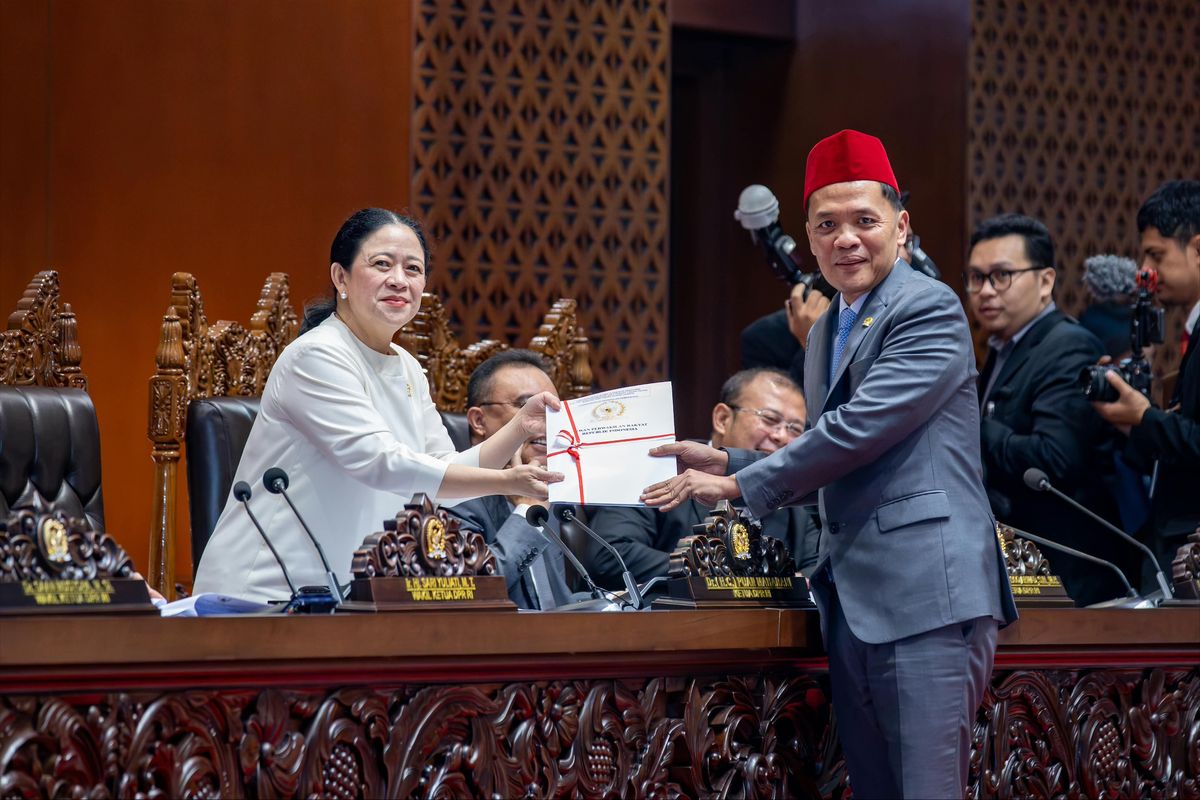
JAKARTA, KOMPAS.com - Corruption perpetrators who flee or have passed away can now have their assets confiscated by the state.
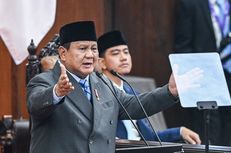
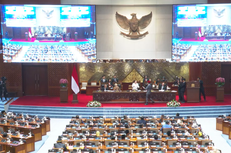
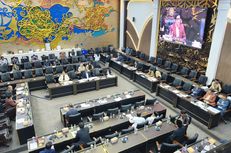
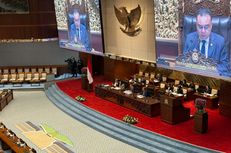
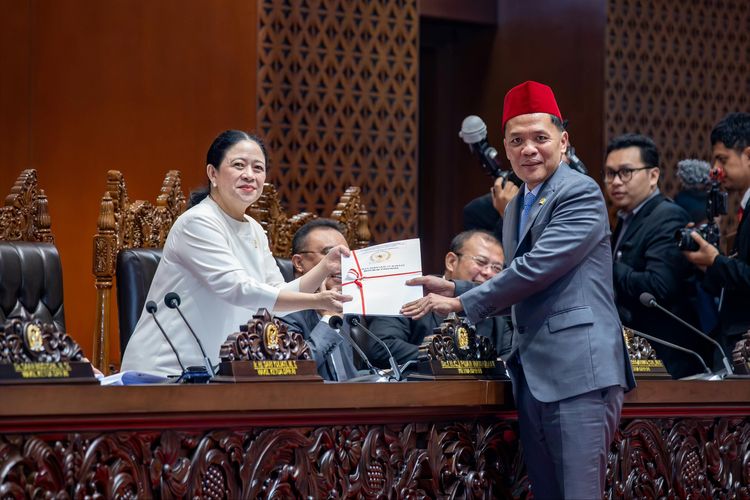
This new regulation is outlined in Article 6 of the Asset Forfeiture Law, which was passed by the Indonesian House of Representatives (DPR RI) during a plenary session on Thursday (19/11/2026).
"Asset confiscation without a criminal conviction against perpetrators as mentioned in Article 3 letter b shall apply to: a. suspects or defendants who have passed away; suspects or defendants who have fled; suspects or defendants who are permanently ill; offenders who are unidentified; or offenders whose whereabouts are unknown," states Article 6, paragraph 1 of the Asset Forfeiture Law accessed from dpr.go.id on Thursday.
Paragraph 2 emphasizes that asset confiscation without a criminal conviction should meet the criteria of assets valued at no less than Rp 1 billion.
However, it was clarified that the minimum asset value may change according to government regulations.
Article 7 states that assets seized without a criminal conviction does not absolve the perpetrator of criminal responsibility.
Here is the text of Articles 6 and 7 of the Asset Forfeiture Law:
(1) Asset confiscation without a criminal conviction against perpetrators of criminal acts as referred to in Article 3 letter b shall apply to:
a. suspects or defendants who have passed away;
b. suspects or defendants who have fled;
c. suspects or defendants who are permanently ill;
d. unidentified offenders; or
e. offenders whose whereabouts are unknown.
(2) Asset confiscation without a criminal conviction against perpetrators of criminal acts must also meet the criteria of assets valued at least Rp 1,000,000,000.00 (one billion rupiah).
(3) Should there be any changes to the minimum asset value as referred to in paragraph (2), the changes will be regulated by government regulations.