

Who Manages Assets Seized from Criminal Activities Under the Asset Forfeiture Law?
-
News
-
Just now
Writer
This article was translated by AI. Read the original article on Kompas.com. See Original
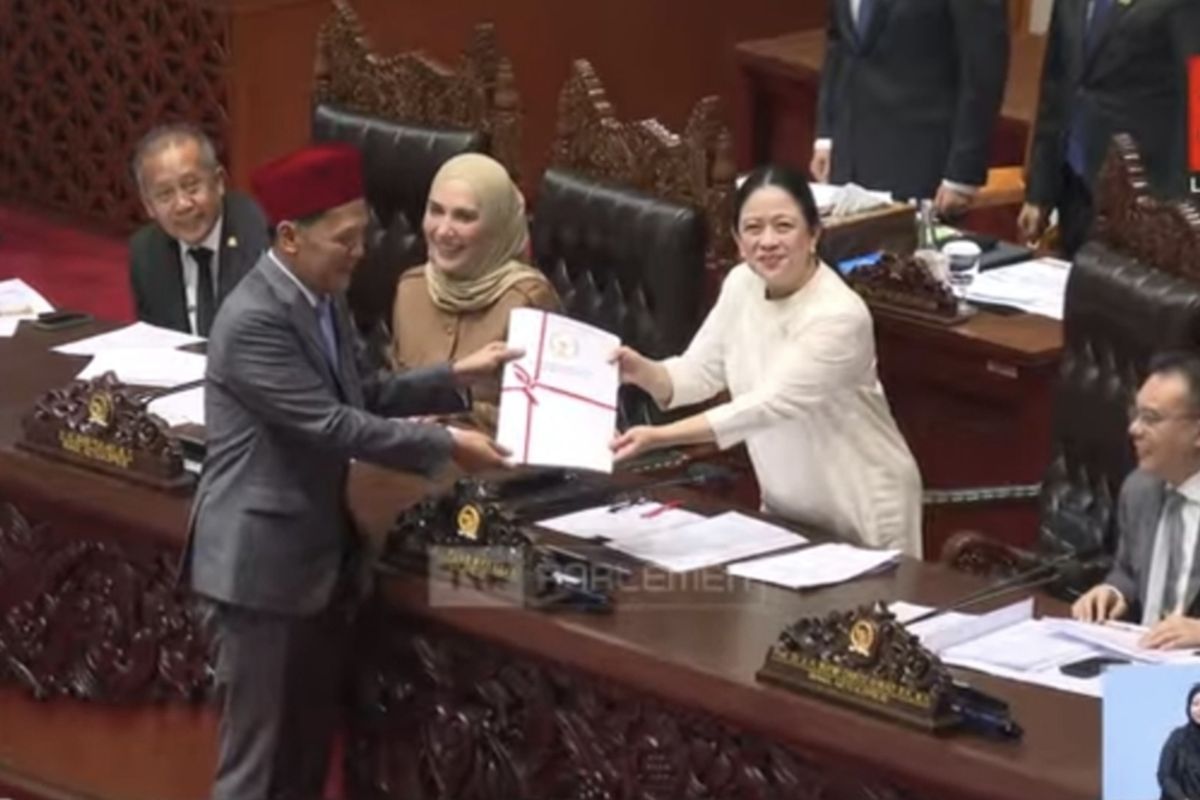
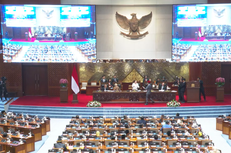
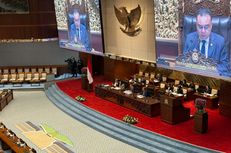
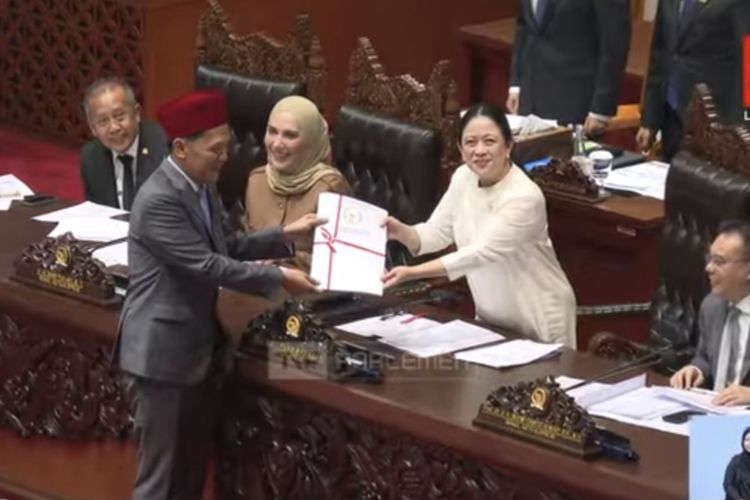
JAKARTA, KOMPAS.com - The Asset Forfeiture Law passed by the Indonesian House of Representatives during a plenary session on Thursday (19/11/2026) regulates the management of assets obtained from corruption and six other criminal acts.
Chapter V on Asset Management, Article 53, Paragraph 1 of the law states that the management of assets seized from criminal activities will be carried out by an agency established by the President.
Paragraph 2 of the same article emphasizes that asset management must be conducted in an open and transparent manner.
Further regulations regarding the asset management agency will be governed by subordinate Presidential Regulations.
The responsibilities of the asset manager are divided into two phases: before and after a legally binding court decision.
Before a court ruling, asset management involves storage, security, maintenance, and valuation of the seized assets.
Once a final court decision is issued, asset management duties include development, utilization, sale through auctions or otherwise, and returning criminal assets to the state.
Technical provisions for managing seized assets, including security, auctions, and returns, are detailed in Articles 56-59 of the Asset Forfeiture Law.
Seven specific crimes are eligible for asset forfeiture as outlined in Article 4, Paragraph 3 of the Asset Forfeiture Law:
These crimes include corruption; narcotics and psychotropic substances; terrorism and terrorism financing; and human trafficking.
Additionally, the law covers the smuggling of weapons, ammunition, and hazardous materials; people trafficking; and finally, fraud and/or embezzlement using information technology that impacts the wider community.
Article 4, Paragraph 1 also asserts that the forfeiture of assets specifically for corruption can occur with or without a criminal conviction for the perpetrator.
Besides emphasizing forfeiture without a criminal decision, Article 4, Paragraph 2 reiterates that corruptors can face the death penalty in accordance with the Criminal Procedure Code (KUHAP) and other relevant laws.