
Prabowo Reveals Indonesia's Major Challenges, from Corruption to Drug Trafficking
-
News
-
3 minutes ago
This article was translated by AI. Read the original article on Kompas.com. See Original
JAKARTA, KOMPAS.com - The Law on Asset Confiscation Related to Corruption and Other Criminal Acts allows the government to confiscate the assets of perpetrators of 'fraudulent investments' that harm the public in order to restore losses to victims.
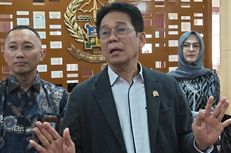
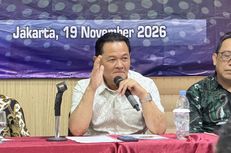
Soedeson Tandra, Vice Chairman of the Working Committee on the Asset Confiscation Bill, cited the example of fraudulent cooperatives that raised public funds but then fled or committed embezzlement.
Another example includes bogus travel agencies that collected funds for religious purposes but failed to fulfill their obligations.
"Therefore, their assets must be confiscated for the benefit of the victims," said Soedeson at the Indonesian House of Representatives (DPR RI) on Thursday (19/11/2026).
Soedeson explained that this provision is necessary as, until now, while perpetrators can be sentenced to prison, the assets obtained from their crimes may not necessarily be returned to the victims.
“With this law, assets resulting from fraud and embezzlement can be confiscated as long as the actions cause losses to the wider community,” Soedeson stated.
Furthermore, Soedeson mentioned that the Asset Confiscation Law stipulates the establishment of an independent body responsible for storing, managing, and selling seized and confiscated items.
This body will be led by a head, while its organizational structure will be further regulated by the President.
"Thus, this body is tasked primarily with storing, managing, and selling everything to recover state financial losses. It can also auction items to distribute the proceeds to those in need of compensation," Soedeson explained.
According to Soedeson, the establishment of this independent body aims to address public criticism regarding the management of seized and confiscated assets, which has been viewed as lacking transparency.
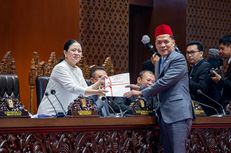
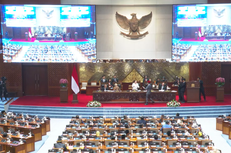
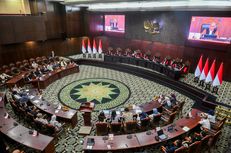
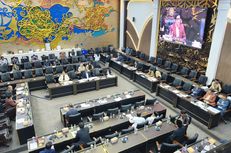
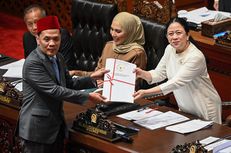
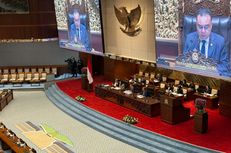
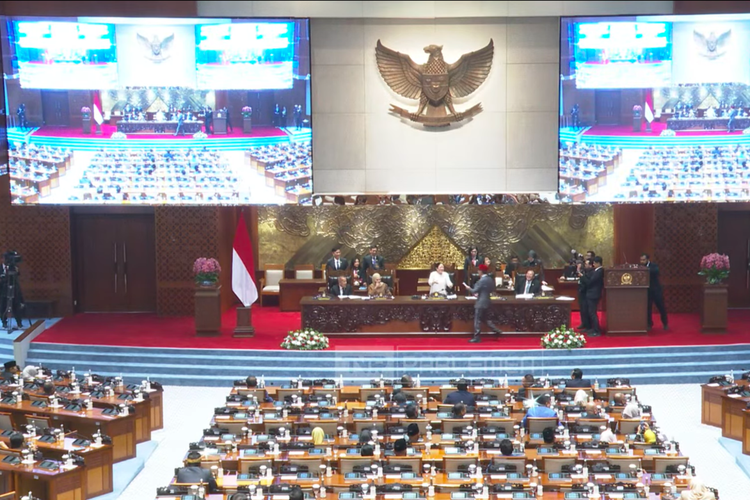
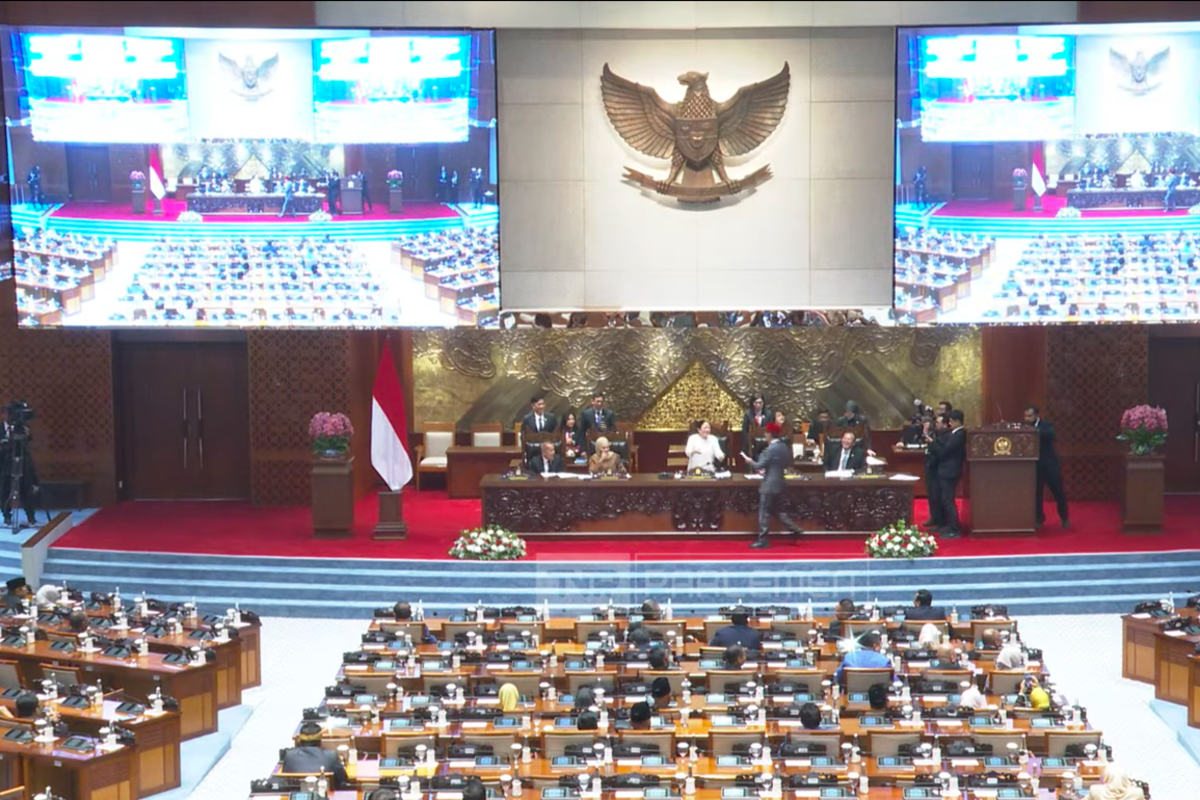
Previously reported, the DPR RI has approved the Asset Confiscation Bill Related to Corruption and Other Criminal Acts into law during the 13th Plenary Meeting of the Second Session of the 2026-2027 Legislative Year on Thursday (19/11/2026).
Before this second-level endorsement, the DPR made a first-level decision in a meeting of Commission III on Wednesday (18/11/2026).
In its discussions, the Commission III Working Committee reviewed a total of 397 inventory problems (DIM), consisting of 160 permanent DIMs, 135 editorial DIMs, 40 substantive DIMs, 44 DIMs for removal, and 18 new substantive DIMs.