

Refuting Discussions on Vice Presidential Candidates, Minister Sjafrie Explains Meeting with Sufmi Dasco at the House
-
News
-
2 minutes ago
This article was translated by AI. Read the original article on Kompas.com. See Original
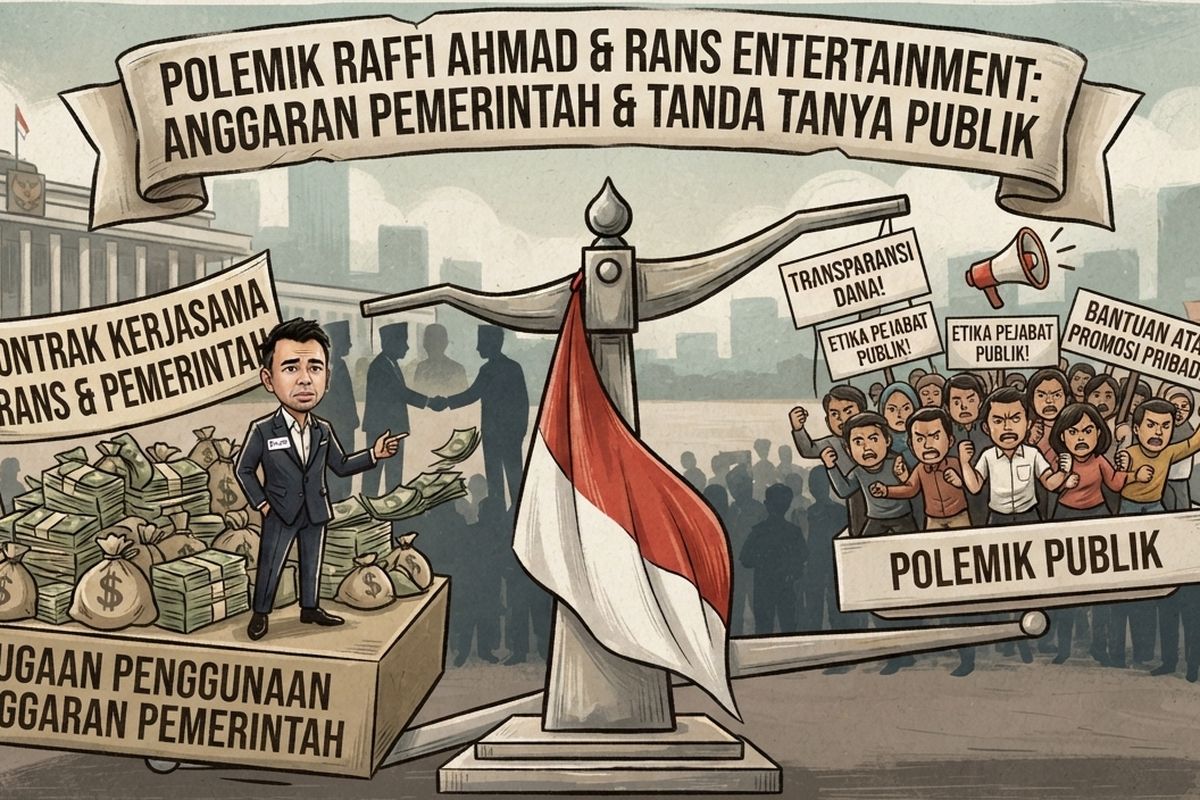
Instead, the government should be more selective in deciding whom to collaborate with to communicate policies and programs to the public.
"The solution is to develop, hire, or collaborate with the right public communicators. Relying on influencers due to government ineptitude is merely a shortcut," Nyarwi said.
He emphasizes that popularity and follower counts on social media should not be the sole considerations when selecting someone as a government communication partner.
The aspects of quality, integrity, ethics, competencies, and educational background should also be taken into account.
This is because the individuals disseminating information about government programs have responsibilities toward the public.
The messages conveyed should not only reach wide audiences but also be accountable.
"These influencers may not realize their role as public communicators and may lack necessary skills, that is the quality, integrity, and ethics, as well as their educational background," he explained.
Nyarwi further pointed out that collaborating with influencers without proper vetting could also harm the government if the partnered figure faces reputational issues.
Moreover, the partnership costs are sourced from public taxes.
"If an influencer’s reputation is threatened or damaged, the government ends up bearing the costs with the intended objectives unmet," Nyarwi stated.
"After all, those costs are funded by the public’s taxes," he added.
Therefore, he believes the government needs to build the capacity of public communicators within institutions while also improving the standards for selecting external partners.