
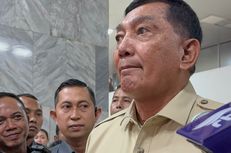
Refuting Discussions on Vice Presidential Candidates, Minister Sjafrie Explains Meeting with Sufmi Dasco at the House
-
News
-
2 minutes ago
This article was translated by AI. Read the original article on Kompas.com. See Original
The procurement process must comply with existing regulations, including Presidential Regulation No. 16 of 2018, as amended by Presidential Regulation No. 12 of 2021 and Presidential Regulation No. 46 of 2025.
In addition, there are implementing regulations such as Regulation of the Government Procurement Policy Agency (LKPP) No. 2 of 2025 regarding Guidelines for Government Goods/Services Procurement Through Direct Appointment for government priority programs, governmental aid and/or presidential assistance based on presidential directives.
With these regulations, Agustinus argues, every procurement must have a justifiable basis and process.
Agustinus states that one way to ensure ministries and agencies are more meticulous in determining spending priorities is by making budget information available to the public.
Transparency is essential so the public can understand how budget allocations are made and which programs are funded with state money.
With such openness, the public has the opportunity to monitor and provide input on government spending policies.
"In my view, to ensure that ministries/agencies are more prudent in determining spending priorities, so that state budgets are genuinely directed towards programs that have a direct impact on the community, budget transparency with accessible allocation information is key," Agustinus asserts.
He believes public oversight is crucial so that budget policies don't just cater to governmental needs but also pay attention to groups in society that deserve greater focus.
Agustinus specifically highlights poor communities, marginalized groups, and residents living in underdeveloped, frontier, and outer (3T) areas.
He argues that state budgets should be directed to promote social justice for all Indonesians.
Consequently, budget information must not merely be an administrative obligation.
The government should also create space for the public to voice needs and monitor program implementation.
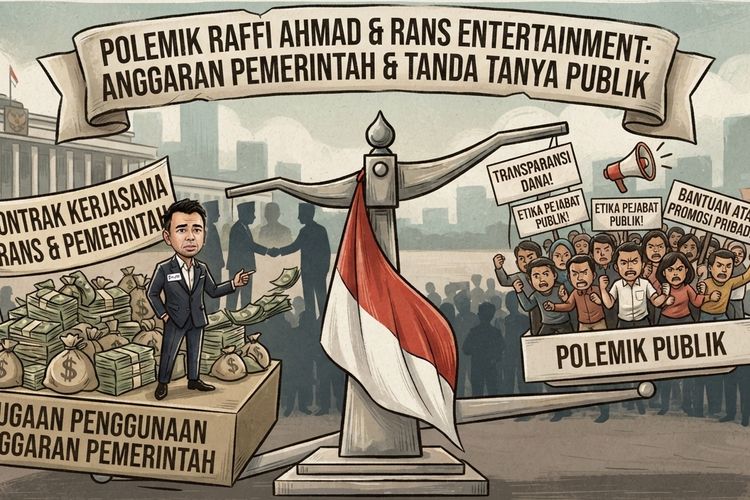
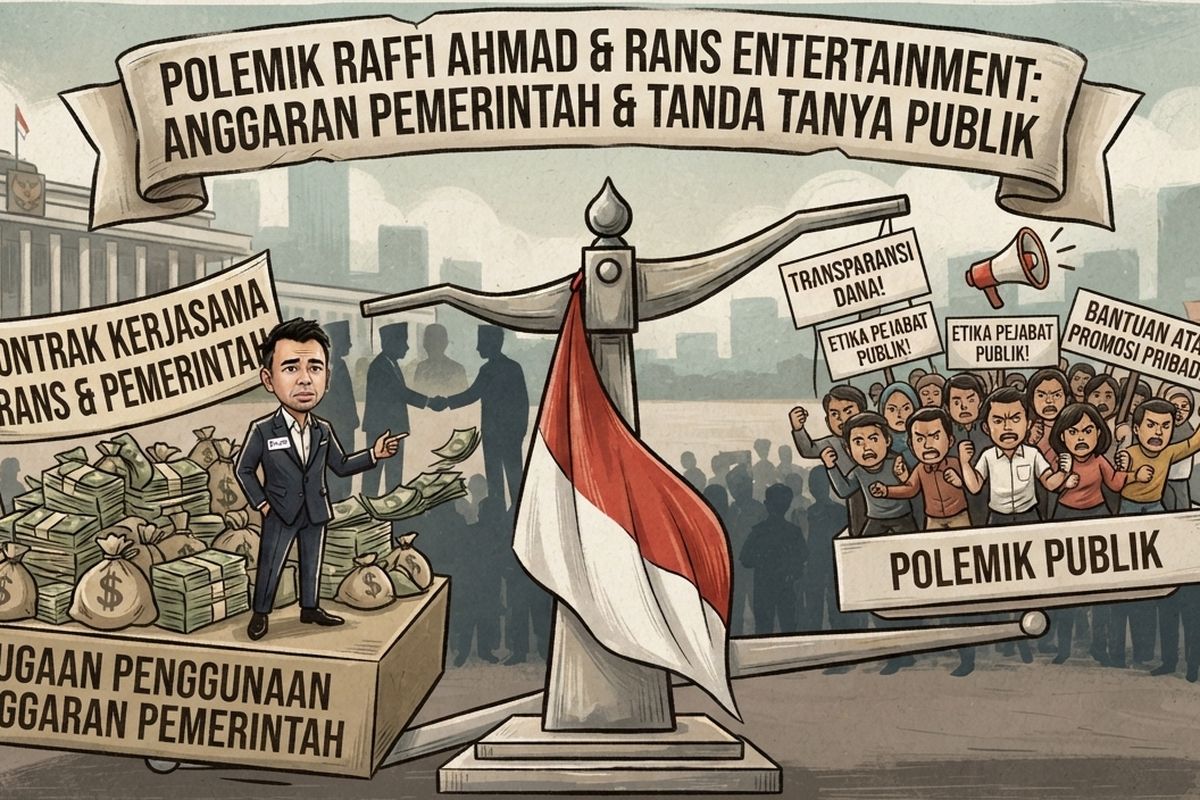
Aside from prioritization issues, the controversy surrounding the partnership with Raffi Ahmad’s company also relates to how the government communicates programs to the public.
Political communication expert at UGM and Executive Director of Indonesian Presidential Studies, Nyarwi Ahmad, believes the government needs to improve its public communication strategy amidst the changing landscape of digital media and social networks.
He notes that using influencers has often been a shortcut for state institutions that have yet to fully adapt to the evolving digital platform landscape.