
After the Philippines, Prabowo Arrives in China for the APEC Summit
-
News
-
5 minutes ago
This article was translated by AI. Read the original article on Kompas.com. See Original

JAKARTA, KOMPAS.com - Wiretapping has become a vital tool for state apparatus in uncovering crimes and anticipating threats to national security.
However, this function carries serious challenges, as it can infringe on privacy rights and human rights (HR) of individuals.
In Indonesia, the authority to conduct wiretapping is not concentrated within a single institution.
Several agencies, including the Indonesian National Police (Polri), the Attorney General's Office, the Corruption Eradication Commission (KPK), the National Intelligence Agency (BIN), and the Strategic Intelligence Agency (BAIS) of the military, hold wiretapping authority based on various regulations.
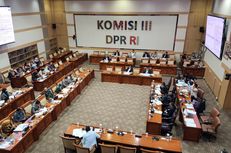
This situation has drawn attention during discussions on the Draft Law (RUU) on Wiretapping in the House of Representatives (DPR).
Some members of Commission III have noted that the existing regulations scattered across various laws can potentially lead to overlapping authorities and complicate oversight regarding the use of wiretapping equipment.
So, who is entitled to exercise wiretapping authority?
Can all law enforcement officers claim that right?
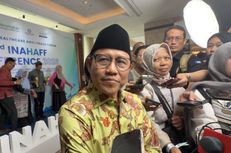
Commission III member from the PDI-P faction, I Wayan Sudirta, stated that the RUU on Wiretapping needs to clearly regulate which agencies are granted wiretapping authority, including the procedures for its implementation.
According to Wayan, such regulation is essential to ensure that wiretapping is not conducted without clear limitations, especially in relation to law enforcement interests and the substantiation of cases.
"We need regulations on wiretapping that clearly define who is authorized to conduct it, including the implementation procedures," Wayan told Kompas.com on Monday (November 16, 2026).
He explained that the public is increasingly aware that wiretapping is a sensitive action directly related to citizens' privacy rights.
Wayan mentioned that discussions regarding the RUU on Wiretapping had already been underway in the previous term of the DPR.
During that period, criticism and pressure from the public emerged due to fears that the regulations would undermine the KPK's authority to conduct sting operations.
"Many in the public may not have realized at that time that wiretapping is a sensitive activity concerning citizens' privacy rights guaranteed by the constitution. This issue always arises in policy-making, especially regarding law enforcement," he stated.
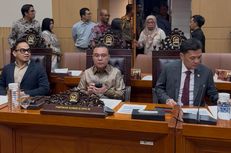
Commission III member Mangihut Sinaga drew attention to the numerous state institutions holding wiretapping authority through their own respective regulations.
He cited agencies like Polri, the Attorney General's Office, BIN, and BAIS of the military as having authority or equipment for conducting wiretaps in line with their institutional functions.
Mangihut believes this situation needs to be regulated to prevent overlap in wiretapping activities.
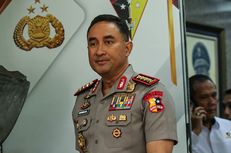
"Given the large number of state institutions now authorized to conduct wiretapping, the issue is not about who should be held accountable, but how can we avoid overlapping issues concerning wiretapping," said Mangihut during a hearing with the Head of the Intelligence and Security Agency (Kabaintelkam) of Polri, Commissioner General Dedy Kusuma Bakti, as cited from a broadcast by TVR Parliament on Monday (November 16, 2026).
This issue is also tied to the oversight of wiretapping devices held by each agency.
Commission III member retired Inspector General of Police Safaruddin emphasized the need for an auditing mechanism for all wiretapping devices belonging to state agencies.