

After the Philippines, Prabowo Arrives in China for the APEC Summit
-
News
-
5 minutes ago
This article was translated by AI. Read the original article on Kompas.com. See Original
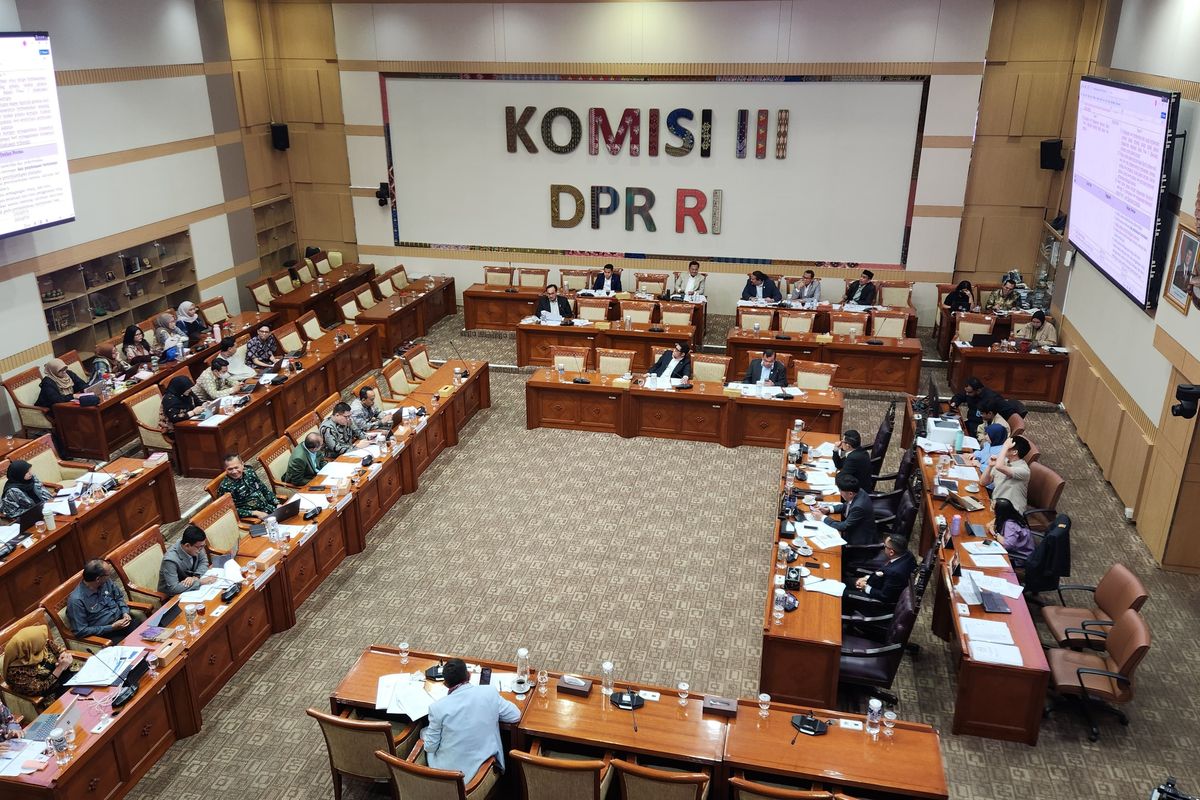
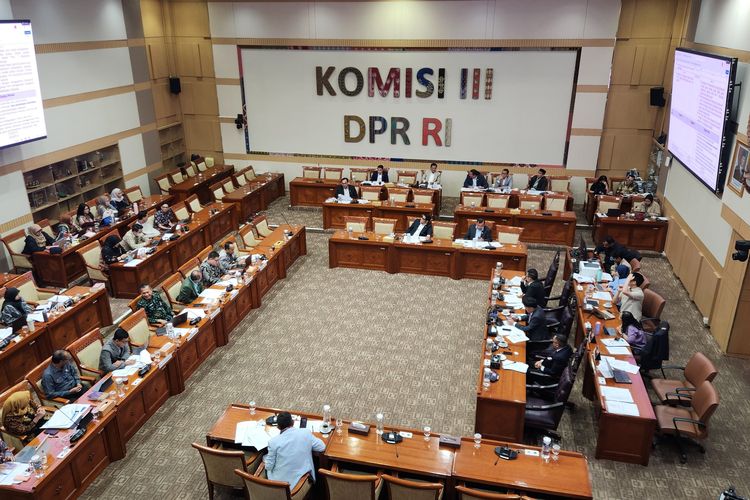
JAKARTA, KOMPAS.com - The House of Representatives (DPR) and the government have agreed that the bill regarding Asset Forfeiture Related to Corruption and Other Crimes will soon be brought to the next DPR plenary session for ratification into law.
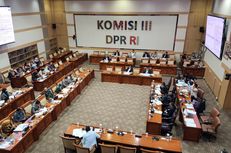
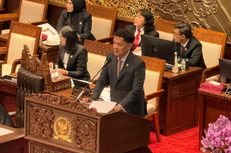
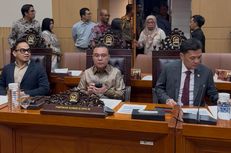
"The Commission III of the DPR and the government ask whether the draft bill regarding Asset Forfeiture Related to Corruption and Other Crimes can proceed to the second stage of discussions, namely the decision-making on the draft bill, which is scheduled for the upcoming plenary session of the DPR?" said DPR Vice Chair Sufmi Dasco Ahmad at the DPR Building, Senayan, Jakarta, on Wednesday (18/11/2026).
"Agreed," shouted the members of the DPR.
Afterward, Dasco requested stronger approval from the government side.
He mentioned that government representatives and DPR factions must sign the Asset Forfeiture draft bill.
"To clarify the approval, representatives from the factions, government representatives, the Deputy Minister of Law, the Deputy Minister of State Secretary, the Director General of State Assets at the Ministry of Finance, and Advisors on Political and Legal Affairs from the Ministry of Administrative Reform and Bureaucratic Reform are requested to sign the Asset Forfeiture draft bill," Dasco stated.
Meanwhile, Chairman of Commission III of the DPR Habiburokhman mentioned that there are 10 main points included in the Asset Forfeiture bill, ranging from guaranteeing that the bill protects human rights to outlining the bill's scope.
The scope of the bill encompasses crimes from fraud to trafficking. This draft bill also regulates the distribution of authority in enforcement actions, protection for good-faith parties, asset recovery for victims, oversight mechanisms, prevention of abuse of power, and the application of technology.
Here are several key topics discussed in the Asset Forfeiture bill:
1. The title, principles, and legal basis emphasized in asset forfeiture to ensure effectiveness, proportionality, accountability, and protection of human rights.
2. The scope of the criminal acts, types, values, and criteria in asset forfeiture, including fraud or embezzlement using information technology that impacts the wider community, such as illegal investments and stock fraud affecting many victims awaiting justice.
3. Affirmation of continued criminal penalties for perpetrators of corruption and other crimes, including the death penalty as per legal provisions.
4. Regulations pertaining to clear distribution of authority in asset forfeiture legal proceedings without criminal charges, starting from investigation, transaction cessation, blocking, seizure, application submission, court hearings, court decisions, to execution of verdicts.
5. Guarantee of protection for third parties acting in good faith while still placing the burden of proof and providing sufficient opportunities.
6. Assurance of optimal efforts in returning assets to direct victims of crime and utilizing them for the public good.
7. Duties and authority in managing assets related to crimes performed by competent bodies to manage assets professionally and accountably, from safekeeping, security, maintenance, utilization, sale, to return or release.
8. Oversight of the implementation of asset forfeiture mechanisms and asset management by independent bodies.
9. Prevention of abuse of power to ensure that asset forfeiture is not merely a tool for law enforcement abuse of authority.
10. Utilization of technology and information systems through asset management systems promoting transparency and accountability.