Jokowi Volunteers and the Cult of Personality
-
News
-
21 minutes ago
This article was translated by AI. Read the original article on Kompas.com. See Original
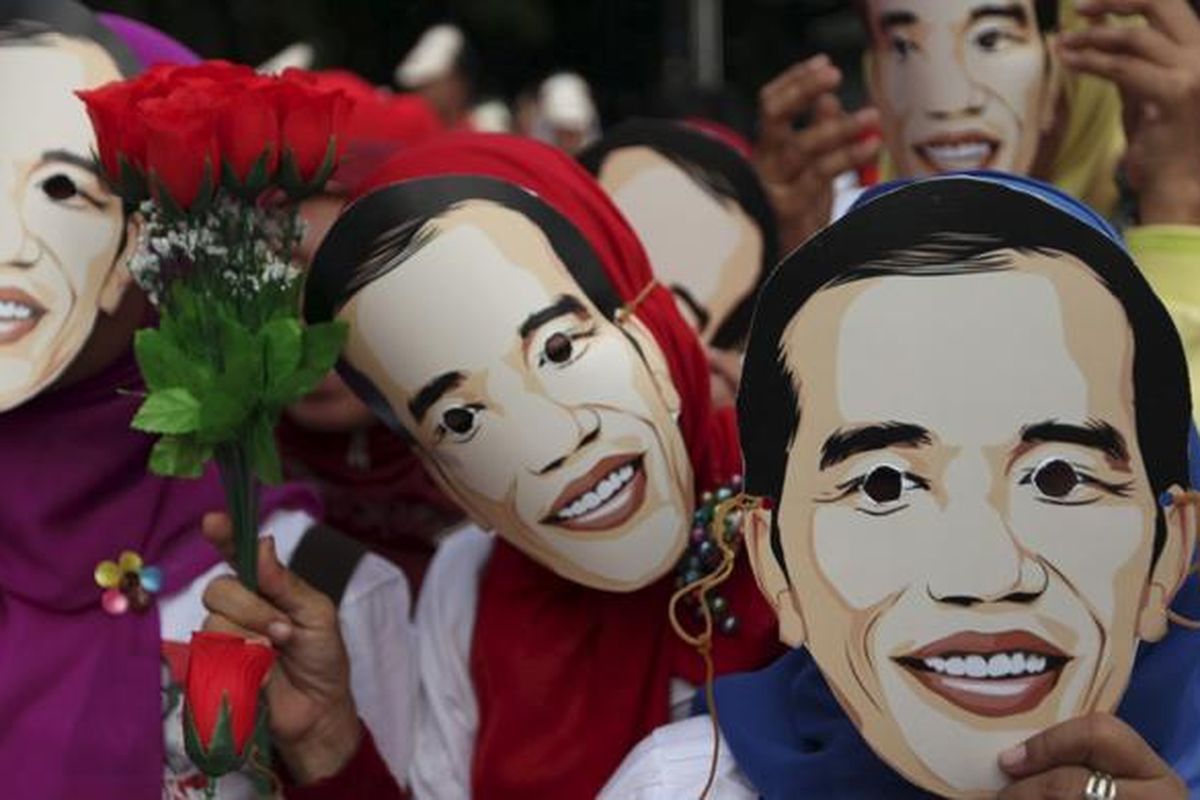
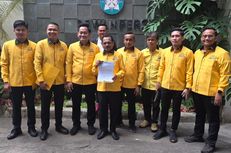
ALMOST every day, the narrow alley in the Sumber Subdistrict of Solo is crowded with visitors.
They come from various provinces, willing to wait for hours just to shake hands and take photos with the 7th President, Joko Widodo.
Security personnel estimate their numbers can reach 500 to 700 people daily.
Many shed tears of joy when finally standing before the figure they admire.
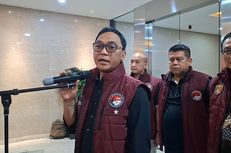
When Gibran Rakabuming Raka stepped back from the vice-presidency, several volunteers were reportedly engulfed in sorrow.
This scene birthed a stinging nickname. A Google Maps user renamed Jokowi's house to "Solo Weeping Wall," and the term quickly spread as satire in the digital space.
His supporters interpret the crowd as evidence of the people's love, while his critics view it as a symptom of deification.
Between these two interpretations lies a clearer question: Has the phenomenon of Jokowi's volunteers reached the level of a cult of personality?
The Indonesian dictionary defines a cult of personality as excessive veneration of an individual.
The verb, to deify, means to idolize or venerate. In political studies, this term refers to the symbolic elevation of one person above others.
The problem is that the label of cult is often applied too loosely, as if every popular leader is automatically deified.
Anne-Mette Holmgård Sundahl, in her study on cults of personality (2022), offers a useful distinction.
Popularity and cult are not two separate boxes, but rather two ends of a continuum.
On one end is ordinary admiration, while on the other end is full-blown cult. A leader begins to shift towards cult status when their image is supported by follower rituals and worshipful behavior that closes off space for criticism.
Using that measure, the phenomenon of Jokowi's volunteers sits in the middle ground. Some cult-like elements are indeed present.