
Filling the Vice Presidential Seat Accelerated, Target is a New VP by December
-
News
-
25 minutes ago
This article was translated by AI. Read the original article on Kompas.com. See Original
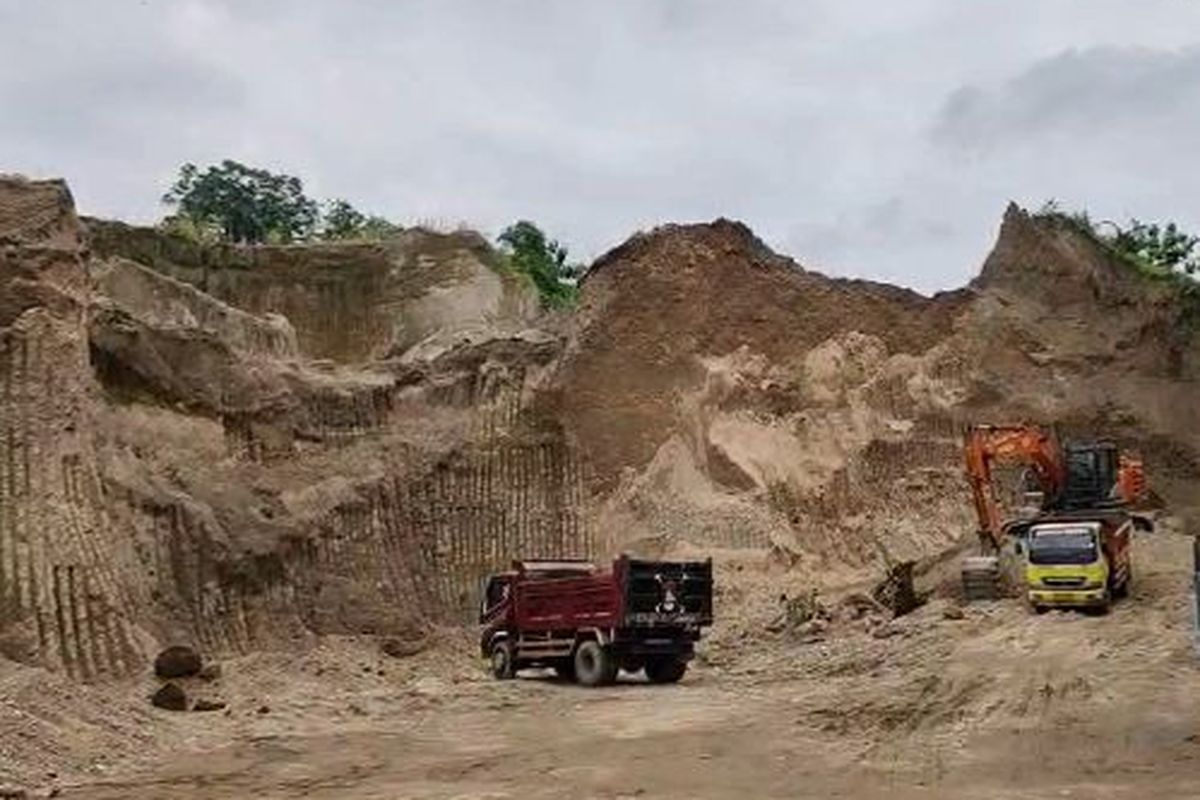
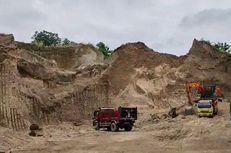
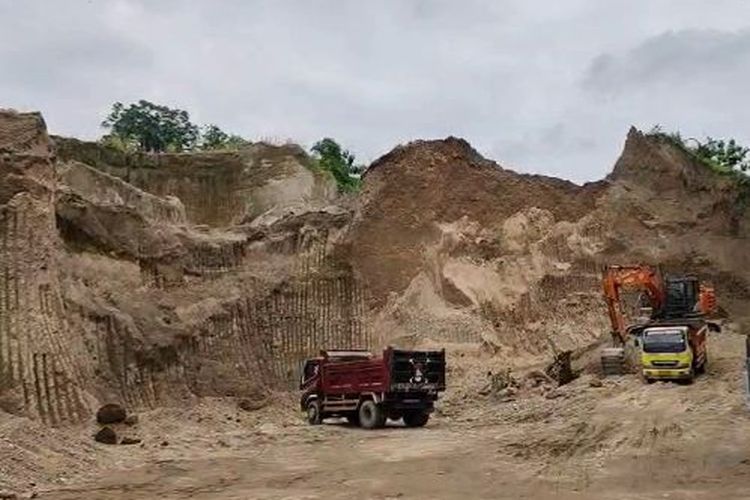
While disasters may serve as a trigger, an evaluation of governmental affairs division should be conducted nationally. The characteristics of sand and stone mining exist in various regions throughout Indonesia.
Of course, returning authority must not be done arbitrarily. Several prerequisites must be met.
First, the central government must establish clear norms, standards, procedures, and criteria (NSPK) as guidelines for district/city governments. Technical mining standards, safety, reclamation, and environmental protection must remain national references.
Second, institutional capacity and human resources at the local level must be strengthened. Not all district/city governments have personnel with adequate technical expertise in mining and environmental aspects.
As such, provincial and central governments must still perform capacity-building, facilitation, supervision, and oversight duties in line with their authority.
Third, transparency in licensing must be mandatory. The process of issuing permits, determining mining areas, supervising production, reclamation obligations, and regional revenues must be accessible and subject to public oversight.
This is crucial to prevent rent-seeking practices, corruption, conflicts of interest, and abuse of power by local elites.
Fourth, environmental oversight must not be compromised. District/city governments must ensure that sand and stone extraction activities do not damage river basins, disrupt ecosystems, or increase risks of new disasters.
Material extraction must be based on technical and environmental assessments, not merely economic considerations.
Thus, the decentralization of authority must parallel the decentralization of responsibility. Local governments are given authority but must also have the capacity, integrity, and accountability.
Ultimately, the government's plan to return licensing authority for category C mining to district/city governments is a wise and appropriate step.
We must ensure that the disaster momentum in Sumatra does not pass without leading to fundamental corrections in regional governance.
The central government should promptly issue regulations underpinning this return of authority.
Further, this policy should not be limited to disaster-affected areas but should apply to all districts/cities across Indonesia while considering each region’s institutional preparedness and capacity.
We must not remain trapped in the paradigm that consolidating more matters to the center or province means better governance.
What is more important is not where the authority is pooled, but at what level of government an issue is most effectively, efficiently, and accountably managed.
If simple, local matters with direct community impacts continue to be controlled from higher government levels, what is the point of advocating for regional autonomy?
Returning authority for category C mining to district/city governments does not mean weakening the central or provincial governments. Instead, it exemplifies a more proportional, fair, and harmonious division of responsibilities as desired by the constitution.
It is time for the government to stop distancing authority from the people. We must ensure that while sand and stone reside in the area—where the impacts are felt by the local community—the authority remains with those closest to the issues.