

Said Abdullah: The Ideal Vice President Must Complement the President's Leadership
-
News
-
4 minutes ago
This article was translated by AI. Read the original article on Kompas.com. See Original
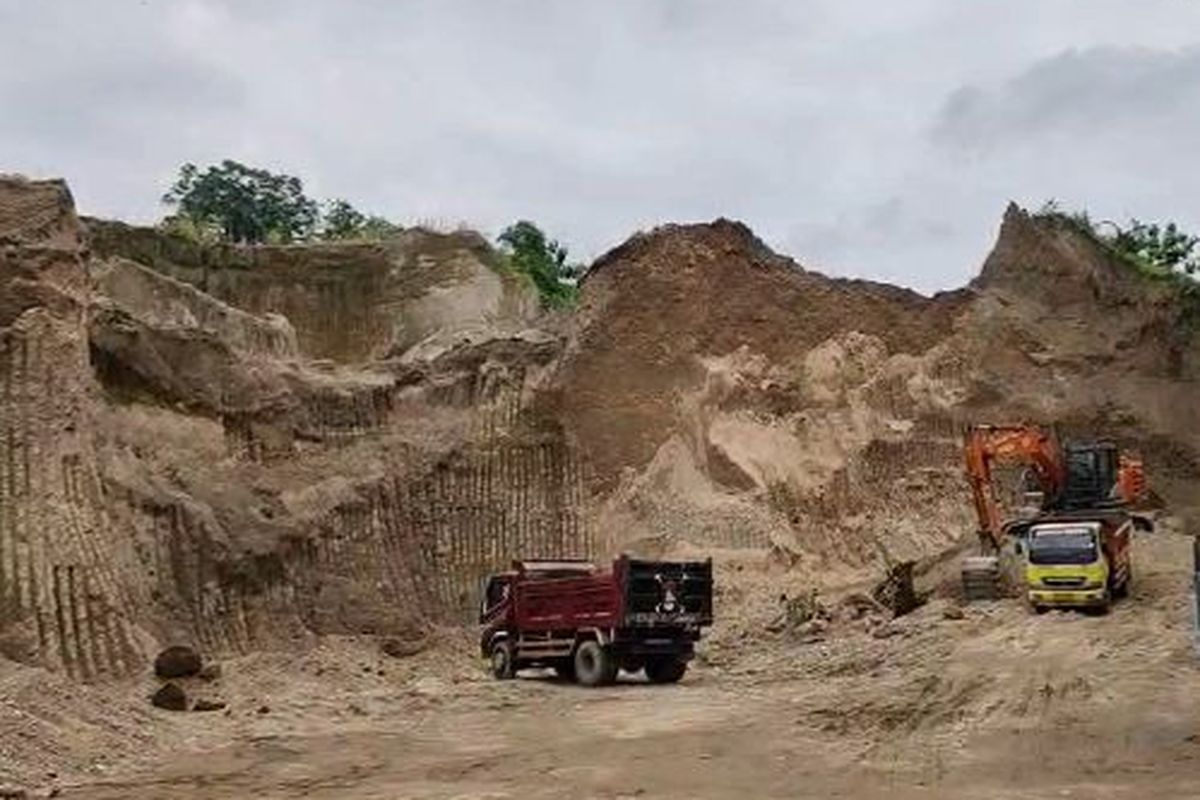
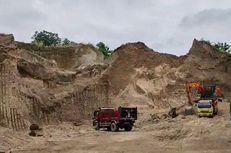
THE PLAN by the government to return the licensing authority for mineral extraction, specifically category C mining or sand and stone (sirtu), to the regional governments of districts/cities deserves a positive reception.
This proposal comes in the wake of the floods and landslides that affected several areas in Sumatra in November 2025, and is not merely a technical step towards the normalization of rivers.
More than that, it represents a moment to correct the trajectory of decentralization that has tended to pull local government authority to higher levels.
From the perspective of regional autonomy, this policy is akin to returning the betel leaf to its place.
Matters that are characteristically tied to the scope of impact and the service needs should indeed be handled by district/city governments.
Why is that?
First, looking at the complexity of the issues. Mining encompasses a broad spectrum of activities, ranging from oil and gas extraction, minerals, and coal, to the mining of materials like sand and stone.
Each type has its own characteristics, technological needs, expertise, capital requirements, and environmental risks. Not all mining issues need to be managed by the central or provincial government.
For example, managing oil and gas extraction requires advanced technology, substantial investment, and specialized expertise, hence it rightly falls under the purview of the central government.
However, category C mining involving sand and stone is relatively simpler from a technical management perspective.
District/city governments should have the capacity to handle licensing, coaching, and supervision while still complying with the technical and environmental standards set by the central government.
In the theory of government division, there are principles of accountability, efficiency, externalities, and national strategic interests.
The externality principle requires that governmental matters be handled by the level of government closest to those affected by such matters.
Meanwhile, the accountability principle demands that authority is given to the government that can best justify its implementation.
In the context of category C mining, the local community is the party that is closest and most directly impacted by mining activities.
Environmental damage, changes to river paths, sedimentation, infrastructure damage, as well as potential floods and landslides are ultimately felt by local communities.
Thus, it seems somewhat odd that district/city governments must wait for decisions from provincial or national governments for issues happening right in front of them.
The local government, which understands the geographical conditions, river characteristics, development needs, and the impacts of mining activities, is often left without adequate authority to take action.
Second, the return of this authority will make government services more effective. District/city governments are geographically and socially closer to mining locations.
Consequently, licensing processes, utilization of materials, business actor coaching, and on-site supervision can be carried out more quickly and responsively.