
Filling the Vice Presidential Seat Accelerated, Target is a New VP by December
-
News
-
25 minutes ago
This article was translated by AI. Read the original article on Kompas.com. See Original
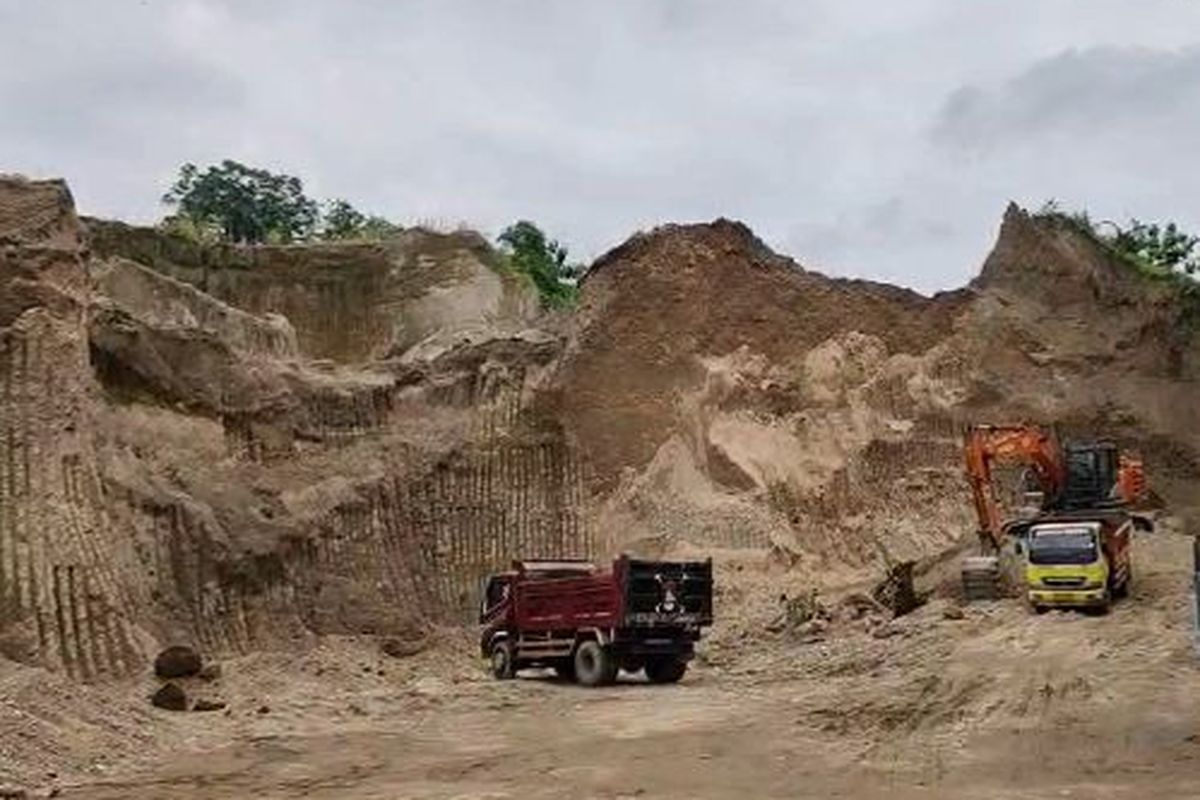
Compare this to provincial governments that must oversee mining activities across many districts/cities with extensive geographical areas. Limited reach can result in suboptimal supervision.
Often, on-the-ground issues only come to light after they have caused damage or conflict with the community.
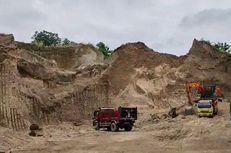
In disaster management in Sumatra, for example, piles of sand and stone in rivers require immediate action. These materials can be utilized to support river normalization and development needs.
Local governments should be able to make decisions more swiftly, certainly through transparent mechanisms, according to legislative regulations, while considering environmental carrying capacity.
Third, the return of authority can strengthen regional fiscal capacity. Amid fiscal constraints and many district/city governments' dependence on regional transfer funds (TKD), local natural resource potential must be managed more productively and responsibly.
Utilization of sand and stone can contribute to regional income through legitimate revenue instruments in line with regulations.
Moreover, collaborating with third parties in utilizing materials for river normalization can provide economic benefits for regions and communities.
However, it should be emphasized that increasing local revenue (PAD) must not come at the expense of environmental interests.
We should not allow the returned authority to open the door to excessive natural resource exploitation. While local income is important, environmental sustainability and community safety are far more critical.
In fact, the authority to manage category C mining at the district/city level is not a new concept in Indonesia’s governance history.
In earlier times, local governments had more significant room for authority over mining operations of category C materials.
Changes occurred alongside the reordering of governmental affairs in the mining sector. Through legal policies concerning minerals and coal, authority that was previously decentralized was centralized to the national government.
Subsequently, some licensing authority was delegated to provincial governments.
This reorganization aimed to strengthen control and oversight over mining activities. However, in practice, centralization of authority does not always equate to effective management.
In fact, when authority is too distanced from the site of issues, oversight can become less responsive, and accountability to local communities diminishes.
Regional autonomy should not be viewed as a threat to the central government. Instead, decentralization is an instrument to bring governance closer to the people, shorten bureaucratic chains, and improve public service effectiveness.
The constitution also provides a clear foundation. Article 18A, paragraph (2) of the 1945 Constitution emphasizes that financial relations, public services, and the utilization of natural resources between the central and regional governments are regulated and implemented fairly and in accordance with the law.
The phrases 'fair' and 'in harmony' carry important meanings. The management of natural resources must not only benefit the central government, while the regions where exploitation takes place bear the social and ecological burdens.
Regions must receive proportional authority and benefits, accompanied by clear management responsibilities.
Therefore, the return of category C authority should not be limited to districts/cities affected by disasters in Sumatra.