

Testing the Readiness of Districts/Cities to Manage C Mining Permits, from Supervision to Potential PAD
-
News
-
18 minutes ago
This article was translated by AI. Read the original article on Kompas.com. See Original
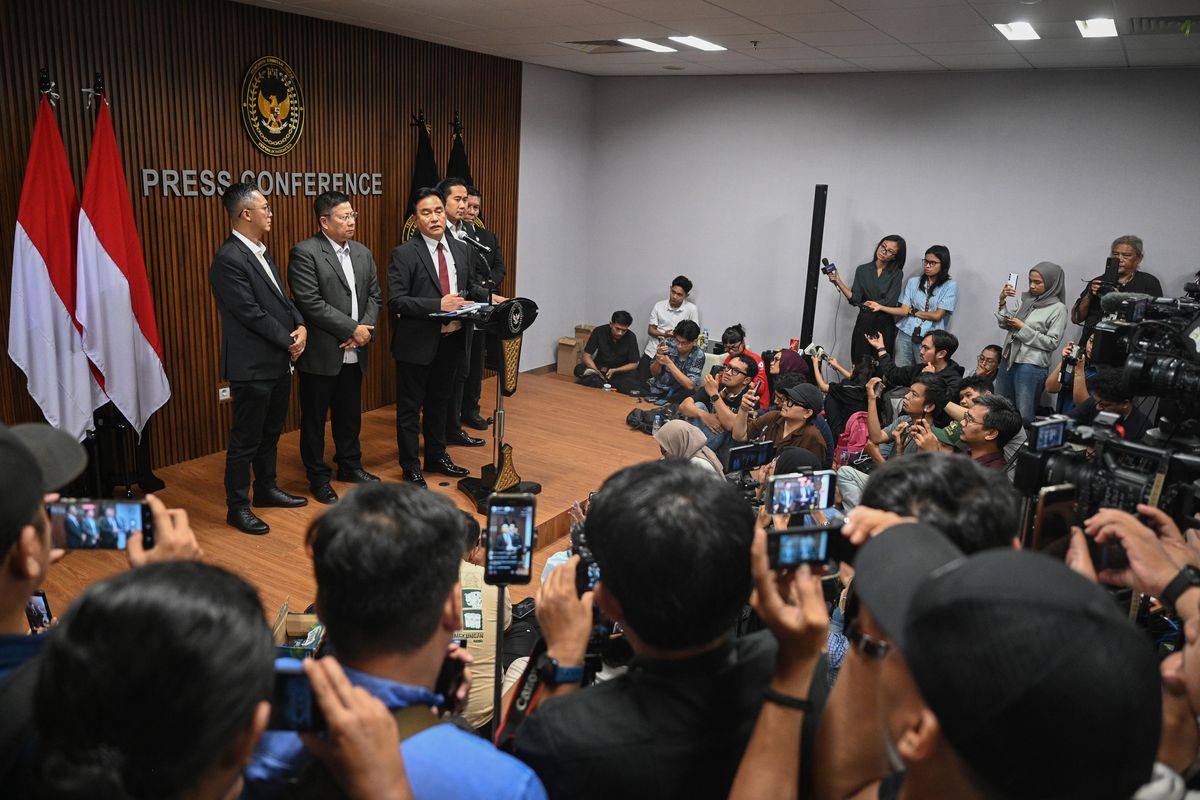
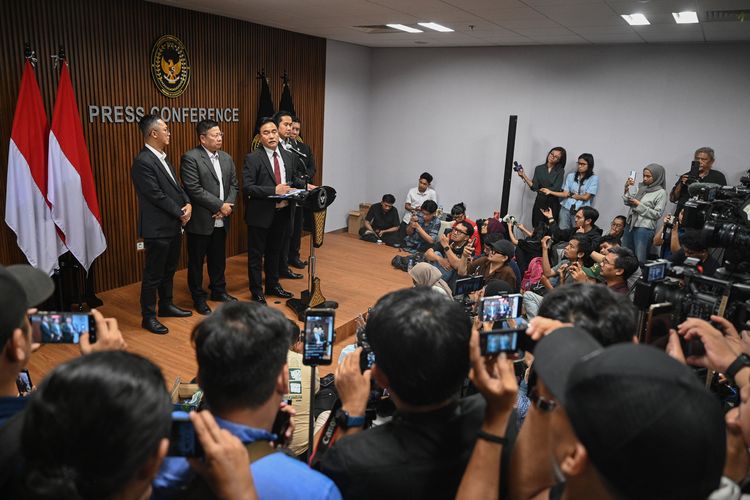
This alleged case also raises questions about the readiness of the presidential security system to face evolving technology-based threats.
So far, the protection of the President is more recognizable to the public through the presence of the Presidential Security Forces (Paspampres), especially in providing direct physical protection.
However, advances in communication technology pose threats that can reach the President without requiring perpetrators to be near the site of presidential activities.
Legally, Government Regulation Number 59 of 2013 on the Security of the President and Vice President states that presidential security is carried out by the Commander of the National Defense Forces in coordination with the Minister of State Secretary, the Chief of Police, the Head of the National Intelligence Agency, and relevant agency leaders according to their authorities.
Meanwhile, the National Cyber and Crypto Agency (BSSN) has governmental duties in cybersecurity and cryptography.
This division of authority shows that presidential security requires inter-agency cooperation, including in protecting systems and means of communication used to carry out government duties.
This case also raises more fundamental questions about the resilience of the national security system.
If these allegations of wiretapping are proven true, how prepared is Indonesia to face similar threats from foreign parties?
This question becomes crucial given that intelligence activities and the mastery of wiretapping technology have become increasingly complex.
Therefore, this case must be seen as a momentum to strengthen the system for protecting presidential communications from threats arising from both domestic and foreign sources.
The government needs to conduct a comprehensive evaluation of the security of communication devices, cryptography systems, information access control, as well as early detection capabilities for espionage activities.
Coordination among the National Defense Forces, National Intelligence Agency, BSSN, Police, and presidential support elements must be strengthened in accordance with their respective authorities.
This step is essential to ensure that the President can carry out his constitutional mandate safely, including when communicating about national strategic interests.
The state's ability to protect its leaders' communications is a vital component in maintaining security, independence, and national sovereignty.
Allegations of illegal wiretapping against the President and various societal groups need to be a serious concern for all state organizers. A thorough investigation must be conducted.
This case also serves as a reminder that protection of the presidential institution and the protection of citizens' privacy rights are two constitutional responsibilities that must be executed concurrently.
The state is obliged to ensure the President's security in carrying out governmental mandates, just as it is also obligated to protect society from abuses of authority that exceed legal bounds.
Ultimately, the authority of the state is determined by its ability to uphold the law fairly and ensure that the powers entrusted to state apparatus are used for legitimate interests.
Protecting the President, safeguarding citizens' rights, and thoroughly investigating abuses of power are all part of our shared responsibility to uphold the constitution.