

Microsoft Indonesia Supports Copyright Law to Promote Innovation in the Creative Industry Sector
-
News
-
19 minutes ago
This article was translated by AI. Read the original article on Kompas.com. See Original
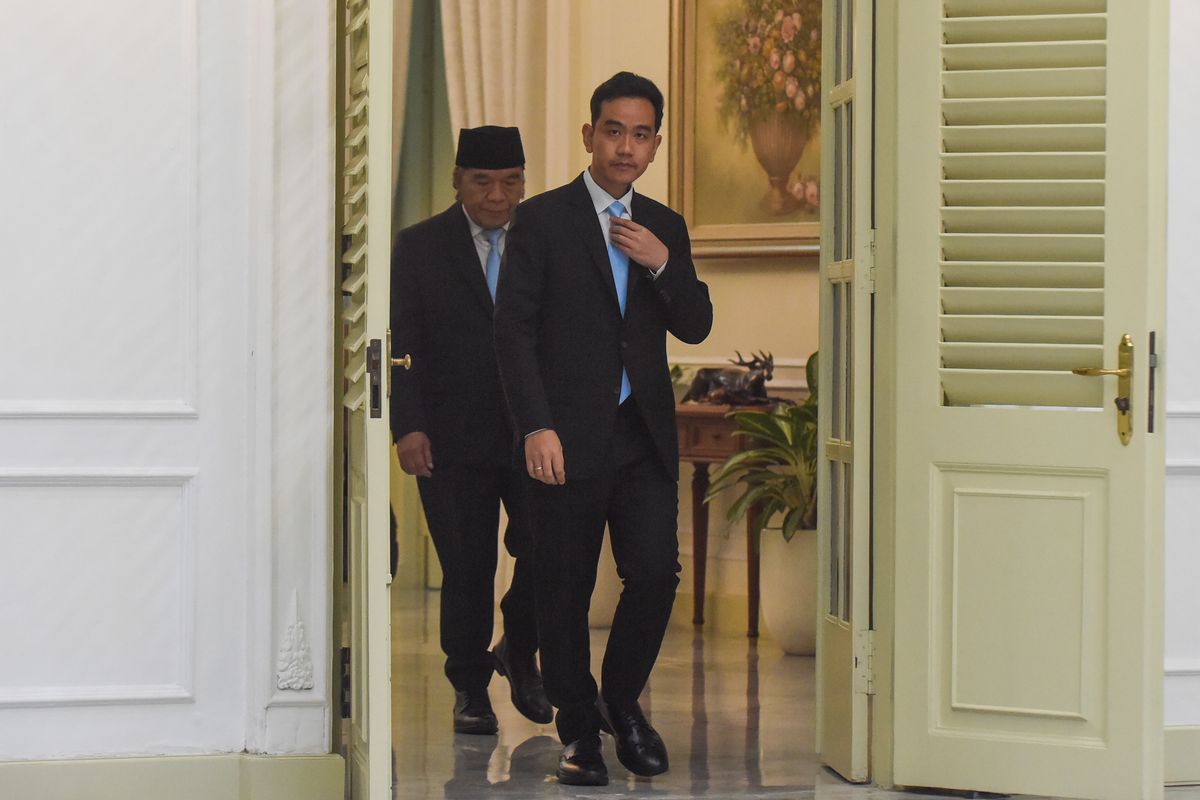
Article 8 paragraph (2) of the 1945 Constitution clearly states that if there is a vacancy in the vice presidency, the MPR must hold a session to choose a vice president from two candidates proposed by the president within 60 days.
This means the constitution has provided a path forward. The president proposes two names while the MPR selects one of them. Thus, filling the position does not rely on unilateral appointments by the president.
It should also be distinguished that voluntary resignation is not impeachment. Resignation is an official's decision to relinquish their position, while impeachment is a removal process governed by constitutional mechanisms involving the DPR, the Constitutional Court, and the MPR.
This moment can also open up opportunities for a vice president with competence, integrity, leadership capacity, and the ability to collaborate with the president in a presidential system of governance.
Successions should not merely become an arena for compromise and power-sharing among political factions. National interests must be placed above coalition interests and political dynasties.
Gibran's issue indeed provides important lessons about the quality of democracy and our national leadership recruitment system.
So far, the process of nominating public officials has often emphasized the strength of political support, popularity, and networks of power.
Meanwhile, the verification of administrative and substantive requirements should have been the first hurdle that is non-negotiable.
We must not allow the nation to only start questioning the eligibility of an official after they have been appointed and executed power.
Fundamental issues such as diplomas, age, citizenship, and other requirements must be strictly checked from the beginning.
Therefore, the KPU, Bawaslu, political parties, and all related institutions must strengthen the candidate verification process. Do not allow administrative gaps or supervisory weaknesses to become sources of constitutional issues later on.
Democracy must not only bring leaders to power through votes. It must also ensure that those elected genuinely meet the qualifications to lead.
Electoral victory should not serve as justification for ignoring legal requirements.
Ultimately, I believe that resigning is not a defeat if done to uphold the honor of the position and the interests of the nation.
Conversely, maintaining a position while disregarding fundamental issues of eligibility risks undermining public trust in state institutions.
We need to build a new political tradition: public officials must not only be brave enough to seize power, but they must also be brave enough to relinquish it when serious questions arise regarding their legitimacy and eligibility.
Let not the position be more important than honor, power more valuable than responsibility, and personal interests prioritized over national interests.
For in a democracy, the honor of a leader is measured not by how long they can cling to power, but by how courageously they can account for their mandate, including the bravery to resign when their position becomes a source of problems for the nation and state.