
If Gibran Resigns, What Changes?
-
News
-
1 minute ago
This article was translated by AI. Read the original article on Kompas.com. See Original
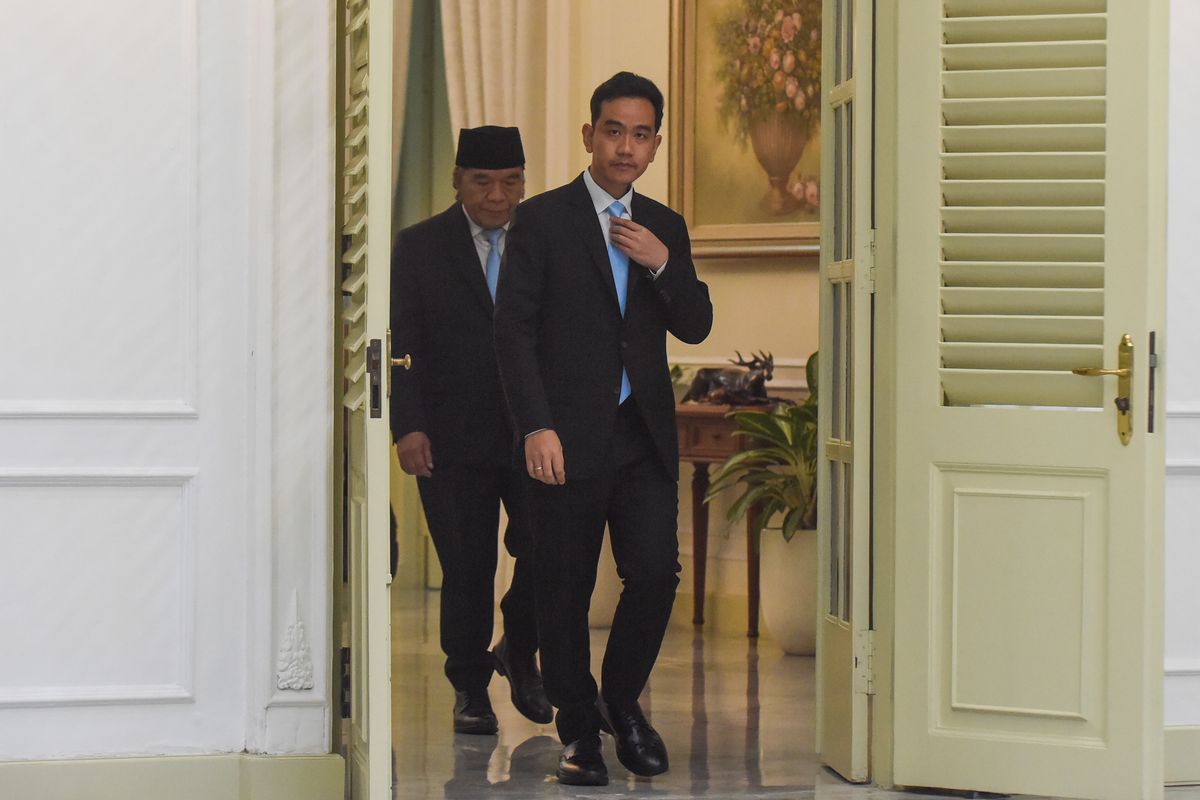
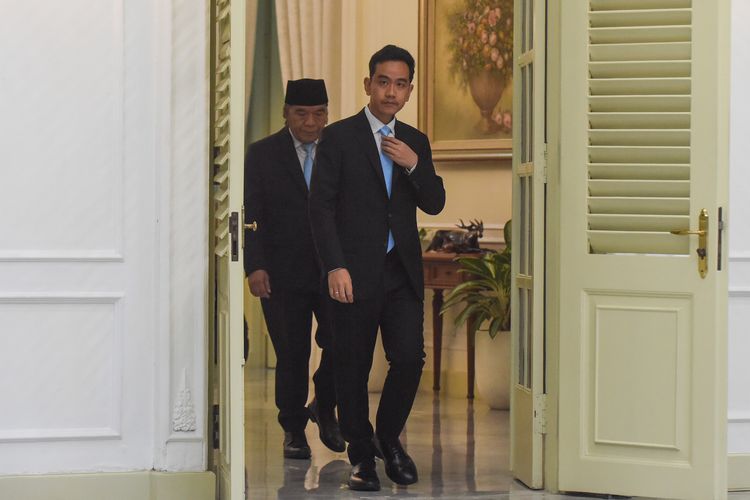
DISCOURSE on the resignation of Vice President Gibran Rakabuming Raka amidst the controversy surrounding educational requirements and judicial decisions is not merely an issue pertaining to the political future of a vice president.
This presents a serious test for the ethics of power, constitutional responsibility, and the maturity of Indonesia's democracy.
If the intention to resign is genuinely realized, I see it potentially bringing about several positive impacts on our state governance. Indeed, its benefits could extend to the regions.
The fundamental issue at stake is not just who holds the position, but how an official can be held accountable for their eligibility under the law, the constitution, and the people.
In democracy, the courage to retain a position is certainly necessary. However, the courage to relinquish a position when serious questions about legitimacy and eligibility arise is far more crucial. Positions should not be maintained at the cost of the honor of state institutions.
In a democracy, public office is not a personal right to be retained by any means necessary.
Office is a mandate acquired through constitutional mechanisms and must be administered according to legal requirements.
Therefore, when serious issues regarding the fulfillment of qualifications to hold an office arise, an official should have the courage to evaluate themselves.
Power should not be used as a shield to evade accountability.
This is where resignation can become an honorable option. There is no need to wait for political pressure to escalate, prolonged institutional conflict, or impeachment processes that could drain national energies.
An official willing to step down when facing fundamental issues regarding their eligibility for office demonstrates a chivalrous attitude. They prioritize institutional and national interests over their personal power.
For Gibran, if the resignation is executed consciously and responsibly, that step can preserve his honor and help quell the national controversy.
Resigning does not mean ending a political journey. The door to return to the political sphere remains open as long as the individual meets all applicable requirements.
It should be emphasized that resignation is not an automatic admission of legal violations.
Whether or not violations have occurred must still be resolved through established legal mechanisms.
However, ethically, the willingness to relinquish office in the face of serious issues represents a form of responsibility for a public official.
There is one impact that I find particularly significant—regarding regional governance.
Indonesia has 546 autonomous regions consisting of provinces, regencies, and cities. Among them, there are regional heads and deputy heads who receive mandates through elections to govern and serve the public.
What happens if, after their appointment, serious issues are later discovered regarding the qualifications of a regional head or deputy head?