

Microsoft Indonesia Supports Copyright Law to Promote Innovation in the Creative Industry Sector
-
News
-
19 minutes ago
This article was translated by AI. Read the original article on Kompas.com. See Original
For example, concerning diplomas, age limits, citizenship status, or the use of invalid documents as eligibility requirements.
Should these officials be forced to maintain their positions until a political struggle occurs in the regional parliament or through a long removal process?
In my view, it shouldn't be this way.
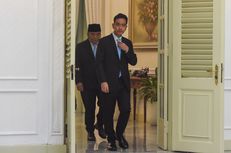
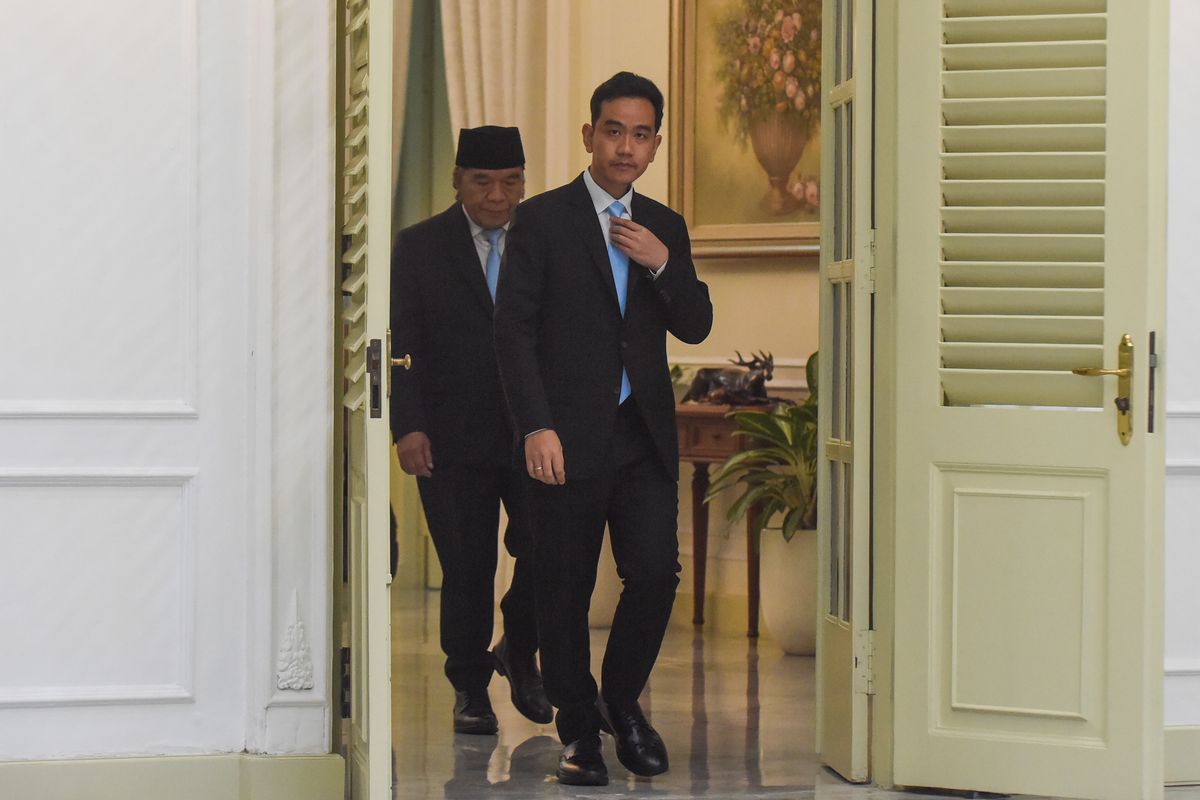
If Gibran truly opts to resign as a form of ethical accountability regarding his eligibility for office, that action could establish a moral and political precedent for officials in the regions.
The message is clear: when fundamental issues regarding position qualifications arise, an official must be courageous enough to take responsibility rather than hide behind power.
Indeed, legally, a vice president's resignation does not automatically create a binding legal precedent for regional heads.
Law No. 23 of 2014 on Regional Government has established the mechanisms for the dismissal of regional heads and deputy heads, particularly in cases where it is proven they have used false documentation or statements as eligibility requirements.
Nevertheless, the moral and political precedent remains significant. Regional heads and deputy heads must adhere to the same integrity standards as national officials.
We must not allow central officials to be held accountable while regional officials feel they can hide behind their positions and political power.
We need a governance tradition that upholds personal responsibility. Office should not be a refuge from legal issues but a trust that requires accountability.
Thus, voluntary resignation can be a more dignified resolution as long as it is done legally and not intended to evade accountability for past wrongs.
Another impact is the opportunity to end national political turmoil.
The controversy surrounding Gibran has consumed public attention and national political energy. If this issue continues to linger, the government risks losing focus on its development agenda.
After all, the people need a functioning government, not political elites endlessly entrapped in conflicts over the legitimacy of positions.
In such a situation, voluntary resignation could serve as a simpler and more dignified exit than maintaining an ongoing political conflict.
We can learn from President Soeharto's resignation on May 21, 1998. As political pressures and legitimacy crises intensified, Soeharto ultimately declared his resignation. This event became a pivotal moment in Indonesia's reform journey.
Of course, constitutionally, the resignation of the president and vice president follows different mechanisms.
However, there are relevant political lessons: when the sustainability of a position heightens a trust crisis, the courage to release that position may help preserve greater interests.
From a constitutional perspective, a vice president's resignation would not create a vacancy in the succession mechanism.