

Jakarta PTUN to Hear Gibran Rakabuming Raka's High School Certificate Lawsuit This Thursday
-
News
-
5 minutes ago
This article was translated by AI. Read the original article on Kompas.com. See Original
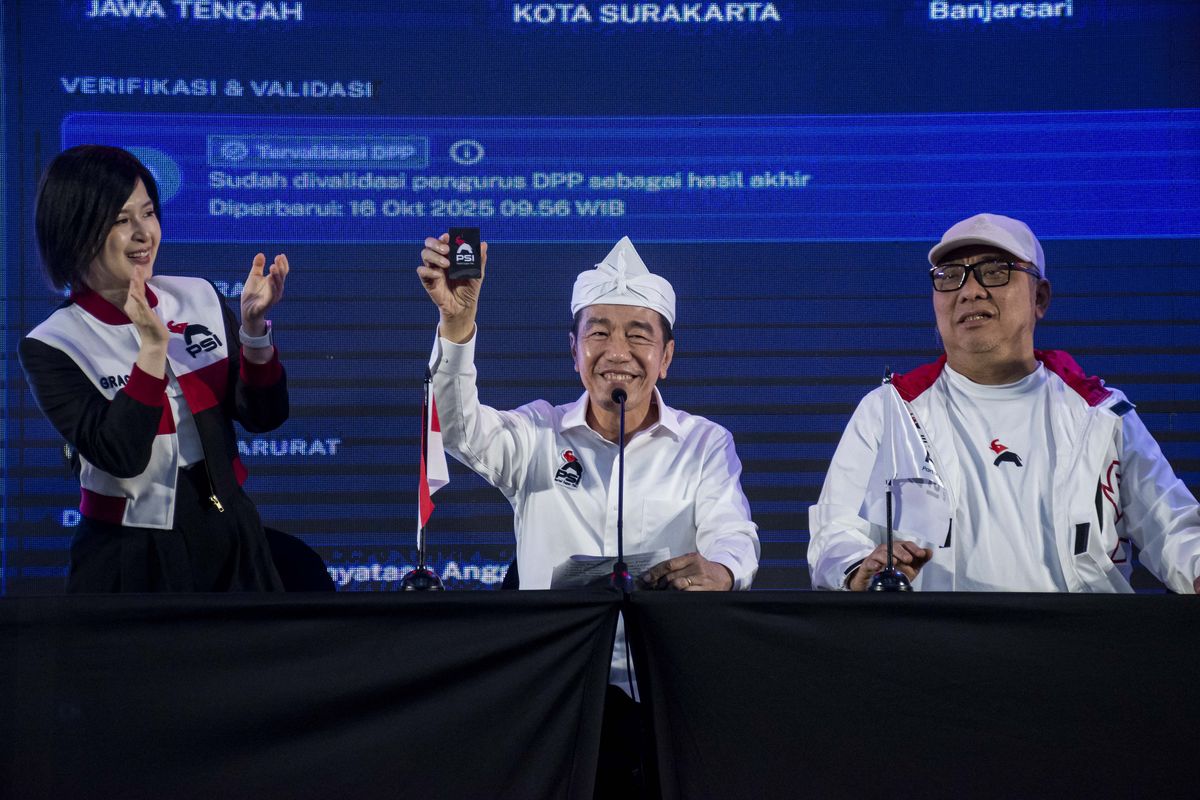
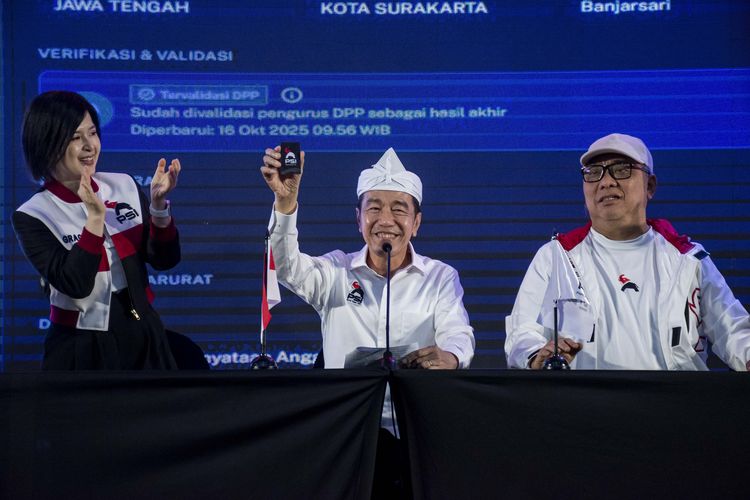
Raja Juli’s and Isyana’s resignations, citing the need to focus on government duties, also highlight the dilemma of balancing party loyalty with national responsibility.
Public officials should prioritize the interests of the state and society. Yet, for a party, this situation poses a test in building a cadre system and leadership that does not rely solely on members in executive positions.
In other words, the issue for PSI lies not just in the loss of three figures, but in how the organization maintains autonomy and continuity as the relationship between the party, its elite, and governance becomes increasingly complex.
For a mature party must differentiate between institutional interests and the personal interests of its leaders.
The challenges facing PSI reflect broader issues within Indonesian political parties. Many political organizations have grown reliant on the popularity of their founders, elite network strength, and closeness to centers of power.
However, this growth is not always accompanied by adequate institutionalization. Research by Ulla Fionna and Dirk Tomsa on factionalism within Indonesian parties demonstrates how patronage and elite relationships shape the internal dynamics of political organizations.
Therefore, the three departures from PSI should be viewed as a test of institutional resilience, rather than a sentence on the party’s future.
The organization can use this moment to strengthen cadre development, expand leadership, and clarify its political identity.
However, this is only possible if internal mechanisms genuinely function and do not merely replace names in the organizational structure.
Herein lies a broader perspective on the issue. The parameters for institutionalization extend beyond a party's ability to win elections or recruit popular figures; they also include its ability to uphold collective goals when these figures leave.
There is a fundamental difference between institutional succession and figure replacement. The former ensures that the organization continues based on systems and values, while the latter merely swaps one person for another.
For PSI, the current challenge is to prove that its political identity is not tied to a handful of figures, that cadre development can foster new leadership, and that organizational decisions remain rooted in its interests and internal mechanisms.
If not, the narrative of renewal will become merely a slogan stripped of its institutional strength.
The history of a party is not solely determined by who founded it, led it, or brought it close to power.
History is also shaped by its ability to endure after those individuals have left. After all, a mature institution is not built for a particular person to remain within it, but to keep its ideas and collective objectives alive long after its founders have exited the political stage.
The departure of these three figures does not test who is most loyal to PSI, but whether PSI has been sufficiently loyal to its own ideas.
Ultimately, PSI is not being abandoned by its leaders; rather, it is being tested to see if it has become an institution or remains merely a stage for individuals.