

2 Climbers Missing on Semeru, BNPB: Do Not Recklessly Enter Disaster Areas and Mounts Under Alert Status
-
News
-
1 minute ago
This article was translated by AI. Read the original article on Kompas.com. See Original
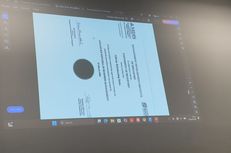
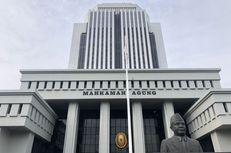
JAKARTA, KOMPAS.com - The right to express opinions has become a significant issue following the Supreme Court's (MA) ruling concerning the certificate of equivalency for senior high school education belonging to Vice President Gibran Rakabuming Raka.
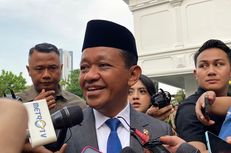
Chairperson of the House of Representatives (DPR) Puan Maharani confirmed that the DPR leadership has received a report concerning the proposal to use the right to express opinions, signed by dozens of DPR members.
Puan stated that the DPR will follow up on this report while considering the mechanisms and applicable constitutional provisions.
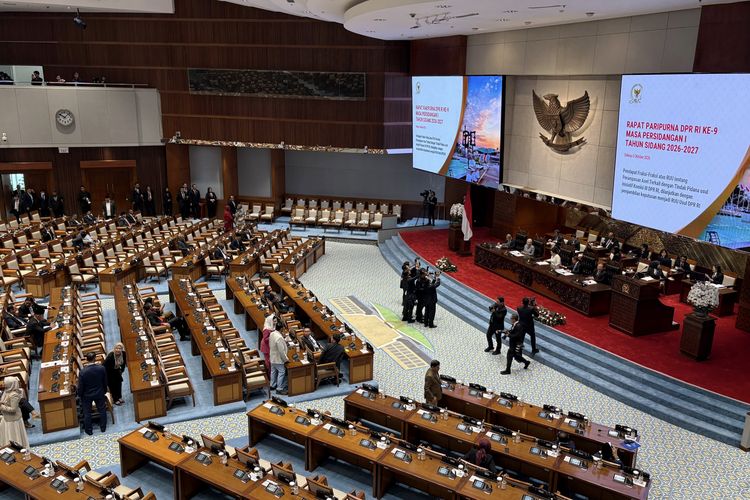
"Yes, we have indeed received this report. However, we will follow up after the opening of this session, regarding how, who, and what the mechanism is. Of course, everything must comply with the existing mechanisms and constitution. So, we adhere to the current constitution," Puan said at the DPR Building in Senayan, Jakarta, on Tuesday (10/11/2026).
Puan also revealed that the DPR leadership has received several aspirations regarding the proposed impeachment of Gibran during the recess period.
With the reopening of the DPR session, the leadership will first listen to various inputs from factions and relevant commissions concerning Gibran's educational issues.
"Certainly, the leadership will process this matter, listen to the reports and inputs, and only then will steps be taken concerning this issue," Puan stated.
So, what exactly is the right to express opinions that has arisen amid the controversy surrounding Gibran's education?
According to Law No. 17 of 2014 concerning the MPR, DPR, DPD, and DPRD (MD3), the right to express opinions is one of the rights of the DPR when a state official fails to perform their duties.
The right to express opinions can be proposed by a minimum of 25 DPR members, as regulated in Article 210 paragraph (1) of the MD3 Law.
"The right to express opinions as referred to in Article 79 paragraph (1) letter c is proposed by at least 25 (twenty-five) members of the DPR," states Article 210 paragraph (1) of the MD3 Law.
Furthermore, according to Article 210 paragraph (2) of the MD3 Law, the right to express opinions must be accompanied by documents that at a minimum include:
"The proposal referred to in paragraph (1) becomes the right to express opinions of the DPR after receiving approval from the DPR plenary session attended by at least 2/3 (two-thirds) of the total number of DPR members, and the decision is made with the approval of at least 2/3 (two-thirds) of the DPR members present," states Article 210 paragraph (3) of the MD3 Law.
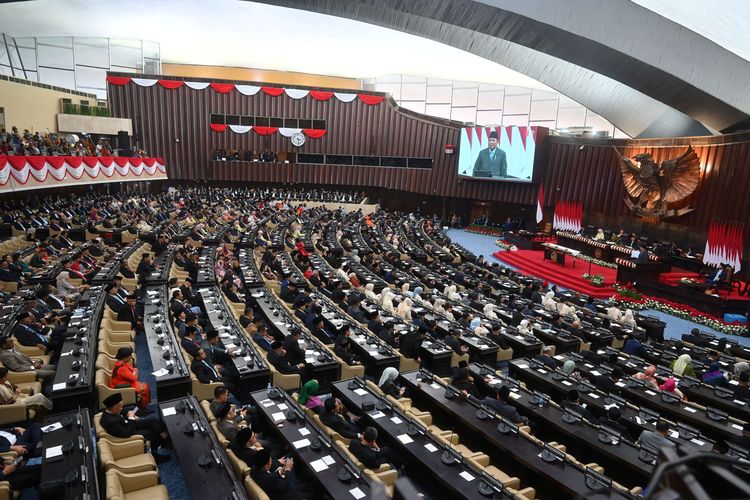
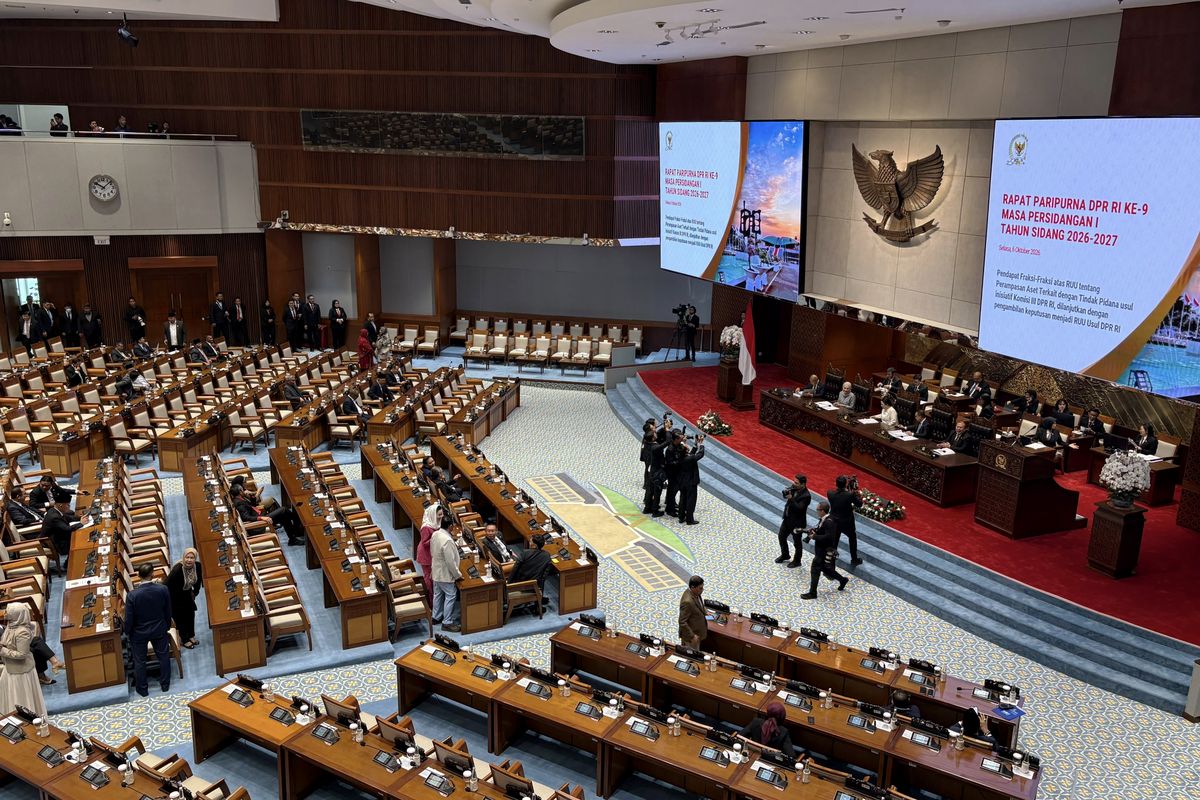
 Photo illustration of the DPR.
The proposal for the right to express opinions is submitted by the proposer to the DPR leadership. Then, the proposal is announced by the DPR leadership in the plenary session.
After that, the Deliberative Body (Bamus) will discuss and schedule the DPR plenary session and provide an opportunity for the proposer to explain their proposal.