
Golkar: Gibran Should Publicly Announce His Resignation if He Wishes to Step Down
-
News
-
3 minutes ago
This article was translated by AI. Read the original article on Kompas.com. See Original
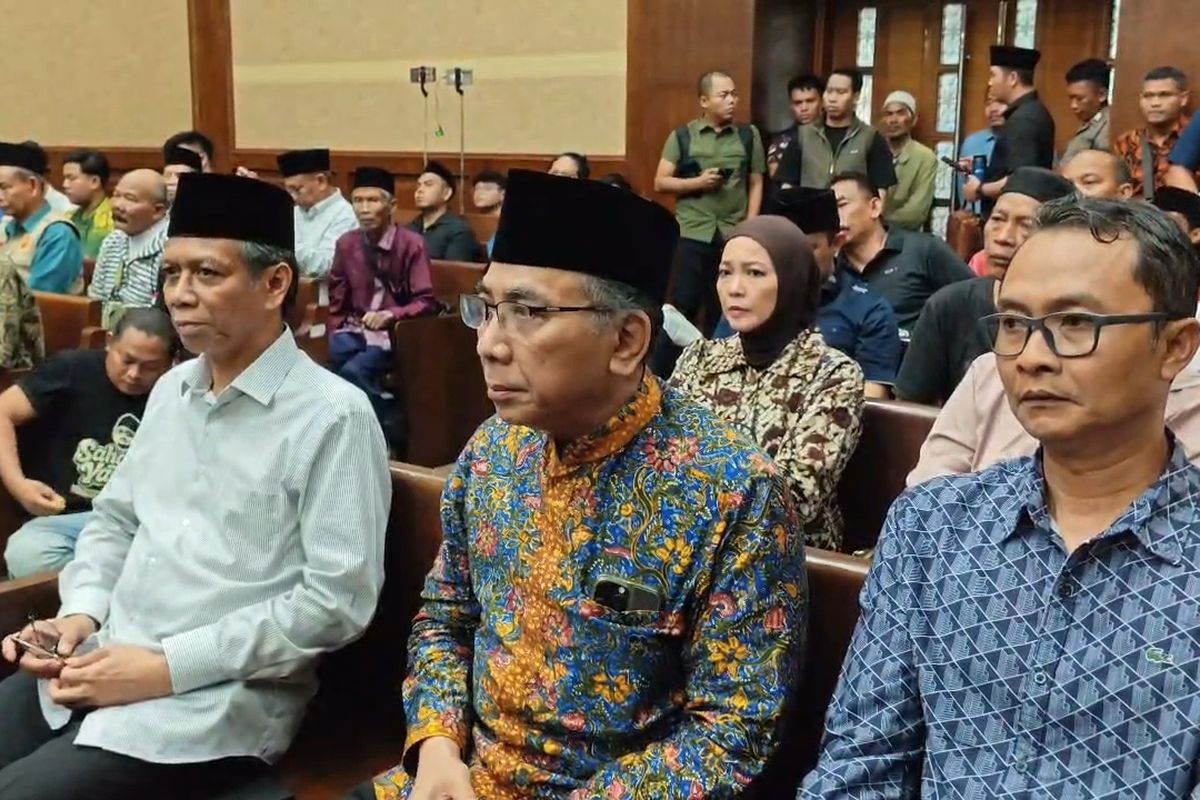
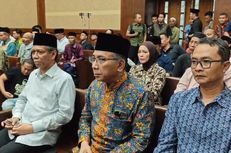
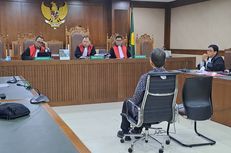
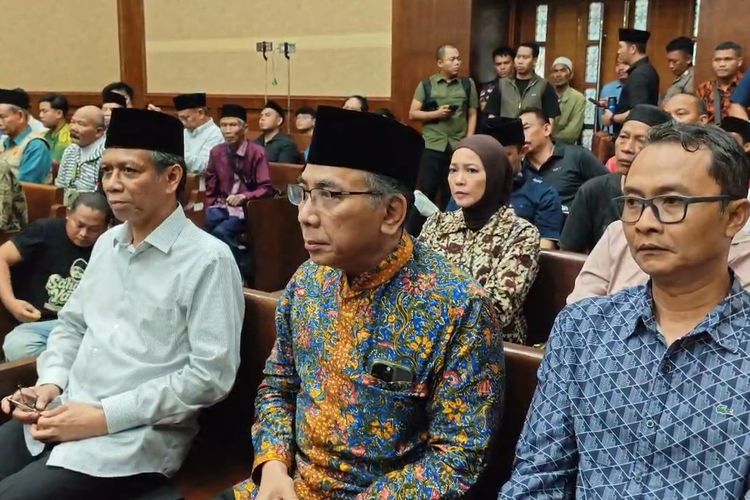
JAKARTA, KOMPAS.com - Gus Yahya, a member of the Presidential Advisory Council (Wantimpres) and brother of former Religious Affairs Minister Yaqut Cholil Qoumas, attended the trial concerning allegations of corruption in the management of additional hajj quota for 2023-2024 at the Central Jakarta Corruption Court on Tuesday (10/11/2026).
Yahya's presence was noted as former Chairman of the Supreme Audit Agency (BPK) for the 2019-2022 period, Agung Firman Sampurna, testified as an expert witness.
Seated in the front row of the courtroom, Yahya attentively followed the proceedings that involve his brother.
His attendance was described as a gesture of sympathy towards Yaqut, who is the defendant in this case.
"It's a form of sympathy, yes, as a form of sympathy," said Yaqut's attorney, Dodi S Abdulkadir, during the session.
Dodi expressed hope that Gus Yahya's presence would help him understand the legal process, which he believes has been flawed.
He also remains optimistic that the panel of judges will issue a fair verdict for his client.
"God willing, the judges will deliver a ruling that embodies justice. The public prosecutor's indictment will be proven unfounded, and Gus Yaqut will be freed," he stated.
During the session, Dodi also addressed the expert testimony presented.
He pointed out that the trial has clarified the distinction between state finance, state assets, and state losses.
He noted that there has been a mix-up between state finances and state assets in this case.
"It is clear that hajj funds, the money of hajj pilgrims, are not state assets. Moreover, part of the finances of the Hajj Organizing Agency (PIHK) also does not belong to state assets," Dodi remarked.
Additionally, Dodi raised concerns regarding the audit report from the BPK that the public prosecutor used as evidence.
According to him, the report did not meet the authentication procedures as outlined in BPK regulations. He referenced Article 235 Paragraph 3 of the Criminal Procedure Code and BPK Regulation Number 2 of 2020.
"Therefore, the BPK’s audit report submitted by the public prosecutor cannot be accepted as evidence," he asserted.