

KPAI Calls for Parents and Schools to Share Responsibility for Child Violence
-
News
-
24 minutes ago
This article was translated by AI. Read the original article on Kompas.com. See Original
Frequent policy changes make it challenging for researchers to assess the longitudinal effects of a particular curriculum.
Such evaluations are necessary to ascertain whether the implemented policies actually enhance learning quality and are commensurate with the state budget spent through the central and regional budgets.
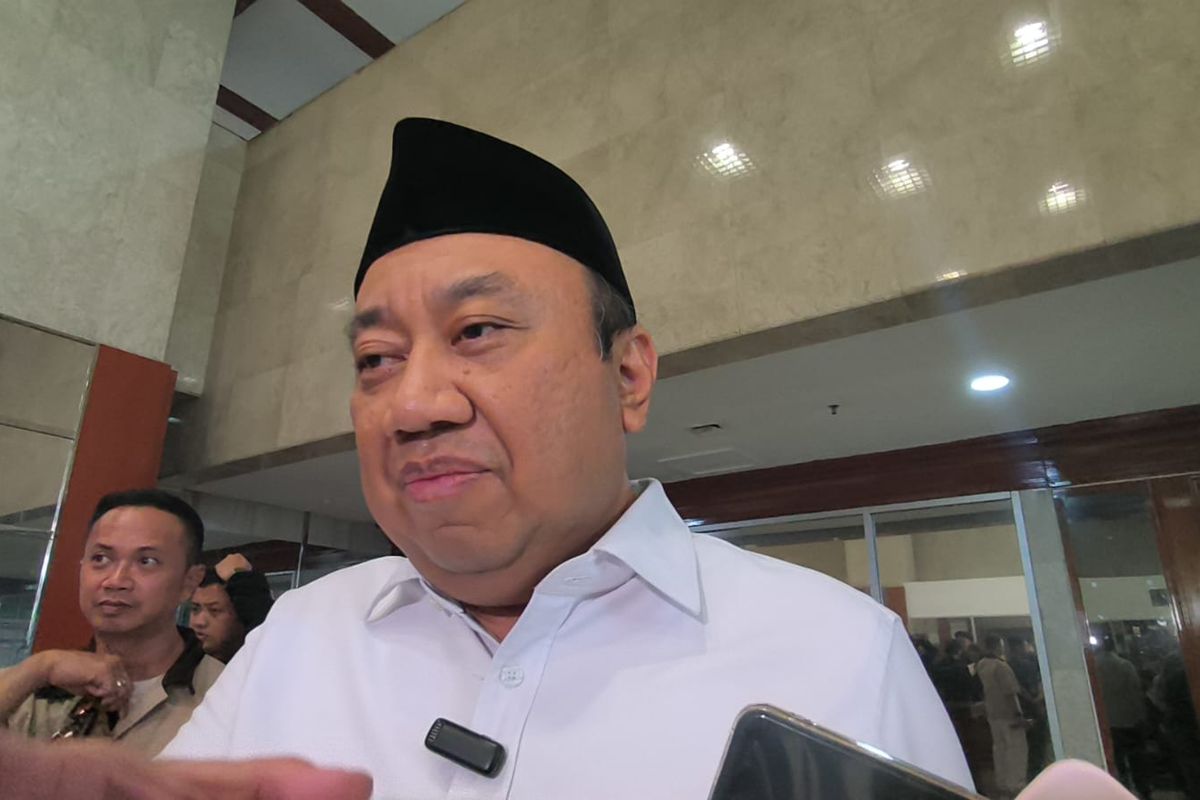
"The quality of learning is not measured by the speed of curriculum changes, but by the depth of the process," emphasized Totok, the Rector of the Emtek Institute of Digital Media in Jakarta.
He assesses that curriculums that continue to change within three to five years make their long-term impacts difficult to measure validly.
Thus, educational policies need to be sustained to avoid excessive dependence on changes in government regimes or ministerial appointments.
From a legislative perspective, Deputy Chairperson of Commission X of the DPR, Lalu Hadrian Irfani, stated they have yet to specifically discuss the government's plan to reinstate the IPA, IPS, and language tracks.
However, Commission X views every effort to refine educational policies as something that needs comprehensive attention.
This includes the government's plan to reinstate the track system that was previously eliminated through the Merdeka Curriculum.
Lalu Hadrian Irfani hopes that the government will openly explain the background, objectives, and evaluation results that formed the basis of this decision.
According to him, changes in educational policy must be based on thorough, objective, and measurable evaluations.
The government must not simply assume that the previous approach was inadequate without sufficient data and research.
Several indicators should serve as the basis for evaluation.
These include students' mastery of basic competencies, literacy and numeracy skills, mastery of science, social studies, and language, and students' readiness for higher education.
Moreover, the government needs to assess the alignment of high school graduates' competencies with the needs of university programs.
"If the evaluation results show that reinforcing tracks is necessary to enhance the quality and academic readiness of students, then such steps should be supported," said Lalu Hadrian Irfani to Kompas.com on Saturday (November 7, 2026).
He emphasized that the government must have clear academic arguments and data so that reinstating the tracks genuinely addresses educational issues rather than merely replacing an existing system.
Lalu also noted that Commission X of the DPR will monitor this policy through its oversight functions.
However, before that, the government is expected to provide comprehensive explanations regarding the evaluation results of the Merdeka Curriculum, the urgency of reinstating the tracks, the policy design to be implemented, and the readiness of schools and educators.
"We certainly have an interest in ensuring that every change in educational policy has a clear purpose, does not create new problems on the ground, and genuinely benefits learners," he concluded.