

KPAI Calls for Parents and Schools to Share Responsibility for Child Violence
-
News
-
24 minutes ago
This article was translated by AI. Read the original article on Kompas.com. See Original
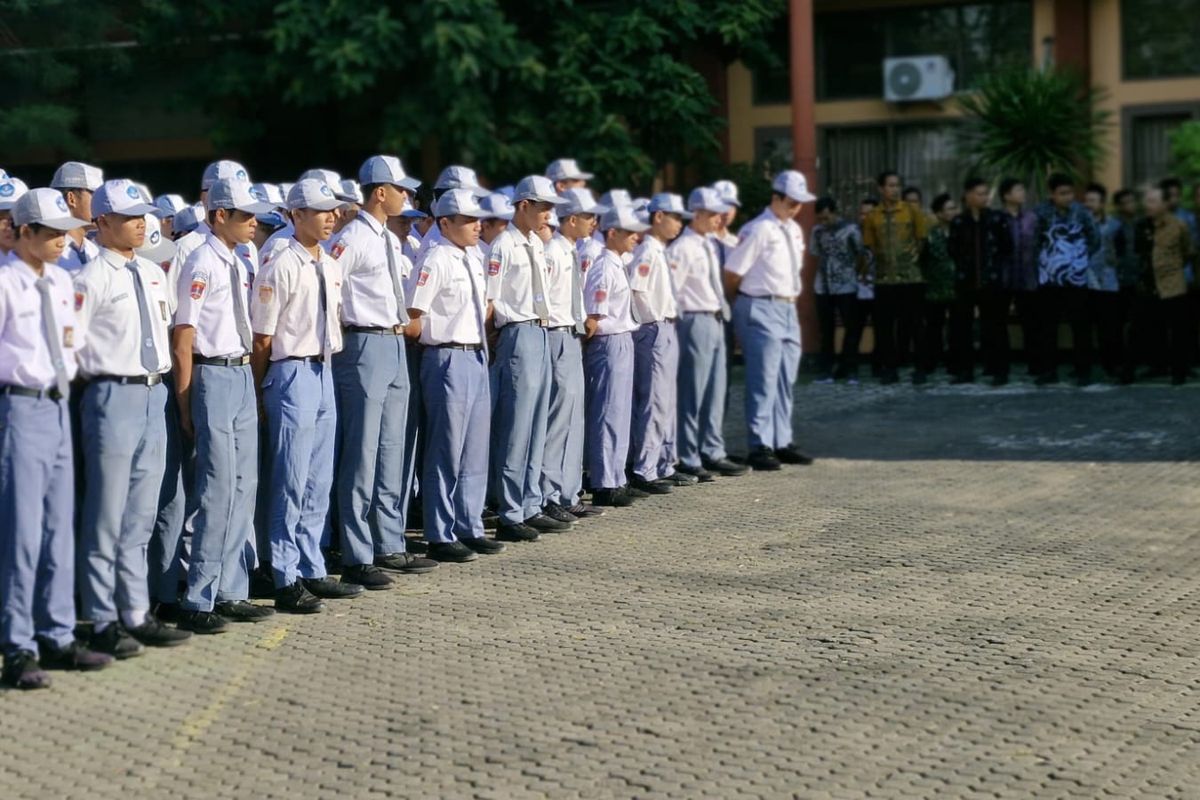
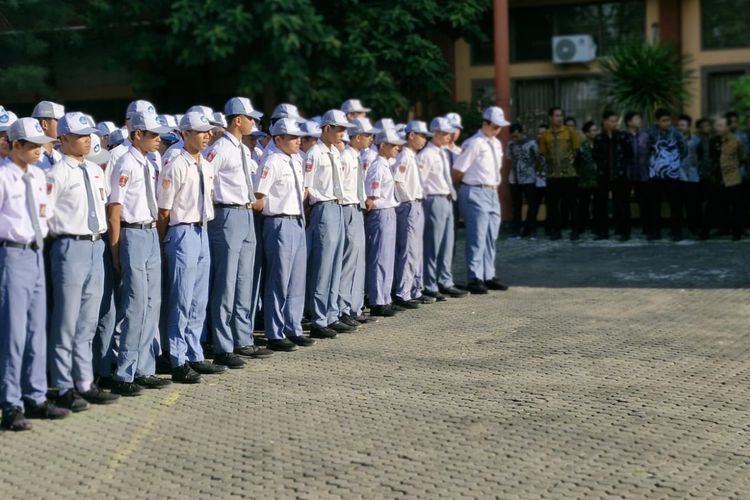
He also highlighted issues concerning the academic foundation of high school graduates.
According to him, some graduates are assessed as lacking adequate foundations in mathematics and science because they did not take supporting subjects that align linearly with their intended fields of study.
This issue needs to be considered when the government decides to reinstate the track system.
Therefore, the new policy must not only rename the scientific groups to tracks but also address the obstacles that emerged during the previous system's implementation.
While acknowledging the hurdles in the implementation of the scientific group system, Totok cautioned the government against hastily reinstating tracks solely to dismantle the previous minister's policy.
He states that changes in the education system should be based on careful considerations and accountable evaluations, rather than simply reverting to an older, seemingly more practical model.
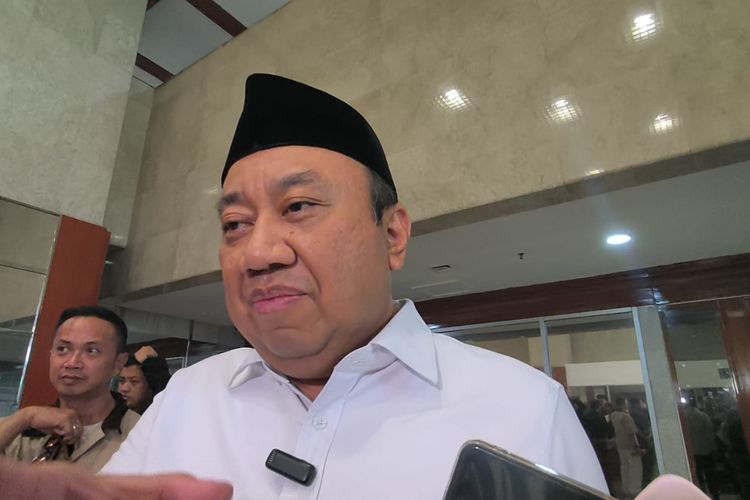
"Policies that reinstate the track system should be made with thoughtful consideration. Do not do it just to erase the legacy of the previous minister or out of nostalgia for an old system that seems more pragmatic," said Totok.
He believes that this plan gives the impression that the direction of education policy can easily change every time there is a change in leadership within the ministry.
On one hand, the current government can act pragmatically by recognizing the gap between the ideals of the Merdeka Curriculum and the schools' readiness to implement it.
However, on the other hand, rapid policy changes can disrupt educational continuity.
Totok reminds that the education sector should not continuously become an 'experimental laboratory' every time there is a change in ministry leadership.
"The impression of changing ministers and changing regulations is only getting stronger," he said.
According to Totok, the inconsistency of policies can have direct impacts on school principals and teachers.
They must continually adapt to administrative changes, undergo retraining, and reorganize teaching schedules.
This situation can lead to fatigue or burnout among educators.
The energy that should be utilized to improve classroom learning quality is instead consumed by the need to adjust to policy changes.
Students and parents may also feel the impact.
Repeated changes in the learning system necessitate continuous adjustments to learning directions and requirements for continuing education to higher institutions.
Further, Totok highlighted the repercussions of curriculum changes on educational quality evaluations.