Indonesia-China Signs MoU Worth Rp 1,300 Trillion on Smart Cities and Job Creation
-
News
-
5 minutes ago
This article was translated by AI. Read the original article on Kompas.com. See Original

TWO parties that have rarely aligned during presidential elections are now sitting together at the same table.
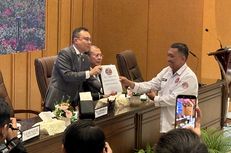
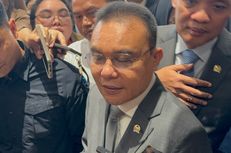
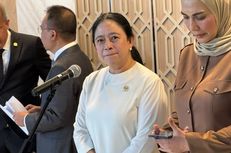
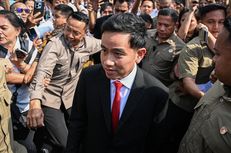
Secretary General of the PDIP, Hasto Kristiyanto, welcomed the invitation from Secretary General of PKS, Muhammad Kholid, to discuss the implications of the Constitutional Court's consideration regarding the educational qualifications of Vice President Gibran Rakabuming Raka (Kompas.com, 25/10/2026).
It is understandable that the public is surprised. Since when could the bull and the crescent moon converse without suspicion?
This astonishment has a long historical foundation. In the 2004 presidential election, PKS backed Amien Rais and then switched to Susilo Bambang Yudhoyono, while PDIP supported Megawati Soekarnoputri.
In 2009, PKS allied with Yudhoyono again while PDIP paired Megawati with Prabowo.
In 2014 and 2019, PKS was aligned with Prabowo against Joko Widodo, who was supported by PDIP, and in 2024, PKS endorsed Anies Baswedan while PDIP supported Ganjar Pranowo.
Apart from the presidential elections, they have frequently clashed ideologically, most notably when PKS opposed the Pancasila Ideology Guideline Bill championed by PDIP in 2020.
However, interpreting this meeting as an anomaly would be mistaken. It reveals the true nature of our party politics, where ideology functions as an electoral identity, while interests become the daily language in the parliament.
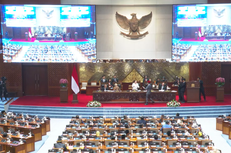
Otto von Bismarck's classic saying that politics is the art of the possible finds its evidence in Senayan.
The more important question is not why they are meeting, but what the art of possibility is being used for: to pave the way for accountability or merely to enhance bargaining power ahead of 2029?
The ideological wall between the two parties is actually thinner than it appears on the national stage.
During the 2010 Surakarta mayoral election, PDIP and PKS jointly endorsed Joko Widodo, a fact that was recalled by PKS faction chair Jazuli Juwaini when opening up the possibility of a coalition with PDIP (Jawa Pos, 12/6/2024).
In several regional elections, from Kulon Progo to Boyolali, they have also shared a boat.
The irony is sharp. Two parties that once helped Joko Widodo launch his executive career are now jointly questioning the legitimacy of his son.
So why has the wall at the center hardened?