
Why Are Coalition Parties Not Competing for the Vice Presidential Seat?
-
News
-
24 minutes ago
This article was translated by AI. Read the original article on Kompas.com. See Original
“It could be smoke, carbon, food, bacteria, radiation—everything really,” he remarked.
Changes in DNA can disrupt the control mechanisms in cells, leading to uncontrolled cell growth and division.
However, exposure to carcinogenic substances does not guarantee that everyone exposed will develop cancer.
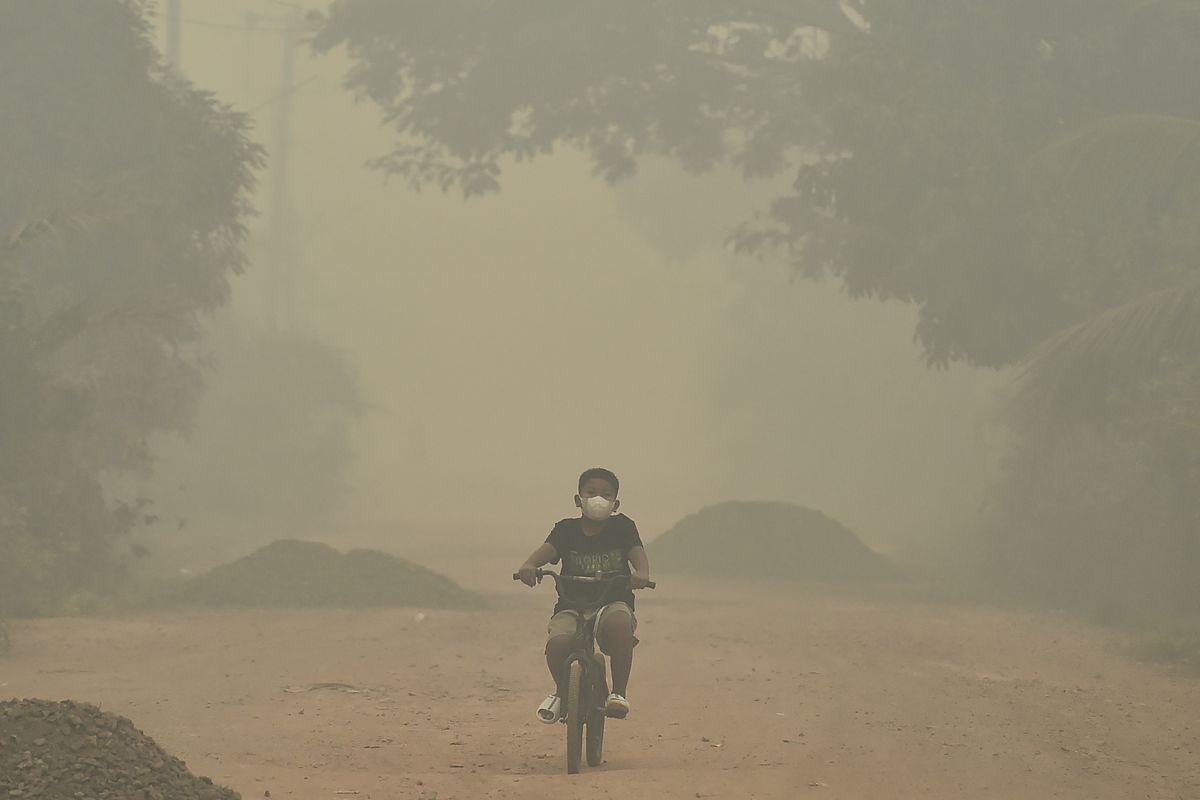
Dicky suggests that the government should not wait for case numbers to spike. According to him, the response to infectious outbreaks should not be reactive but should be based on air quality.
If air quality indicates an unhealthy category, the government should quickly provide services and treatment to the community.
Dicky advises creating smoke-free isolation spaces for vulnerable groups, including infants, pregnant women, the elderly, and those with chronic diseases.
“And distribute properly fitting N95 masks—not surgical masks. Also ensure the availability of oxygen, nebulizers, and pneumonia medications at community health centers (Puskesmas),” he emphasized.
He warned that the burden on health facilities may not be immediate but will almost certainly rise. Typically, the peak in ARI-related hospital visits occurs 1 to 3 weeks after the peak of smoke exposure.
Diseases caused by ARI vary, ranging from pneumonia, lung inflammation, asthma exacerbations, to Chronic Obstructive Pulmonary Disease (COPD).
“Therefore, services in affected areas must be prepared to face this second wave, not just the first wave,” Dicky stressed.
At the family level, management can be done in several ways.
Dimas Dwi Saputro, Secretary of the IDAI Disaster Preparedness Task Force, stated that one method is to reduce outdoor activities.
Creating cleaner air spaces inside homes (by closing windows and doors, using exhaust fans, wet curtains, and aquariums) is also important.
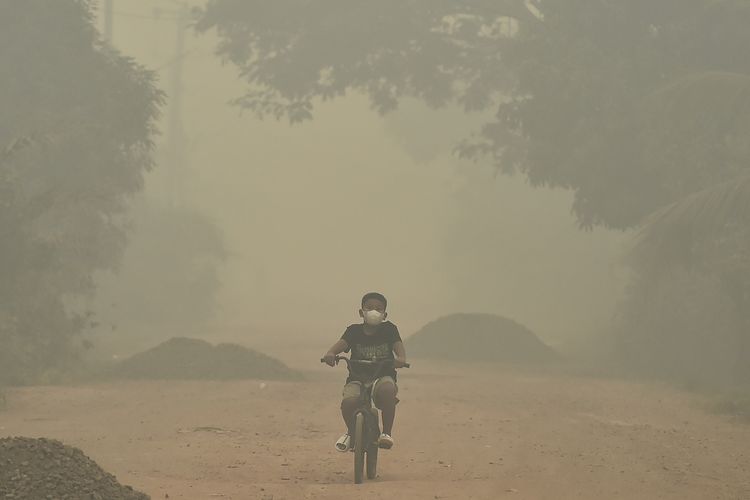
“Use masks if it’s necessary to go outside, drink plenty of water, implement clean and healthy living behaviors, and wash fruits and vegetables before consumption,” he stated.
Additionally, families should prepare disaster response kits, understand evacuation routes, gathering points, and family preparedness plans.
If signs of severity arise—such as severe shortness of breath, retractions in the chest wall, bluish lips, decreased consciousness, or inability to drink—seek medical facilities immediately.
Recognizing deteriorating air pollution conditions, smoke entering homes, or fires threatening settlements is as crucial as recognizing a child’s condition.
“For infants, seek medical facilities if their breathing quickens or appears labored, lips turn blue, they refuse to drink, or experience convulsions. In adults, chest pain or weakness on one side of the body are emergency signs,” Dicky firmly advised.
He emphasized that the most important thing is to stop the source of the fire. Dicky recognizes that tackling forest and land fires, especially in peatland areas, is quite challenging and presents its own set of obstacles.
However, public health also needs to be prioritized.
“Healthcare services can only mitigate impacts, not solve the problem. Smoke from karhutla is not just an ISPA issue; it can also trigger asthma attacks, irritate eyes and skin, worsen heart disease, and pose risks to pregnant women,” Dicky concluded.