
At the ASEAN Summit, Prabowo: Future Challenges Demand We Grow Stronger
-
News
-
1 minute ago
This article was translated by AI. Read the original article on Kompas.com. See Original
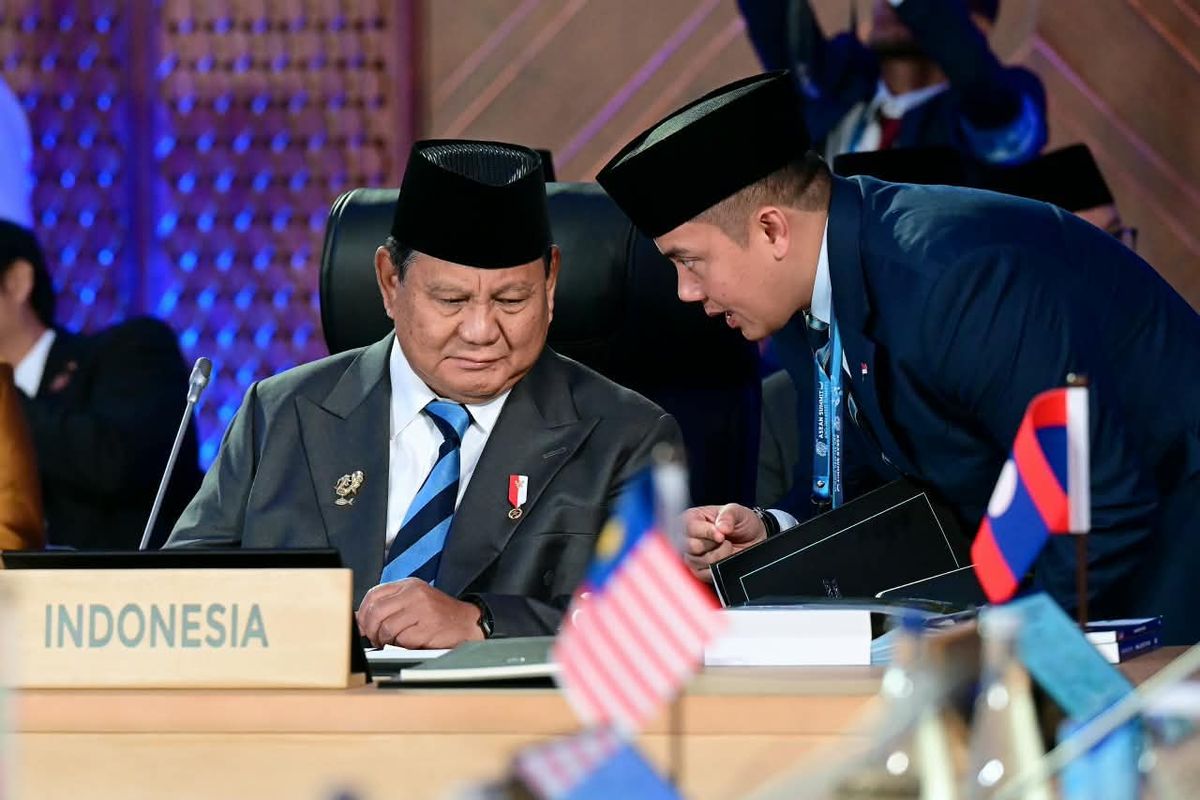
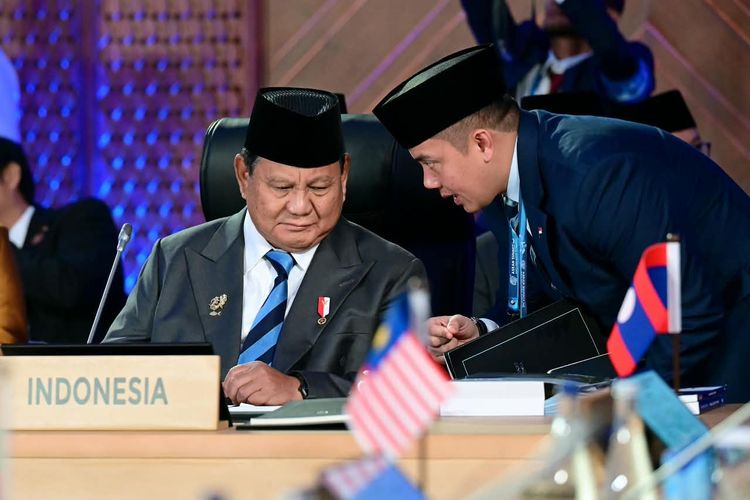
JAKARTA, KOMPAS.com - Indonesian President Prabowo Subianto stated that ASEAN countries need to strengthen regional resilience and unity in facing various global challenges, including economic pressures, geopolitical tensions, and resource competition.
He reminded that next year ASEAN will mark its 60th anniversary.
According to him, over six decades, regional cooperation has played an essential role in maintaining peace, ensuring stability, and achieving prosperity.
“Currently, ASEAN is home to about 700 million people, with a combined economy exceeding 4 trillion USD. We have come a long way. However, the challenges ahead require us to become much stronger, more capable, more united, and more resilient,” Prabowo said in a press release from the Presidential Secretariat on Sunday (15/11/2026).
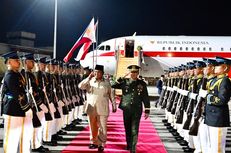
Prabowo made this statement during the plenary session of the 49th ASEAN Summit at the Philippine International Convention Center (PICC) in Pasay, Manila, Philippines.
Prabowo assessed that various achievements need to be accompanied by strengthening ASEAN's capacity to better face global dynamics.
He expressed that the ability to tackle these challenges must start from each country's strength in meeting its needs and ensuring the well-being of its citizens.
“This strength must begin from within our own region. We believe that only by empowering our own people can we contribute more significantly on the multilateral stage,” he stated.
In efforts to build regional resilience, Prabowo prioritized food security, energy independence, as well as water security and management.
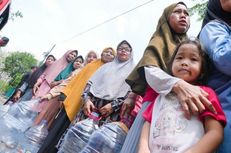
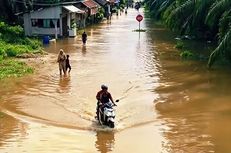
Prabowo explained that water availability poses a unique challenge for the region, whether faced with scarcity or excess water that can trigger disasters.
“For us, food and energy are top priorities, as well as water security and management. In our region, water can sometimes be scarce, yet at other times, it arrives in abundance, leading to disasters,” Prabowo detailed.
He also outlined Indonesia's steps to strengthen energy independence through achieving the B50 biodiesel program and developing solar energy with a capacity of 100 gigawatts.
Additionally, Prabowo noted that the Indonesian government continues to invest in human resource development through education, healthcare services, and domestic industry development.
“In the energy sector, we have successfully realized the B-50 biodiesel program and are currently developing solar power with a capacity of 100 gigawatts. This will contribute to greater energy independence and cleaner energy,” he elaborated.
Furthermore, Prabowo emphasized that ASEAN countries have significant potential to strengthen mutual resilience through rich natural resources, productive land, industrial growth, and a vast domestic market.
“When combined, these strengths can enhance regional production, secure food reserves, and ensure a reliable energy supply. However, we must cooperate harmoniously,” Prabowo remarked.
Meanwhile, in the realm of digital economy, Prabowo views the ASEAN Digital Economy Framework Agreement (DEFA) as a significant opportunity to spur regional economic growth.
This framework has the potential to unlock a 2 trillion USD digital economy for ASEAN by 2030.
“With the potential to unlock a 2 trillion USD digital economy by 2030, this agreement can provide real benefits for our businesses, create better prospects for workers, and empower our youth,” Prabowo stated.
“Indonesia fully supports East Timor's aspiration to chair ASEAN in 2029. Their successful first presidency will be a collective success for ASEAN,” he added.