

BNPB: 588 Houses Damaged Due to Extreme Weather in West Bandung
-
News
-
4 minutes ago
This article was translated by AI. Read the original article on Kompas.com. See Original
Each program should also have sources of funding, implementation schedules, and escalation paths when obstacles arise.
This way, coordination should not stop at meetings and agreements but become a mechanism for resolving traceable issues.
The second step is to build a results-based evaluation system. Success should not be measured merely by the number of joint activities, frequency of meetings, or the extent of budget utilization.
Evaluations must assess whether programs are on schedule, whether cross-institutional obstacles have been resolved, whether facilities function, and whether public services improve.
Simultaneously, collective assessments must not obliterate individual accountability. Each institution must still clarify the execution of duties within its authority.
The “whole-of-government” approach offers a relevant framework. Policies involving multiple sectors require shared objectives, inter-organizational coordination, and interconnected performance measures.
However, integration does not mean that all authority is merged into a single agency. Instead, effective coordination allows each institution to exercise its competencies while not overlooking the impact of decisions on other institutions.
For the BNPPDT, its strategic role lies in ensuring that planning, budgeting, execution, and evaluation move in the same direction.
Ultimately, the success of civil-military synergy should be assessed by the quality of governance, not by the identity of the institution leading.
The TNI can make significant contributions through its defense and operational capabilities, while civil institutions continue to execute administrative and technical mandates in accordance with legal statutes.
Both can mutually reinforce each other when their responsibilities are clear, oversight mechanisms function, and their outputs can be verified.
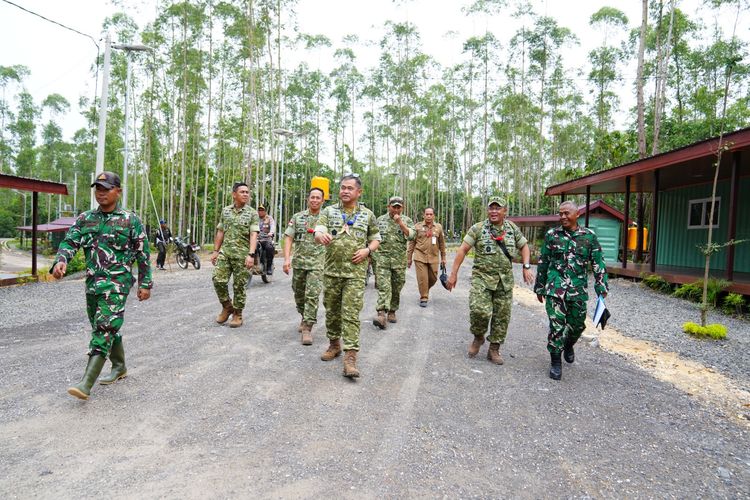
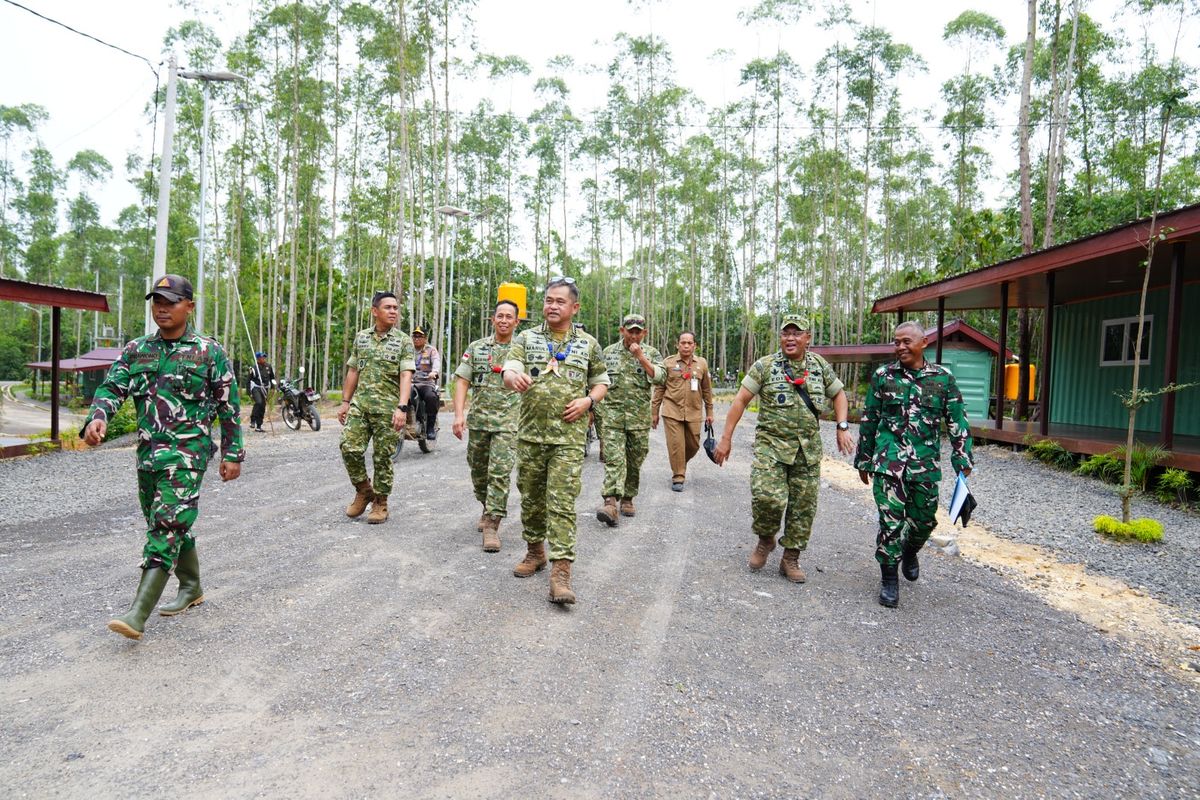
The assignment of TNI General Maruli Simanjuntak in the BNPPDT presents an opportunity to improve coordination in border management.
However, changes in leadership will only matter if accompanied by improved operational rules, clearly defined responsibilities, and consistent evaluation systems.
The state does not need institutions that usurp functions from one another, but rather institutions that understand their mandates and can work together to achieve national goals.
Effective synergy is not about erasing boundaries of authority but about clearly understanding those boundaries so that collaboration can happen more effectively.
In border management, legal certainty and accountability are not obstacles to speed. Instead, they form the foundation for ensuring that state power can be utilized accurately, professionally, and sustainably.
If at the borders all institutions want to be commanders and no one wants to be the recorder, then what is lost is not just the budget, but accountability.
The strength of civil-military synergy is not measured by how many uniforms are visible in PLBN, but by how clear it is about who needs correction when roads remain bumpy, schools remain empty, and signals remain weak.