

Rumors Emerge That Jeff Bezos Wants to Fund the Relocation of the Javan Rhino
-
News
-
10 minutes ago
This article was translated by AI. Read the original article on Kompas.com. See Original
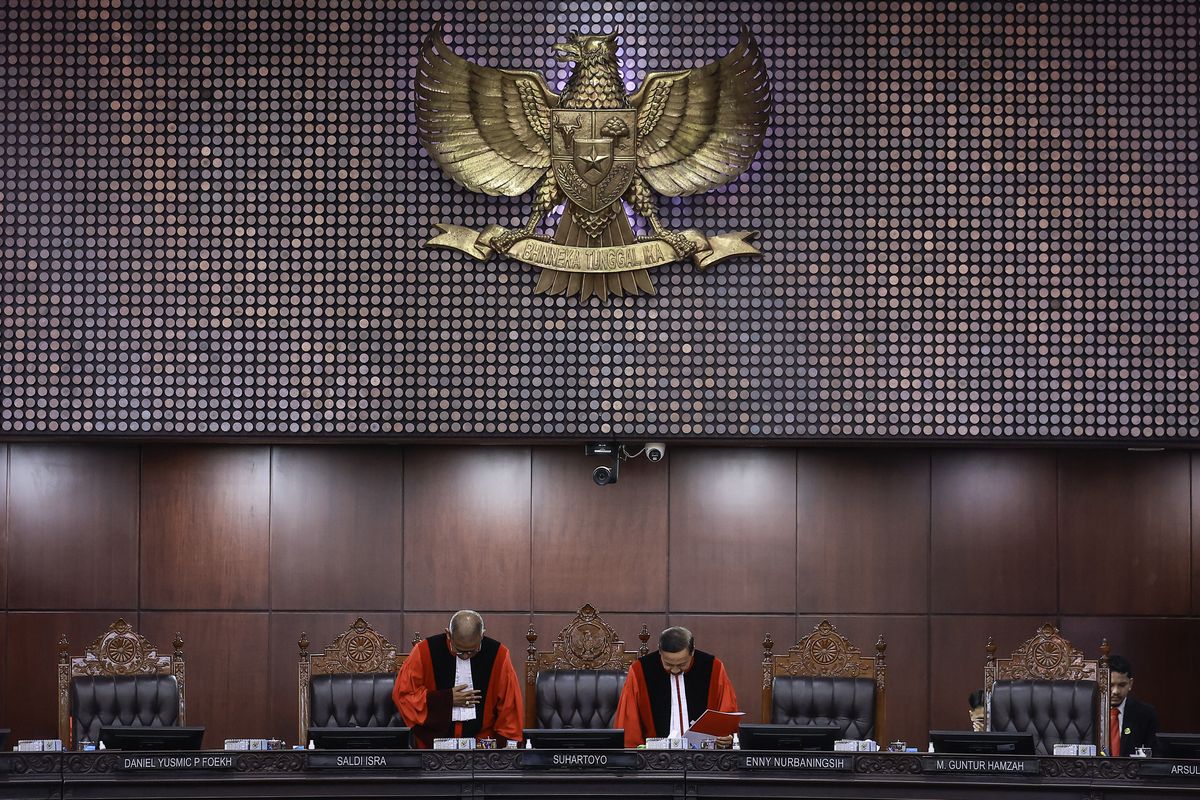
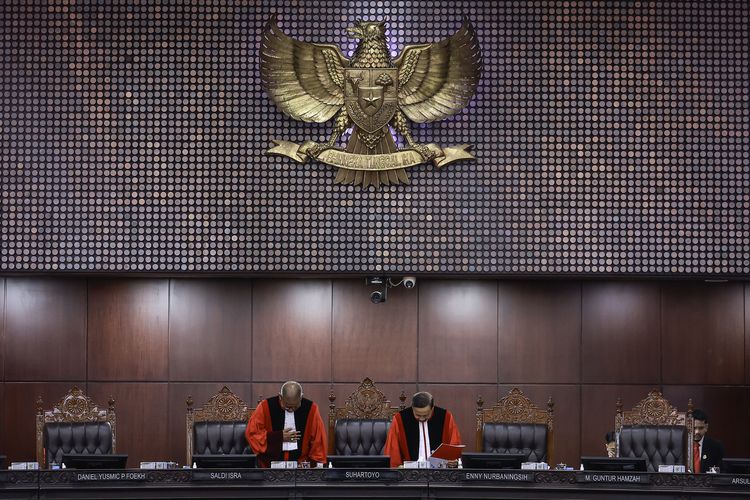
Likewise, "no longer meeting the requirements" must be proven through the mechanisms of Article 7B in stages: the DPR provides an opinion, the Court examines and rules on the DPR's opinion, then the DPR can propose dismissal to the MPR, and the MPR decides.
Therefore, we cannot simply conclude this ruling by stating "the petition cannot be accepted", as this is merely a question of legal standing.
Meanwhile, the substance of the petition is that the educational qualifications were not met by a candidate for vice president from the beginning of his candidacy to his current position, as proven neither by the relevant officials nor by Gibran himself.
If that requirement is later found unmet, then there are legal consequences, indicating that the Vice President "no longer meets the requirements" under the provisions of Articles 7A and 7B of the 1945 Constitution.
Indeed, this ruling does not order Gibran to resign from his position as vice president.
However, the findings in the Constitutional Court hearings can serve as a source of ethical awareness for a vice president to consider resignation.
The ruling 01/PHPU.PRES-XXIV/2026 procedurally has met all requirements, and substantively has made everything that the public wishes to know about their vice president clear.
Therefore, we must not reduce this ruling to just its decision but also consider its legal rationale.
What remains from this ruling are two responsibilities. The ethical obligation for officials to transparently account for their nomination documents.
And the constitutional obligation for the DPR to decide whether these serious findings by the Court are sufficient reason to initiate the mechanisms outlined in Articles 7A and 7B.
Without that, we allow the vice presidency to stand on documentation that remains unproven even in the Constitutional Court itself.


















