

Rumors Emerge That Jeff Bezos Wants to Fund the Relocation of the Javan Rhino
-
News
-
10 minutes ago
This article was translated by AI. Read the original article on Kompas.com. See Original
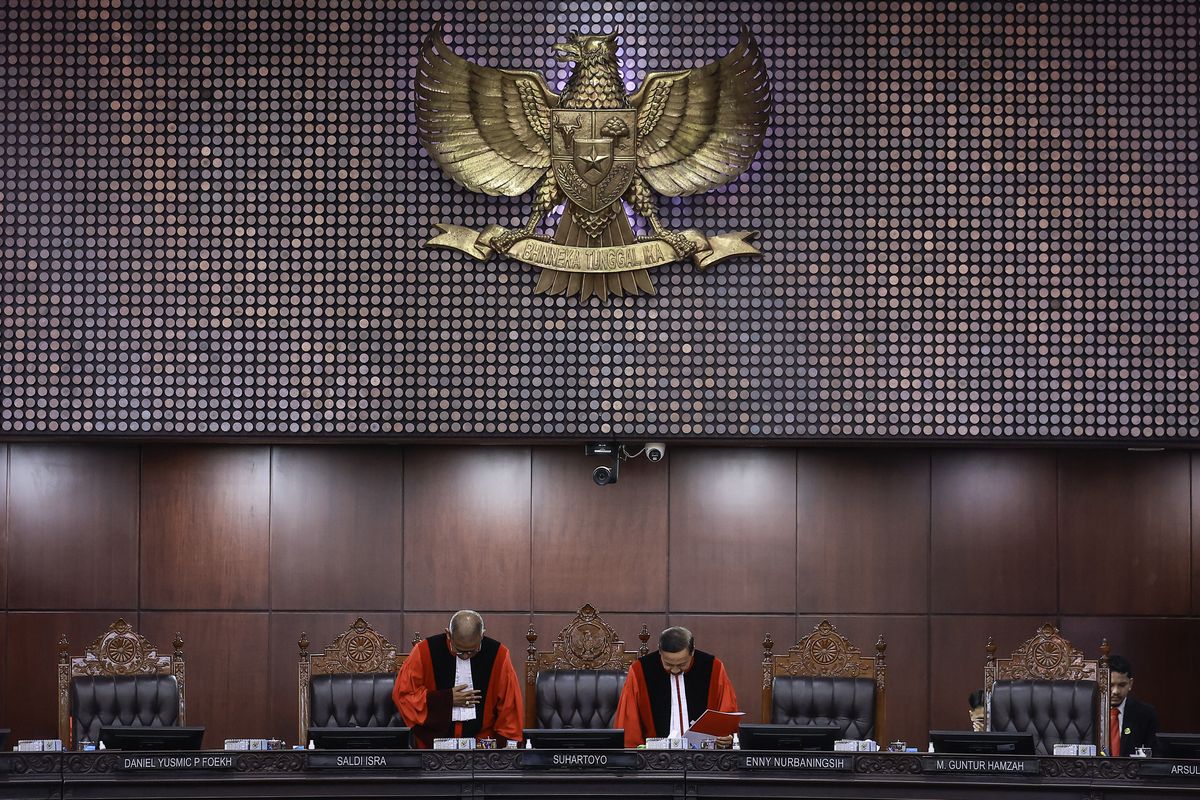
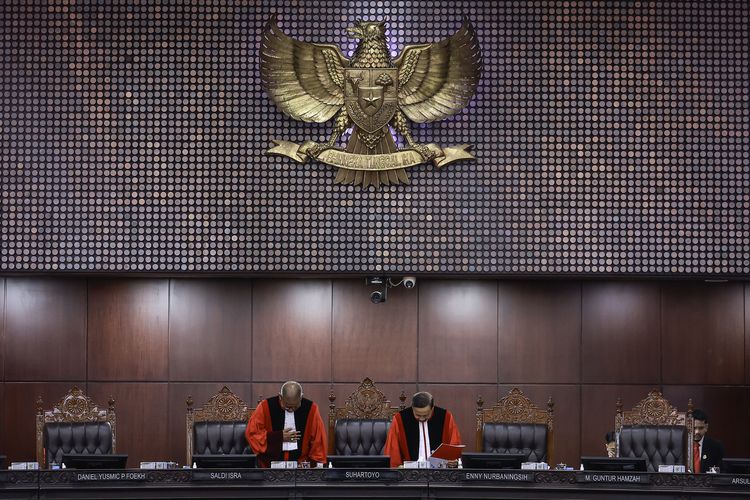
When the Court, as the guardian of the constitution, writes the phrase "no convincing evidence found", this is not an obiter dictum that can be ignored. It is a factual finding in the highest constitutional forum.
Article 169 letter r of the Election Law is a formal requirement that cannot be replaced by popularity or electability.
The KPU should verify graduation documents from secondary schools, not documentation of knowledge equivalence.
If the basis for equivalence is merely attendance, then the completeness of documents should be factually verified.
The KPU has indeed created an exception clause in Article 18 paragraph (3) PKPU Number 19 of 2023. This article was also examined in the Constitutional Court proceedings, and the KPU deliberately "smuggled" that article to allow nominations for candidates without high school diplomas or equivalents. As a result, the legality of the nomination is called into question.
The Constitutional Court's ruling, when viewed from the ruling itself, does not seem to order anything. However, when read in full, the Court actually provides notification to the relevant authorities as per the 1945 Constitution, namely the DPR, to utilize its authority.
Although the constitutional route is open, it is advisable that this serves as an important ethical lesson for state officials. We have MPR Decision No. VI/MPR/2001 regarding National Life Ethics that remains in effect.
This MPR Decision demands officials and political elites behave with honesty, trustworthiness, sportsmanship, readiness to serve, greatness of spirit, exemplary character, humility, and readiness to resign from political positions if proven to have committed errors and if their policies morally contradict the law and societal sense of justice.
Moreover, the governance ethics in that MPR Decision mandates that state organizers possess a high sense of concern in providing public service, ready to resign if they feel they have violated norms and values or are considered incapable of fulfilling the trust of society, nation, and state.
In this context, an official does not need to wait for a court ruling. What is needed is awareness.
The standard is actually quicker than impeachment: to openly disclose all educational documents to the public.
If that explanation fails to make sense, then resignation becomes an honorable path to uphold the dignity of the presidency.
For example, if the ethical route does not provide awareness, then the constitutional route may be pursued.
Article 7A of the 1945 Constitution opens two doors. First, the door of legal violations such as treason against the state, corruption, bribery, serious crimes, or disgraceful acts. Second, if proven to no longer meet the requirements as president/vice president.
Allegations of document fraud could be categorized as "disgraceful acts" if formulated and proven through legal processes.


















