

Rumors Emerge That Jeff Bezos Wants to Fund the Relocation of the Javan Rhino
-
News
-
10 minutes ago
This article was translated by AI. Read the original article on Kompas.com. See Original
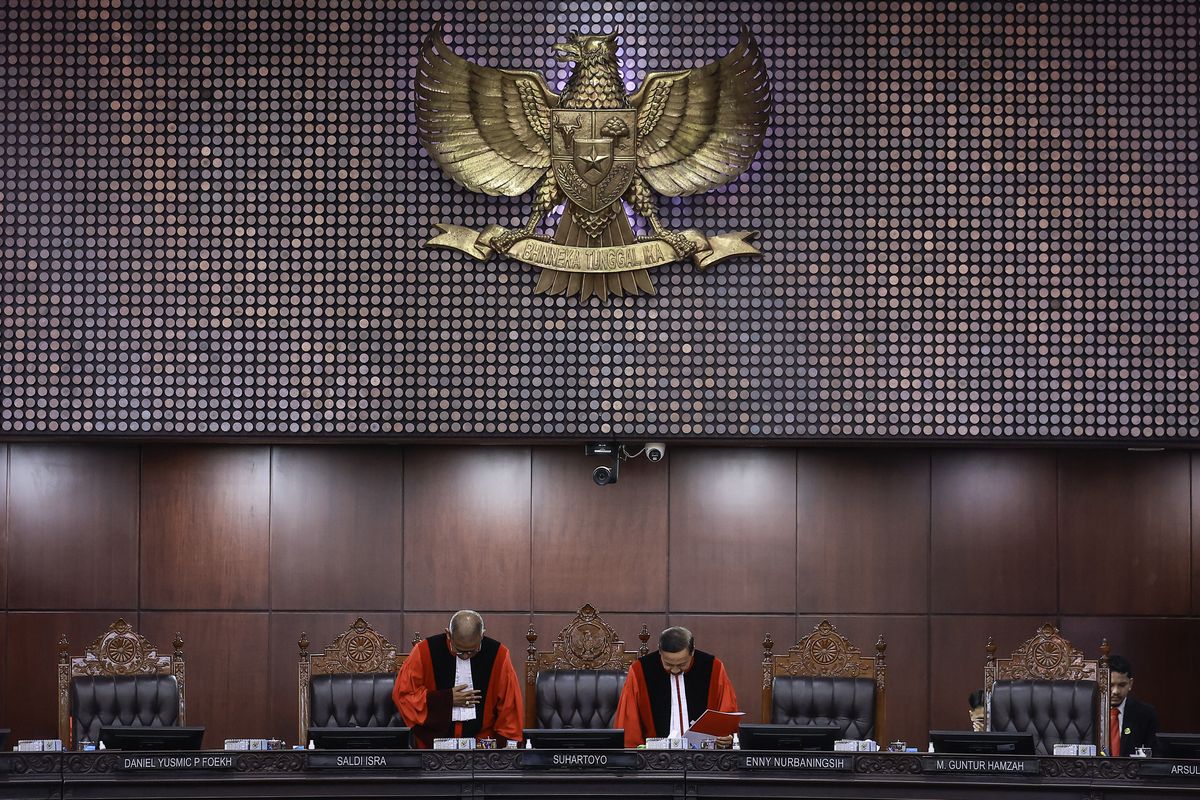
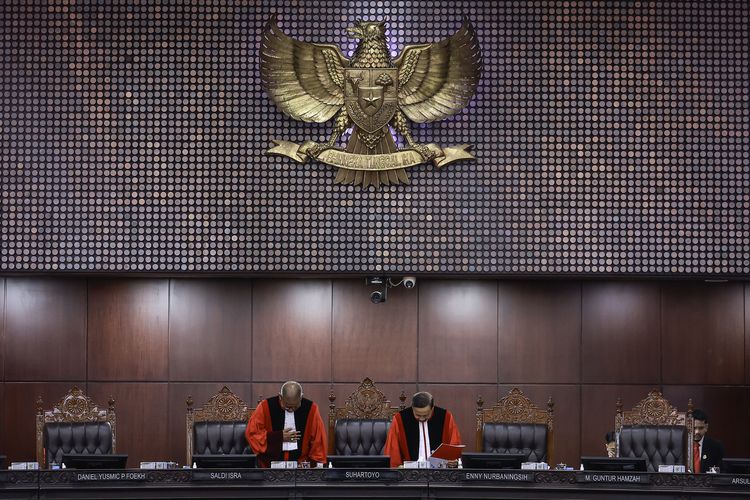
VERDICT The Constitutional Court's ruling Number 01/PHPU.PRES-XXIV/2026, announced on October 6, 2026, is a dangerous decision if read partially.
Those who only read the ruling would cheer: the petition is dismissed, the case is resolved.
However, those who read the considerations will demand: the educational qualifications of the vice president have not been proven.
In my opinion, this ruling must be read in its entirety. It is true that the ruling states "cannot be accepted", but the legal considerations actually contest the matter. Between the two, our constitution is being tested.
First, why did the Court reject it? The answer is not because Gibran Rakabuming Raka's educational documents were declared valid. The Court rejected it due to procedural issues.
Two limitations prevented the disqualification petition against Gibran from being granted: legal standing and the object of the petition.
First, the petitioners, Denny Indrayana and colleagues, are not a pair of candidates in the 2024 presidential election. Under the regime of Election Result Disputes, they do not possess legal standing.
Second, Gibran is no longer a candidate and has taken the oath as Vice President. The PHPU route is not designed to disqualify serving officials.
That is why the ruling states NO: cannot be accepted. This is a classical rule of procedural law. Such decisions never disregard substance; they merely close a legal avenue.
The Court is aware of this. Therefore, in its ruling, the Court explicitly shifted the substantive assessment to the authorities defined by the 1945 Constitution, namely the DPR and MPR, using the provisions laid out in impeachment.
Second, why are the legal considerations a serious matter? After closing the PHPU route, the Court has opened up factual records that are significant.
In its considerations, the Court states that it has examined all court evidence and found no document indicating that Gibran possesses a diploma, certificate, or degree proving he completed education abroad equivalent to high school or its equivalent, as required by Article 169 letter r in conjunction with Article 227 letter l of Law No. 7 of 2017.
Certificates of Attendance, Academic Records, and Explanations of Grades that form the basis for Equivalence Certificate No. 9149/D.D1/KS/2019 are deemed to only indicate attendance, not graduation.
Moreover, the official who issued the equivalence letter could not produce graduation documents from abroad that have been equated.
Doctrinally, indeed, the ruling carries executory force. However, the considerations provide the rationale that explains the meaning of the ruling.


















