

Cak Imin Encourages Pesantren-Based Vocational Schools to Elevate Standards to International Levels
-
News
-
2 hours ago
This article was translated by AI. Read the original article on Kompas.com. See Original
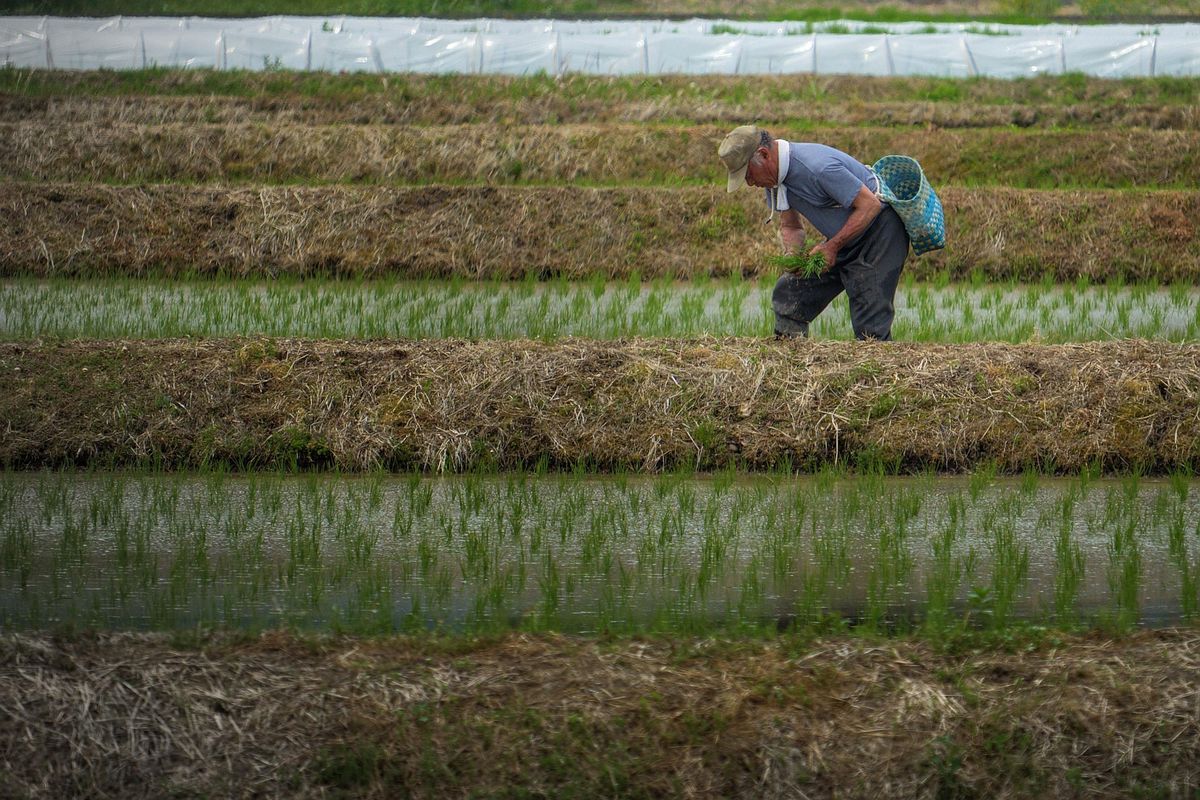
Thus, the ability to trace products back to farmers will become increasingly important.
Digitalization is not just a marketing tool; it is the infrastructure linking upstream and downstream.
Another often overlooked link is research and innovation. Downstream processes will not be sustainable if they rely solely on existing technology.
We need innovations in seeds, cultivation technology, post-harvest technology, processing, packaging, preservation, energy efficiency, and the development of new derivative products.
Research should not stop at scientific publications; it must be translated into technologies that can be utilized by farmers and industries.
Herein lies the importance of building an innovation-based agro-industrial ecosystem.
Agricultural downstream processes should also not be centralized in major industrial zones.
Each region has superior commodities that can be developed into local economic ecosystems.
With this approach, downstream processing also becomes a regional economic development strategy.
At this point, downstream processing acquires an equity dimension.
Downstream processing is not merely about moving raw materials to factories but also about bringing industries closer to production sources and adding value for communities.
Indonesia must learn from various experiences of commodity-based industrialization. The mistake to avoid is pursuing partial downstream processing.
If this condition occurs, then downstream processes will not build an ecosystem.
We only create new standalone links. Therefore, the success of downstream processing should be measured more comprehensively.
If all the links are interconnected, Indonesia will not only produce commodities but also create value chains.
This condition distinguishes commodity-producing countries from value-creating ones. Indonesia has all the prerequisites to move in that direction.
In the end, agricultural downstream processes must be positioned as a national economic transformation agenda.
The goal is not just to make agricultural products more expensive but to ensure the entire agricultural ecosystem is more productive and valuable.
Thus, the future of agricultural downstream processes in Indonesia truly lies not only in factories but also in our ability to build strong bridges between upstream and downstream.
For downstream processes without a strong upstream will lose raw materials; upstream without robust downstream will lose added value. Both must be developed simultaneously.
Indonesia should no longer pride itself solely on being a country rich in commodities.
We must become a country capable of transforming the wealth of commodities into products, industries, technologies, brands, exports, and prosperity. The key to downstream processes is not merely building more factories but establishing a complete ecosystem.