

Cak Imin Encourages Pesantren-Based Vocational Schools to Elevate Standards to International Levels
-
News
-
2 hours ago
This article was translated by AI. Read the original article on Kompas.com. See Original
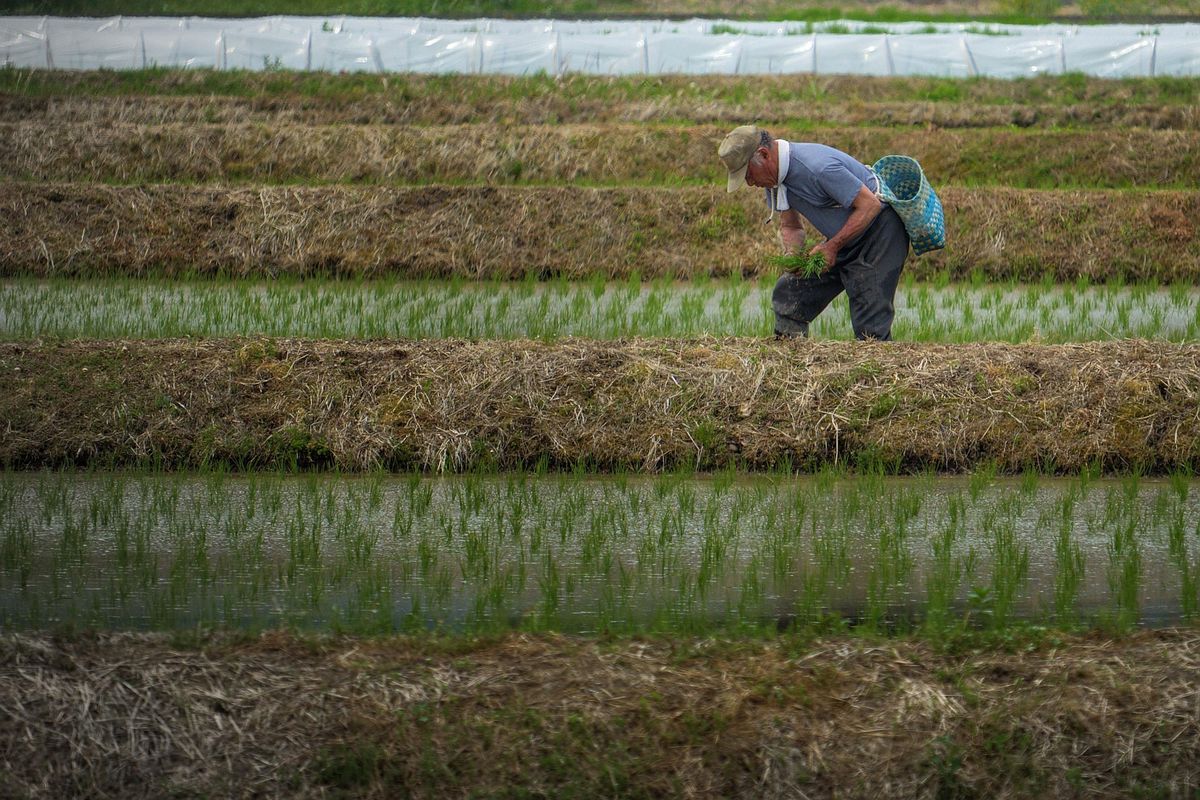
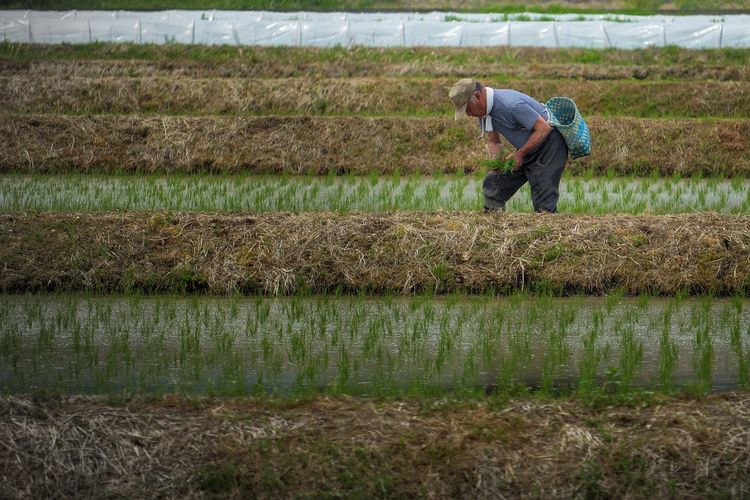
Conversely, when farmers, cooperatives, MSMEs, industries, banking, government, universities, research institutions, and markets are interconnected within one ecosystem, downstream processes can become a driver of economic transformation.
We often focus too much on downstream industry and forget that the competitiveness of the industry is significantly determined by the quality of the upstream sector. Processing industries require three things: quality, quantity, and continuity of raw materials. These cannot arise spontaneously.
If farmers have low productivity, raw material costs will be high. If the quality of commodities is inconsistent, sorting and processing costs will rise.
If production is seasonal without storage facilities, industries will struggle to maintain continuity in production. As a result, processing industries become less competitive.
Therefore, the agenda for downstream processing should begin with the readiness of the upstream sector to supply the industry consistently and competitively.
This condition implies that policies regarding seeds, fertilizers, irrigation, mechanization, research, guidance, financing, and farmer institutions are indeed part of the downstream processing policy.
In other words, upstream policies are downstream policies.
There is one issue that needs attention: an increase in downstream value does not automatically raise farmers' incomes upstream.
Packaged coffee products can be sold at high prices, but coffee farmers may not receive a proportional share of the value.
Premium chocolate may be priced many times higher than cocoa beans, but cocoa farmers may not see a corresponding increase in income.
Therefore, downstream processes must strengthen farmers' bargaining positions.
Cooperatives, farmer corporations, contract farming, industrial partnerships, and schemes for joint ownership of processing facilities need to be expanded.
Farmers do not need to control the entire downstream industrial chain; however, they must have bargaining power and mechanisms to enjoy the added value that is created.
This is a crucial principle in building a downstream ecosystem. Added value can be created downstream, but the economic benefits must flow back upstream.
A downstream ecosystem will not function without financing. Unfortunately, the financing system often still regards farmers, MSMEs, cooperatives, and industries as standalone entities. In fact, what needs financing is the value chain.
Farmers need production financing. Cooperatives need capital for aggregation and storage.
MSMEs require capital for processing and packaging. Industries need investment financing. Exporters need trade financing.
With a value chain financing approach, risks can be managed better since financing is not only based on the assets owned by the entrepreneurs but also on transaction certainty and relationships between stakeholders within the value chain.
Bank Indonesia’s macroprudential policies that provide incentives for banks to lend to the agriculture, industry, and downstream sectors should be directed to extend beyond large companies to reach economic actors at the upstream level.
Because a factory lacking raw materials will not be productive, while farmers without market access will not gain optimal benefits.
The modern downstream ecosystem also requires digitalization.
Digitalization can be used to build traceability, connect farmers with buyers, predict raw material needs, monitor prices, manage stock, enhance logistics efficiency, and expand marketing.
In modern food and agricultural industries, consumers are increasingly asking not just about price.
They are more concerned about product origins, quality, food safety, sustainability, and certification.