

Prabowo Instructs Renovation of All Community Health Centers and Every District to Have a Good Hospital
-
News
-
16 minutes ago
This article was translated by AI. Read the original article on Kompas.com. See Original
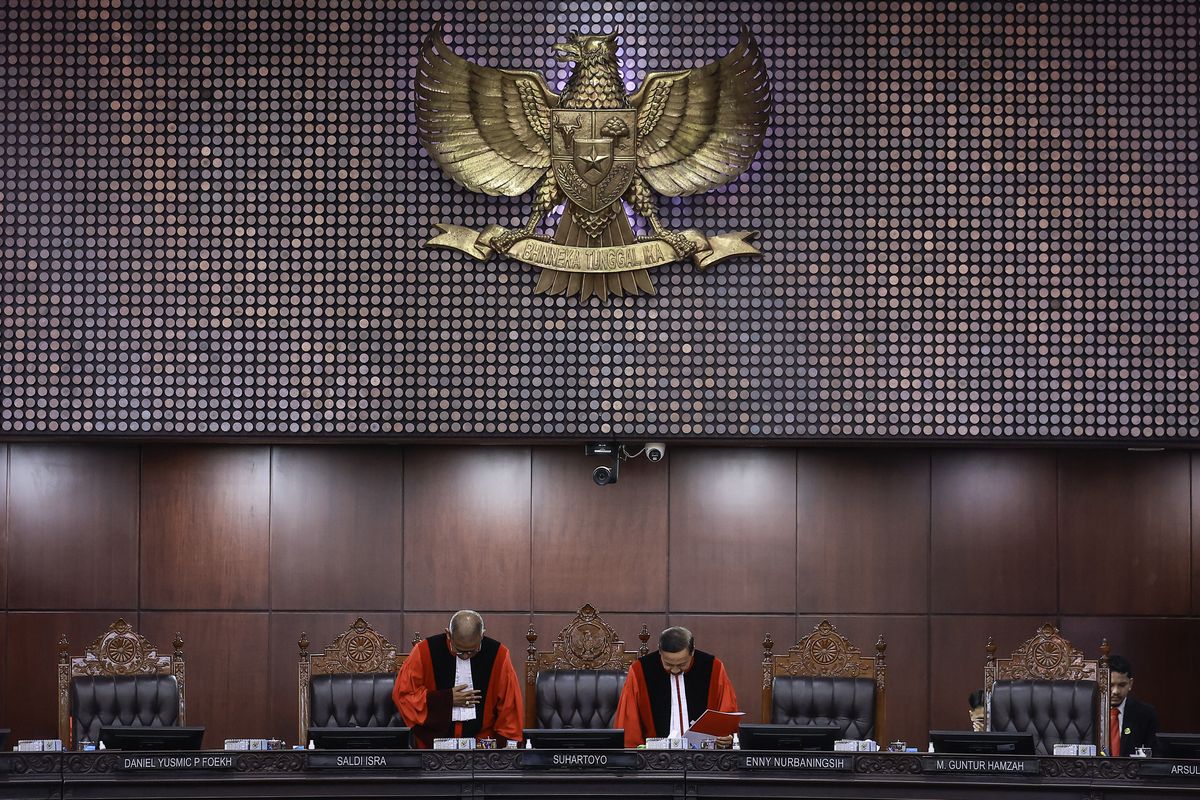
This underscores the importance of ensuring that the Court's ruling not only provides legal certainty but also prevents constitutional mechanisms from experiencing any potential void.
The finality of the Court's decision should not be construed as an end to all possibilities of constitutional accountability.
Rather, when an individual's legal status transforms from candidate to official, the resolution mechanism must also transition from an electoral dispute to a mechanism of accountability structured by the 1945 Constitution.
Ultimately, this case serves as a crucial lesson for Indonesia's constitutional law: legal standing should not be viewed solely as a formal issue of who may submit a case but should also be assessed concerning the protection of constitutional rights and the availability of effective legal remedies.
If indeed no evidence of the required qualifications is found, then the issue cannot merely stop at the question of “who is entitled to file a suit”.
The more fundamental inquiry is: does the constitution provide a pathway to follow up on the findings?
According to the design of the 1945 Constitution, there are mechanisms in Articles 7A and 7B. The DPR can serve as the entry point of the process, while the Court resumes its constitutional function to examine and decide on the DPR's opinion.
With such a framework, a constitutional vacuum does not occur: the Court does not usurp the authority of the DPR/MPR, yet it does not allow constitutional findings to lose their possibility for follow-up action.

























