

Bullying in Malang, Minister PPPA: No Child Should Lose Their Life Due to Violence
-
News
-
3 minutes ago
This article was translated by AI. Read the original article on Kompas.com. See Original
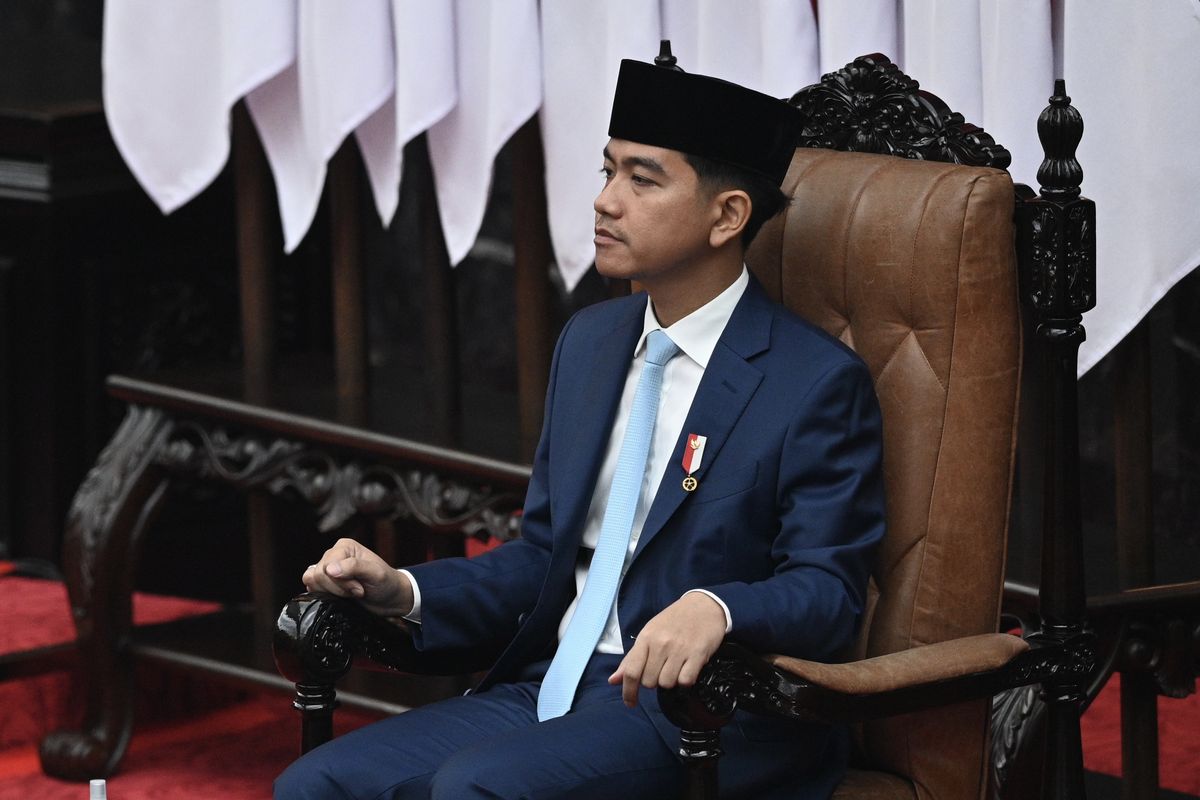
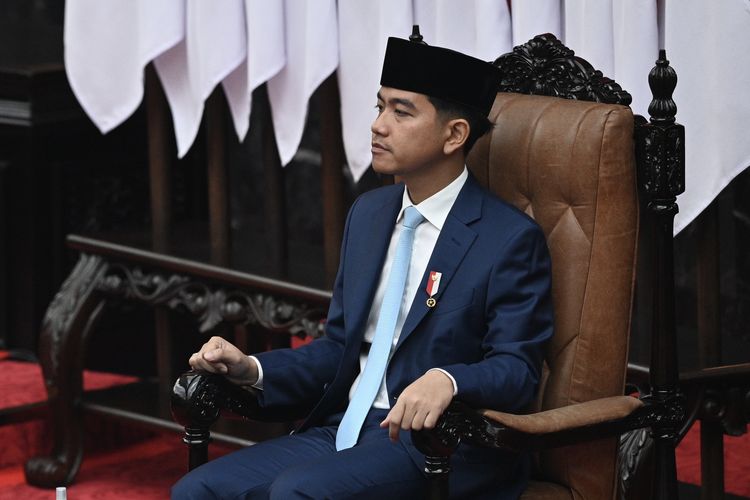
CONSTITUTIONAL Court has concluded the case regarding the educational qualifications of Vice President Gibran Rakabuming Raka with a ruling that sounds ordinary: the petition is not accepted.
However, behind that ruling lies reasoning that is far from ordinary. The Court stated it found no convincing evidence that Gibran possesses foreign diplomas equivalent to a high school graduation, while simultaneously confirming that it cannot disqualify him since the electoral dispute regime has ended with his inauguration on October 20, 2024.
This decision has given rise to a paradox. Both sides celebrate. Gibran's supporters are relieved that his position is unscathed, while the petitioners are pleased because the facts they presented were acknowledged by the judges.
This very paradox needs to be analyzed clearly. Legally, Gibran is safe. Yet in terms of legitimacy, he bears a burden that will not dissipate merely because the ruling did not state disqualification.
This article begins from a simple thesis: Gibran's fate is no longer determined in the courtroom but in the political and ethical arena.
More importantly, this case is not solely about the fate of one individual. It reflects how cleanly the state conducts processes that shape Indonesia's direction.
From a legal standpoint, Gibran's position is indeed strong. Mahfud MD had long warned that the Court does not have the authority to disqualify someone who has already been elected, and the validity of educational documents falls under the jurisdiction of administrative law.
The actions and policies of Gibran during his tenure are also deemed valid based on the principle that officials' decisions are considered correct until overturned.
In the end, the Court chose a path predicted by Mahfud: acknowledging the factual considerations without imposing consequences in the ruling.
For his supporters, this ruling also affirms that the lawsuit was filed too late and by non-participants of the election, concluding the narrative around the annulment of results here.
Zainal Arifin Mochtar reads between the lines. He sees this case as an opportunity for the Court to repay its “debt” from Ruling 90, which allowed Gibran to pass based on an age limit interpretation, ultimately leading to the removal of the Court's chairman at that time.
Using his metaphor, the debt has only been partially repaid. The Court acknowledges there is a problem, but its resolution is delegated to other institutions.
The practical implication, according to Zainal, is that Gibran's path to 2029 is nearly blocked, unless he can present his diploma.
This raises the most pressing question: is this fact sufficient for impeachment?
Article 7A of the 1945 Constitution provides two relevant doors: “no longer meets the requirements” and “unseemly conduct.” Both are not easy to navigate.
























