
The Vice Presidency: A Political Test for Prabowo and the Contest Between Amran and Sugiono
-
News
-
1 minute ago
This article was translated by AI. Read the original article on Kompas.com. See Original
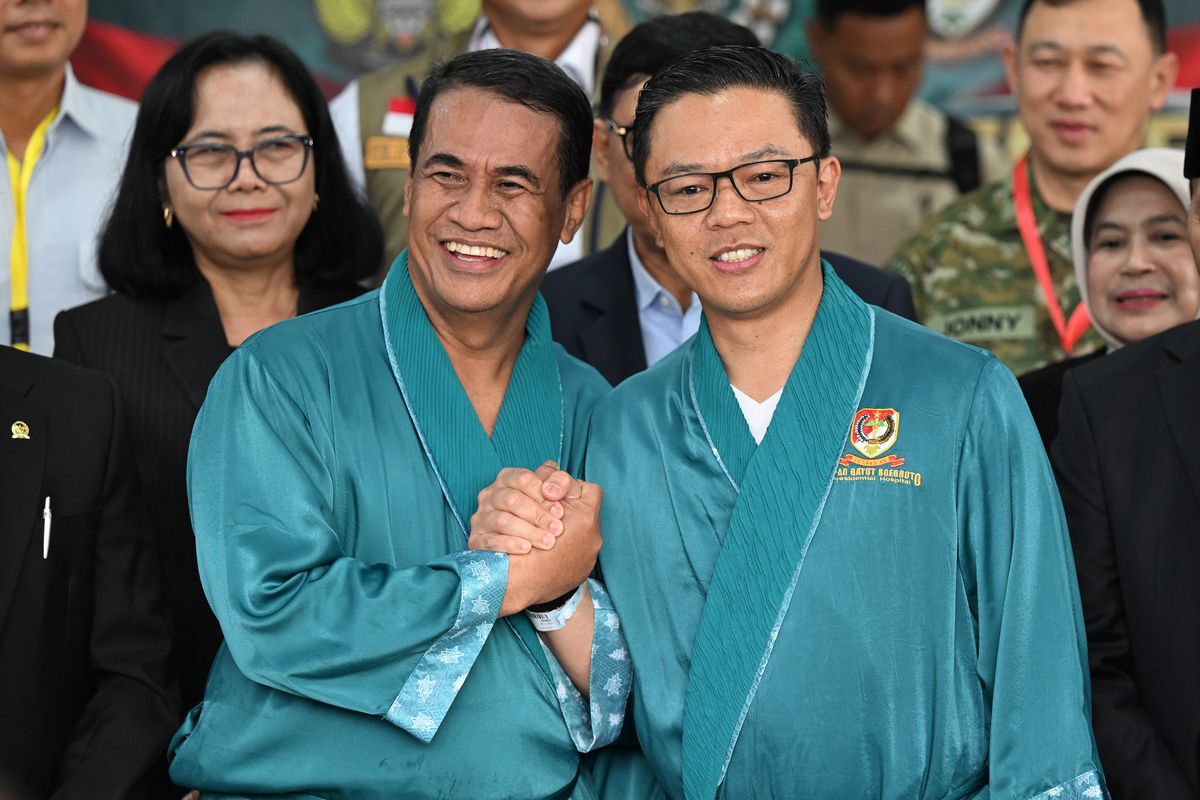
THE END OF Gibran Rakabuming's tenure as Vice President, following political pressure to initiate impeachment proceedings through a statement of opinion by several factions in the Indonesian House of Representatives (DPR RI), marks a new chapter in Indonesia's constitutional politics.
The ball is now in President Prabowo Subianto's court. Not only must he ensure the continuity of government, but his political decisions will determine who will accompany him in leading the country until the end of his term.
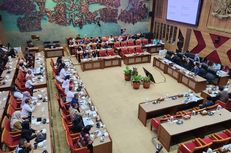
Constitutionally, the President is required to propose two vice presidential candidates to the People's Consultative Assembly (MPR).
Following this, the MPR has a maximum of 60 days to elect and appoint a replacement vice president. The President has a deadline of 14 days to submit the two names.
A letter containing the two candidate names was delivered directly by President Prabowo to MPR Chairman, Ahmad Muzani.
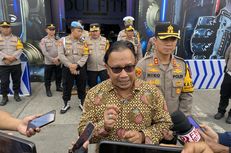
When asked by reporters about the names proposed, Prabowo instead demonstrated a martial arts move. The movements he displayed seemed to suggest that his political choices are difficult to predict.
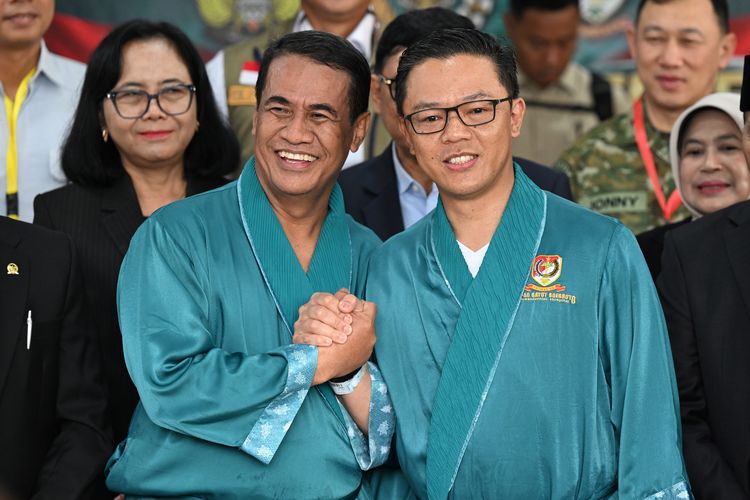
Indeed, it turned out to be the case. The name of Minister of Agriculture Amran Sulaiman, hailing from Bone, South Sulawesi, and not affiliated with the Gerindra Party, emerged as the first candidate. This name surprised many political observers.
Meanwhile, Sufmi Dasco Ahmad, the Daily Chairman of Gerindra, who was once expected to be a contender, was notably absent from the President's letter.
Conversely, the name Sugiono, Gerindra's Secretary General and a close associate and ideological successor of Prabowo, made it onto the list, but he was placed in the second position.
The question now is: who will become the 15th Vice President of Indonesia? Amran Sulaiman or Sugiono?
Indonesia has a poor tradition regarding the filling of the vice president position for the remainder of a term. Our experience is limited, so each vacancy in the vice presidency always brings its own political and constitutional issues.
When Mohammad Hatta resigned as vice president in 1956, President Sukarno did not fill the vacancy. The vice presidential seat remained empty until Sukarno was dismissed by the MPRS in 1967.
For a decade, Indonesia ran its government without a vice president. At that time, the constitution did not require the president to immediately fill such vacancies.
A contrasting experience occurred when President Abdurrahman Wahid (Gus Dur) resigned in July 2001. Vice President Megawati Soekarnoputri ascended to the presidency, thus leaving the vice presidency vacant.
This filling of the position was the only democratic experience we had in electing a Vice President for the remainder of the term.