
Listyo and the Legitimacy of Ethical Jurisdiction
-
News
-
24 minutes ago
This article was translated by AI. Read the original article on Kompas.com. See Original
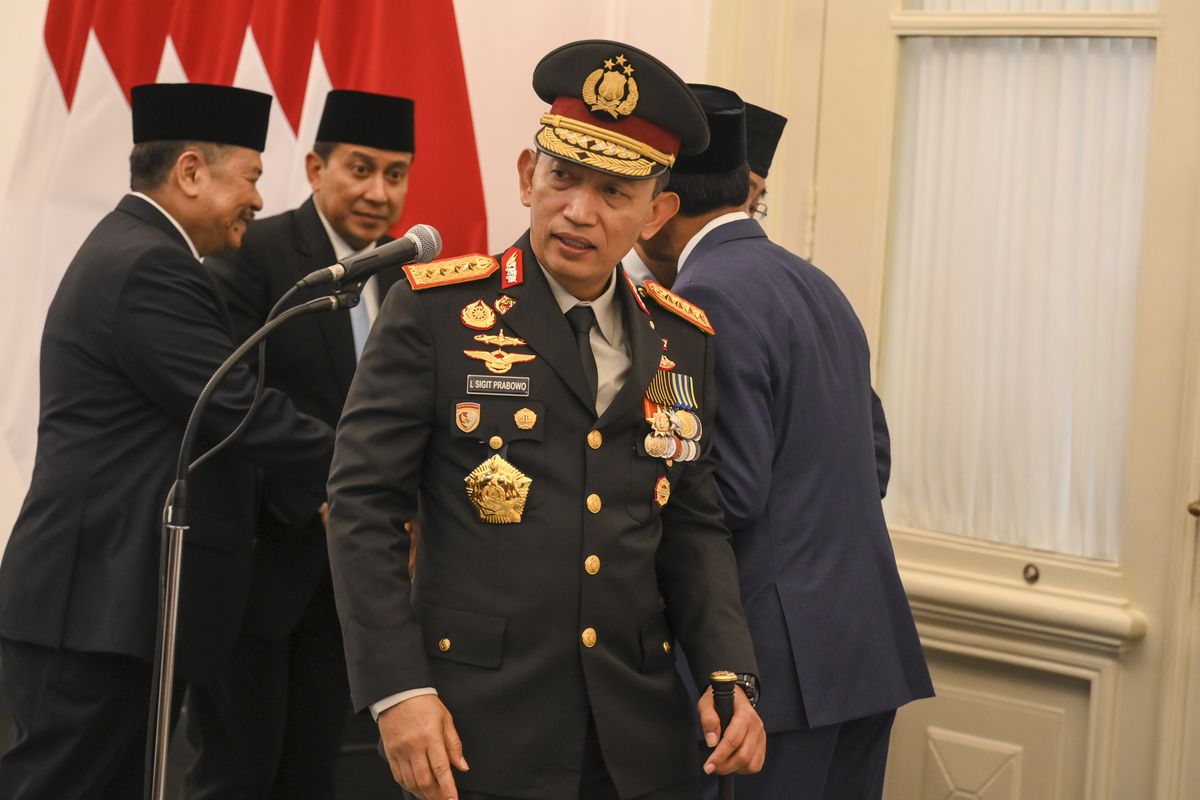
REFUSAL of former National Police Chief General Listyo Sigit Prabowo to attend the Polri Code of Ethics Commission (KKEP) session on November 26, 2026, raises questions that cannot be answered merely by procedure.
Moreover, when he again refused to appear at the second session on November 30, 2026, it brought further consequences.
As the former head of the police authority, Listyo certainly understands the implications of his choice. The session can proceed without him. His right to appeal could be forfeited. This is not a secret. It is clearly stated in the regulations.
Then, why is the opportunity to defend himself not utilized? Is Listyo evading ethical accountability or questioning the legitimacy of the ethical court that seeks his answer?
This question is significant not to speculate on Listyo's personal motives, but to interpret his refusal within the contexts of law, power sociology, and ethical jurisdiction morality.
In legal proceedings, a person's presence holds not just procedural importance but also symbolic significance. Procedurally, being present means exercising the right to defend oneself. Symbolically, it indicates a willingness to participate in accountability mechanisms.
Therefore, there is a fundamental difference between someone striving to avoid punishment and someone contesting the legitimacy of the forum that will judge them.
The former advocates for the outcome of the trial; the latter challenges the authority of the trial.
Tom R. Tyler in Why People Obey the Law (1990) explains that compliance with the law is determined not solely by the threat of sanctions but also by the legitimacy of authority and perceptions of procedural justice.
A person may refuse to participate in a legal process if they believe the authority conducting that process does not guarantee justice.
In Listyo's context, one plausible consideration could be objections to the basis of authority, composition, independence, or impartiality of the KKEP.
The change to the National Police Regulation Number 7 of 2022 through National Police Regulation Number 4 of 2026, occurring close to Listyo's hearings, also raises questions about the philosophy underpinning legal formation.
Is this change a necessity for a comprehensive renewal of the ethical enforcement system within the National Police or primarily to address the judicial needs of a four-star general officer?
Referring to Lon L. Fuller's concept of generality (1964) as one of the principles of internal moral law, laws should be established as general guidelines rather than solely to meet the interests of specific individuals.
In stronger terms, laws should not be intended for a particular case.