
Kemdiktisaintek Simplifies Academic Position Equivalency for Indonesian Faculty Abroad
-
News
-
4 minutes ago
Writer
This article was translated by AI. Read the original article on Kompas.com. See Original
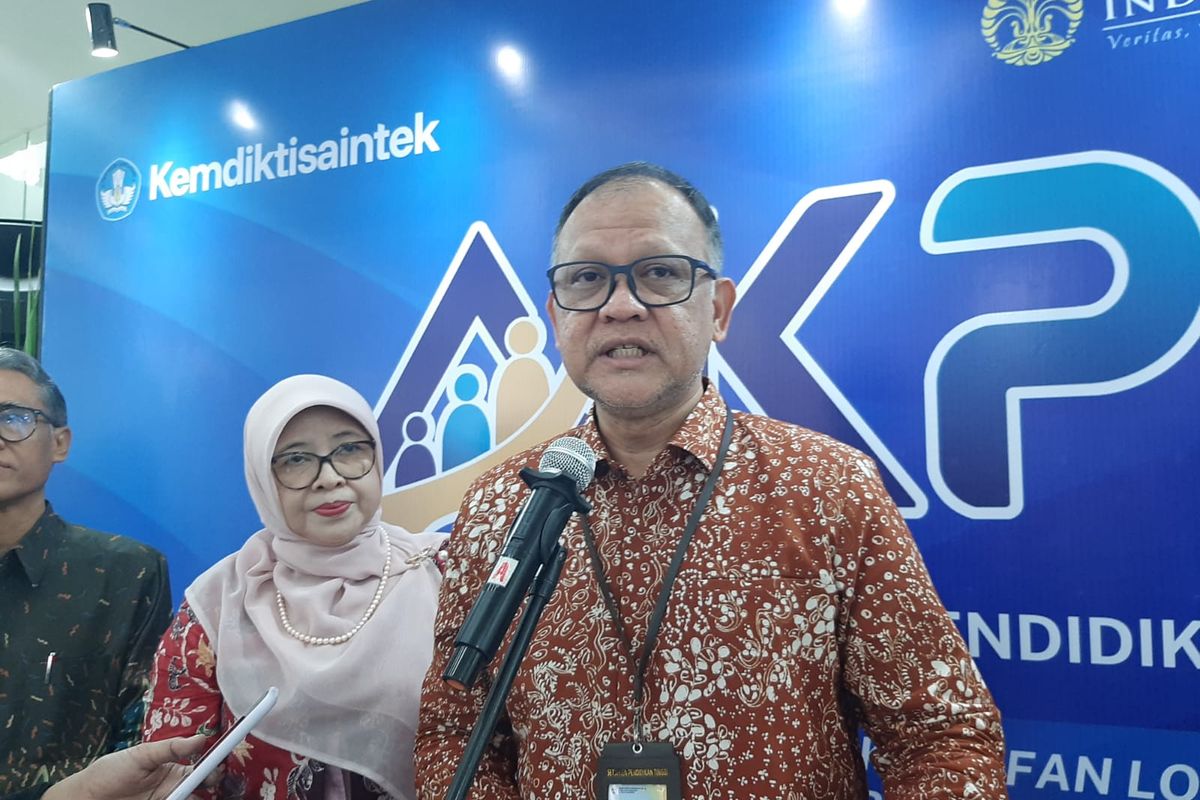
JAKARTA, KOMPAS.com - The Ministry of Higher Education, Science, and Technology (Kemdiktisaintek) has simplified the process for academic position equivalency for Indonesian citizens (WNI) who have built careers at foreign universities and wish to return to institutions in Indonesia.
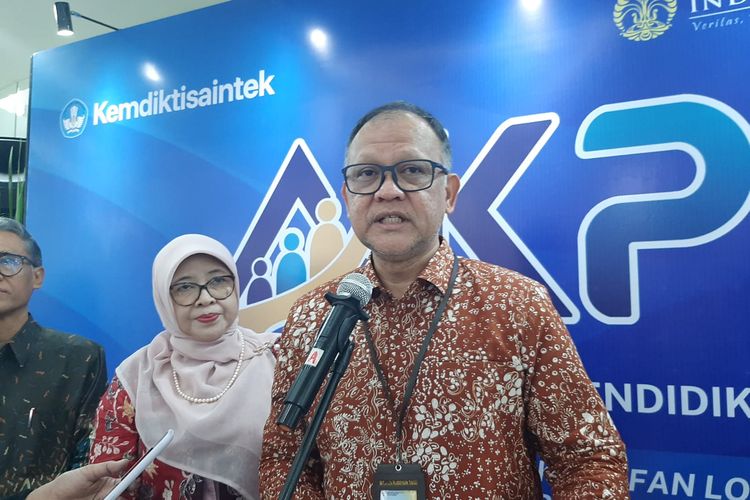
The Director General of Higher Education at Kemdiktisaintek, Khairul Munadi, explained that this simplification is outlined in the Director General's Decision Number 129/B/KPT/2026, which was enacted on November 19, 2026.
"Many Indonesian professors are well-established in teaching and research at foreign universities. The process of adjusting their academic positions has often been a significant concern for those wishing to return. This guideline ensures their track record is recognized so that their expertise can be immediately utilized by our universities," Khairul stated in a press release in Jakarta on Saturday (28/11/2026).
Khairul elaborated that this policy aims to achieve four strategic objectives: enhancing the quality of higher education, science, and technology; meeting the demand for outstanding educators in domestic institutions; facilitating the contributions of Indonesian lecturers from foreign universities; and simplifying the bureaucratic process for academic position equivalency.
The guidelines also establish requirements for three parties involved.
The originating foreign institution must be recognized by Kemdiktisaintek or its institutional legitimacy, authority, and academic quality must be verifiable through official sources.
The destination university must be either a Legal Entity State University (PTNBH) or a private university (PTS) with at least a satisfactory accreditation status.
Furthermore, applicants must be Indonesian citizens holding a doctoral qualification and must have an academic rank of at least associate professor or equivalent.
Additionally, applicants must be under 60 years of age, no longer affiliated with their original university once accepted, possess a solid academic integrity record and relevant expertise, and present a concrete contribution plan for the destination university.
"The submission process varies according to the type of destination institution. For PTNBH, the head of the university submits a request to the Minister through the Director General," Khairul explained.
Whereas for PTS, the application must first be submitted to the Head of LLDIKTI, then forwarded to the Minister through the Director General.
The evaluation team will then review the proposal before it is forwarded to the Director General for technical consideration, and subsequently, the approved proposal will be sent to the Secretary General for finalization.
According to Khairul, the requirement for a work plan is intentionally included so that the equivalency has a direct impact on the destination university.
"This equivalency is not just a matter of position. We ask each applicant to come with a clear plan, such as mentoring young lecturers, strengthening research, or developing study programs. That is what we will assess in the evaluation," Khairul added.