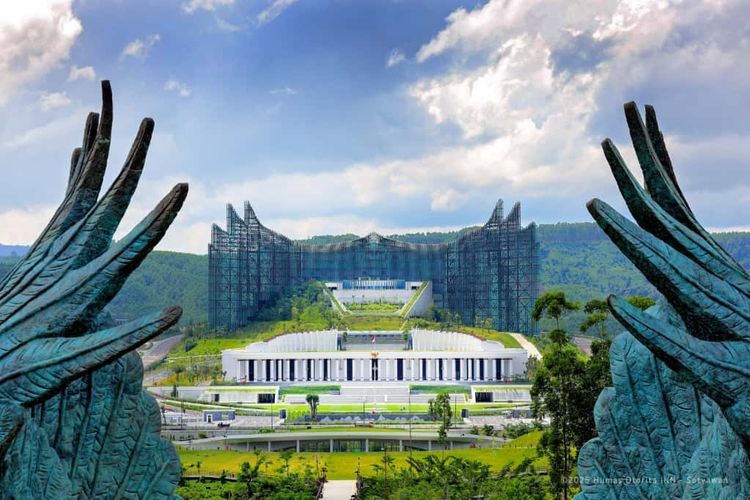


Government Changes Policy, CPNS Can Apply for Inter-Agency Transfers After 5 Years
-
News
-
Just now
This article was translated by AI. Read the original article on Kompas.com. See Original
THERE lies a paradox in economic development: a country can appear increasingly impressive in physical terms, while its people struggle more to meet their basic needs.
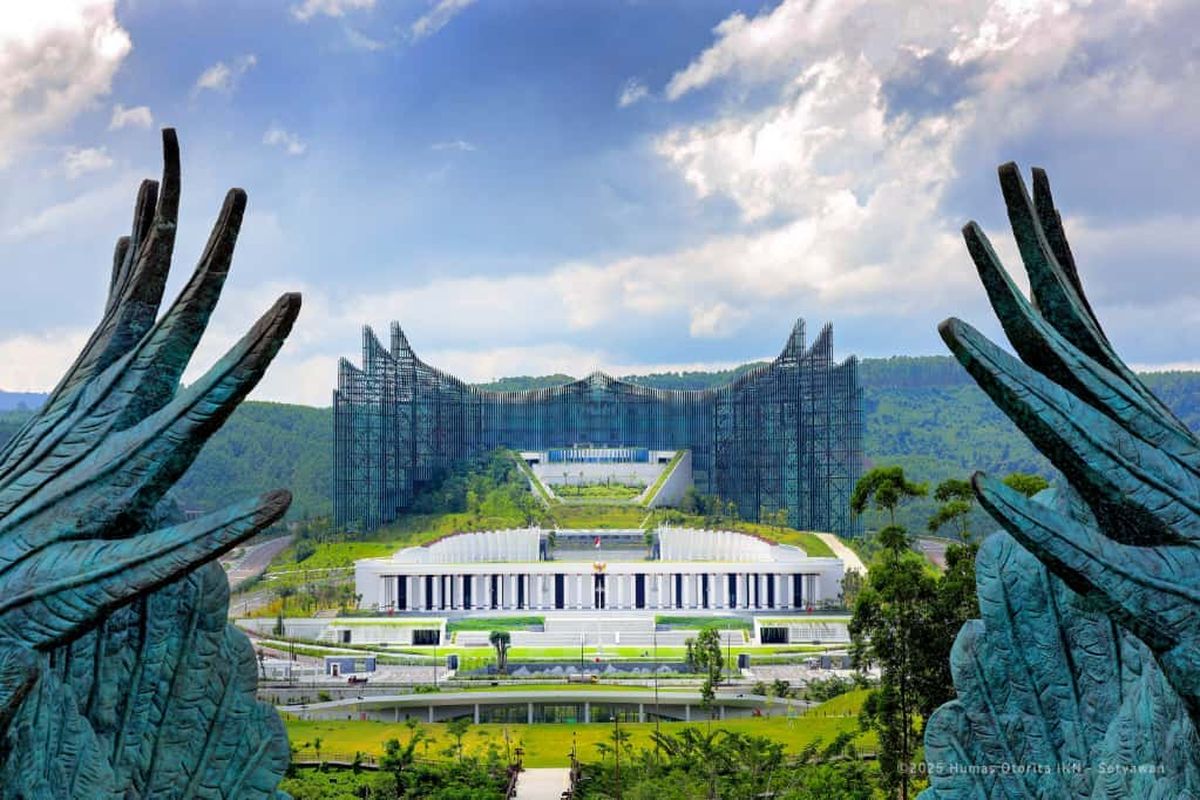
Government buildings may rise tall, new roads cut through forests, and urban areas designed with modern technology.
However, all this grandeur loses its significance when purchasing power weakens, job opportunities shrink, and households find it harder to fund their daily lives.
This paradox warrants reflection when discussing the continuation of the Nusantara Capital City (IKN) development.
The statement by the Chairman of the Deposit Insurance Corporation (LPS), Anggito Abimanyu, on November 23, 2026, signals a significant change in policy direction.
He revealed that IKN is no longer part of the Government Work Plan (RKP) of President Prabowo Subianto's administration.
As a consequence, the LPS has canceled plans to build an office in IKN, which had previously been allocated IDR 400 billion.
This decision may appear simple, merely canceling the construction of a building.
Yet, from an economic-political perspective, the issue is much larger: is the government correcting its national development priorities, or merely changing the order of projects without addressing the fundamental issues of IKN planning?
This question matters because development should not be measured merely by how much concrete has been poured, but by how much welfare it can generate.
Under the previous administration, IKN was placed as a national strategic project and a symbol of Indonesia’s transformation.
Its rationale was not entirely erroneous: reducing economic concentration in Java, promoting equitable development, creating new growth centers, and establishing a more modern governance structure.
The issue does not lie in the idea of moving the capital.
The problem is how such a massive project is planned, financed, and aligned with the nation’s fiscal capacity.
In public economics, there is the concept of opportunity cost, which refers to the cost of every expenditure decision.
Every rupiah allocated for IKN development means there are alternative opportunities that cannot be financed with the same amount.
Those funds might be better spent on improving schools, building healthcare facilities, strengthening the manufacturing sector, enhancing agricultural productivity, or creating jobs.
In other words, the IKN issue is not merely about how much budget has already been spent, but what must be sacrificed as the state continues to pursue this project.
Amid fiscal limitations, the government also faces financing needs for various priority programs, such as Free Nutritious Meals (MBG) and the development of Red and White Village/Neighborhood Cooperatives (KDMP).
Both programs have significant socio-economic objectives but still require evaluation of their effectiveness, targeting precision, and ability to produce measurable economic benefits.






















