

Minister Arifah Ensures Justice for the Family of Bullying Victim in Malang
-
News
-
16 minutes ago
This article was translated by AI. Read the original article on Kompas.com. See Original
Government continuity is also better maintained should anything happen to the president. However, such solidarity carries a significant burden.
Government failures can no longer be shared with coalition partners, as all responsibility falls on one party.
Divergent considerations in the highest decision-making space may also risk dilution, as ideological and organizational proximity facilitates agreement but complicates corrections.
The line between state interests and party interests can easily blur if the vice president still holds a structural party position.
The political pull is also significant. A vice president from the president's party will be seen as a successor candidate ahead of 2029.
Today’s approval from coalition parties might not hold when ambitions start to surface.
Maneuvering toward the next election could begin early and disrupt the cabinet's focus on serving citizens.
Comparing this to the United States, where the president and vice president typically come from the same party, is less relevant because that country follows a two-party system.
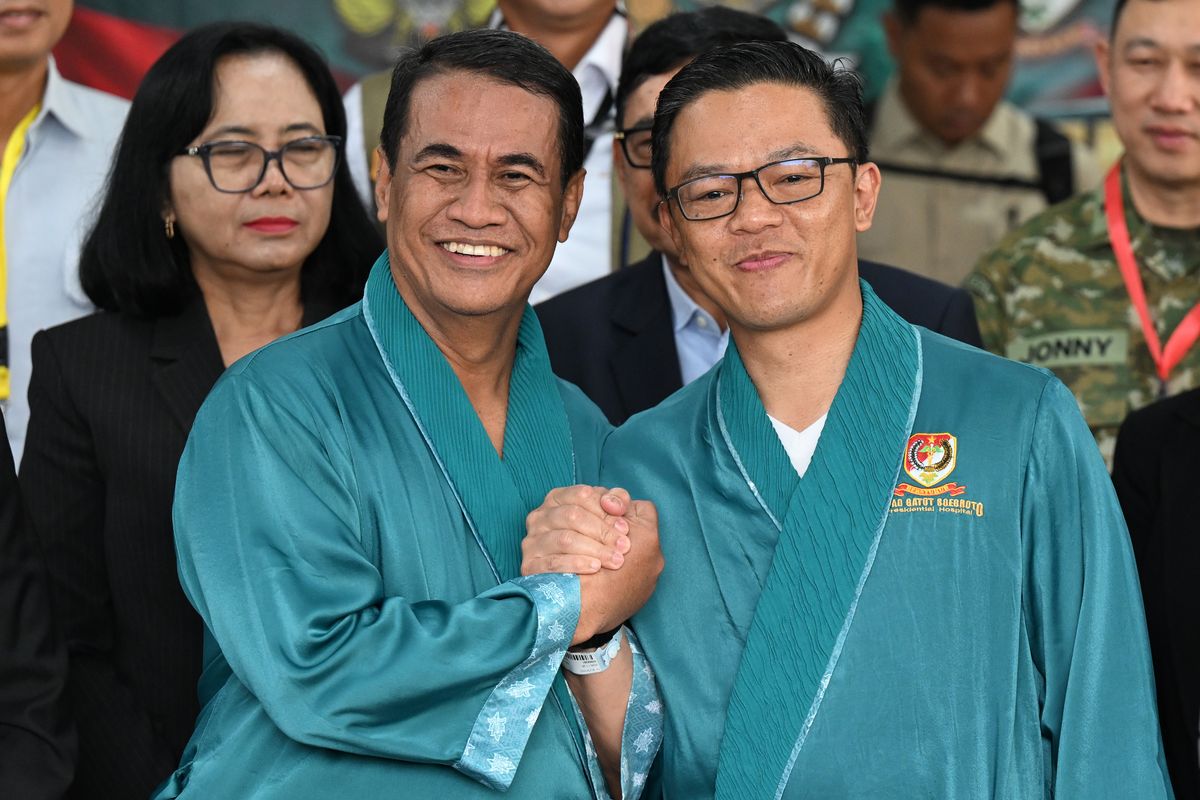
If Amran is the one elected, the risks turn in a different direction. He brings technocratic experience and a strong network in eastern regions, but without a significant party base in parliament, his bargaining power with the President is relatively limited.
On the other hand, his relative distance from the party could be a strength, as he would not bring any party agenda into the palace.
His entrepreneurial background and family networking in local politics also raise questions about potential conflicts of interest.
Thus, the rejection of a vice president may no longer be rooted in identity. It has shifted from asking about who they are to asking for whom they work.
For this shift to genuinely represent maturity, several conditions need to be met. The elected vice president should relinquish their party position, be given a measurable work mandate, and publicly disclose potential conflicts of interest.
The DPR must also remain critical, precisely because the vice presidential seat is no longer owned by a coalition.
While identity representation may retire, if what replaces it is mere loyalty to one person, are we truly maturing, or simply shifting from one form of representation to another that is narrower?

























