
Minister Arifah Ensures Justice for the Family of Bullying Victim in Malang
-
News
-
16 minutes ago
This article was translated by AI. Read the original article on Kompas.com. See Original
Descriptive representation demands a representative similar to those represented, whether by ethnicity, religion, or organization.
Substantive representation requires a representative who works for the interests of those represented. For a long time, our vice presidential seats have been predominantly filled based on the first logic.
This choice opens the door to reach for the second logic. In this approach, the measure of a vice president's success is no longer about how well they represent a specific group, but rather how effective they are for farmers, workers, teachers, and fishermen from any background.
Such a measure is more demanding, as performance can be scrutinized, while origins cannot.
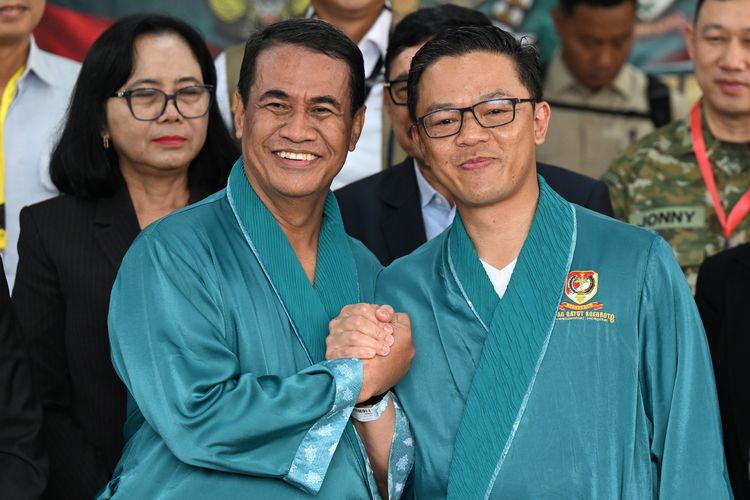
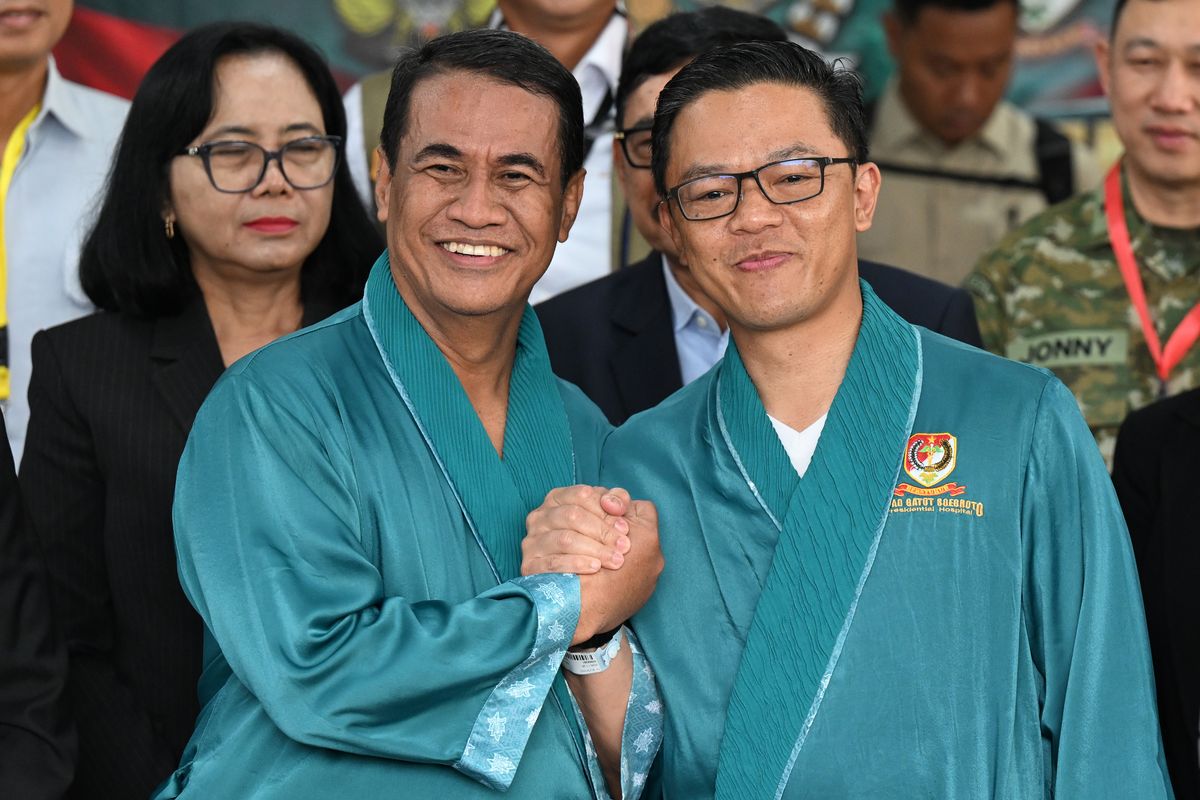
An interesting irony exists. Both candidates come from outside Java, with Sugiono born in Aceh and Amran in Bone, South Sulawesi.
Regardless of who is elected, the leadership pairing of this country remains patterned with elements from Java and regions outside Java, even if it wasn’t designed that way.
Perhaps this signals true maturity. Diversity is no longer treated as a quota that must be filled, but as a social reality that naturally exists.
The stance of religious organizations reinforces this impression. Nahdlatul Ulama has stated that they fully entrust the vice presidential seat filling to the President (NU Online, 17/11/2026).
Meanwhile, Muhammadiyah, as conveyed by Haedar Nashir during Muhammadiyah's 114th Milad in Palu (14/11/2026), only offers normative criteria about adherence to the constitution. There are no demands for a seat in the name of a group. That is the plus side.
The downside must also be weighed thoughtfully. It is important to note that identity logic has mainly operated during direct elections when candidate pairs must draw votes from various groups.
When the electorate is the MPR, that incentive weakens on its own. Thus far, there has been no electoral test to truly assert that the public has moved past identity considerations.
If Sugiono is elected, for the first time since Reformasi, the two highest positions in the country would be occupied by the chairman and the secretary general of the same party.
Scott Mainwaring in Presidentialism, Multipartism, and Democracy (1993) describes the combination of presidentialism and multiparty systems as a challenging mix, because the president must continually maintain coalitions in parliament.
In such combinations, the vice presidential seat has functioned as the glue of the coalition. If that seat is filled by a member of the president's own party, the glue is lost and must find an alternative.
Of course, there are positives. A pair from a single household promises solidarity and swift execution, while closing off the possibility of the emergence of two power centers in the palace.

























