Kupang Regent Becomes a Suspect in Sexual Violence Case, Gerindra Refers to Police
-
News
-
3 minutes ago
This article was translated by AI. Read the original article on Kompas.com. See Original
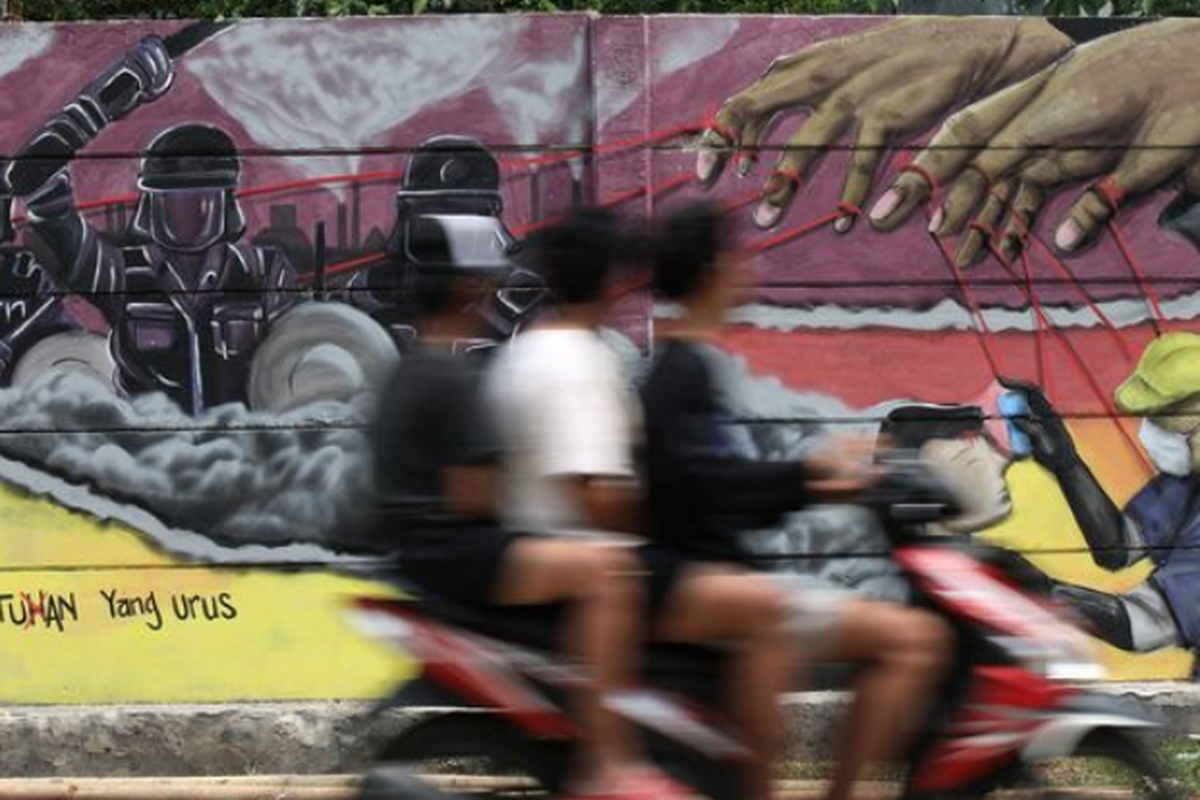
Ultimately, the line between corruption and attempts to advocate for what is considered legitimate interest is a boundary socially constructed.
Imagine a member of parliament advocating for new infrastructure or budget allocations for their electoral district, or a party supported by farmers promoting higher rice prices.
The essence of their actions is not much different from nepotism: particular interests are shaping public decisions.
Yet, we place such actions on the acceptable side, even worthy of praise. If this is true, what are the implications for the ideal of “eradicating corruption”?
If combatting corruption means eliminating all pursuits of particular interests that we categorize as corrupt, what remains are only other particular interests deemed legitimate.
Conversely, if we seek to eliminate all particular interests from the public realm, there are no interests left to contend with in determining what the state should do.
As political scientist Peter Bratsis posits in Everyday Life and the State, politics itself would become impossible.
In both scenarios, the public interest or an agreement on the common good would not automatically fill the space left by corruption.
To think otherwise is to believe that merely removing shoes from the dining table will result in a meal being served by itself.
In a society without corruption, particular interests will still exist, and indeed must exist. From these interests, something resembling the common good must be constructed, even if that construction will always be imperfect and fragile.
Politics, or at least an important part of it, is that very process.
Returning to the video I mentioned earlier. In that classroom equipped with advanced digital devices, what is being taught, and who determines it?
In the laboratory, which research is funded, and which is not? In the fields, who owns the land and the drones? Through what processes is the use of military robots decided?
These questions cannot be answered merely by investigating and punishing acts of corruption one by one.
Indonesia without corruption must continue debating all these issues. Debates between diverse and even conflicting interests and views cannot take place without friction.