
Police Asked to Trace Data Flow from President Prabowo's Wiretap
-
News
-
1 minute ago
This article was translated by AI. Read the original article on Kompas.com. See Original
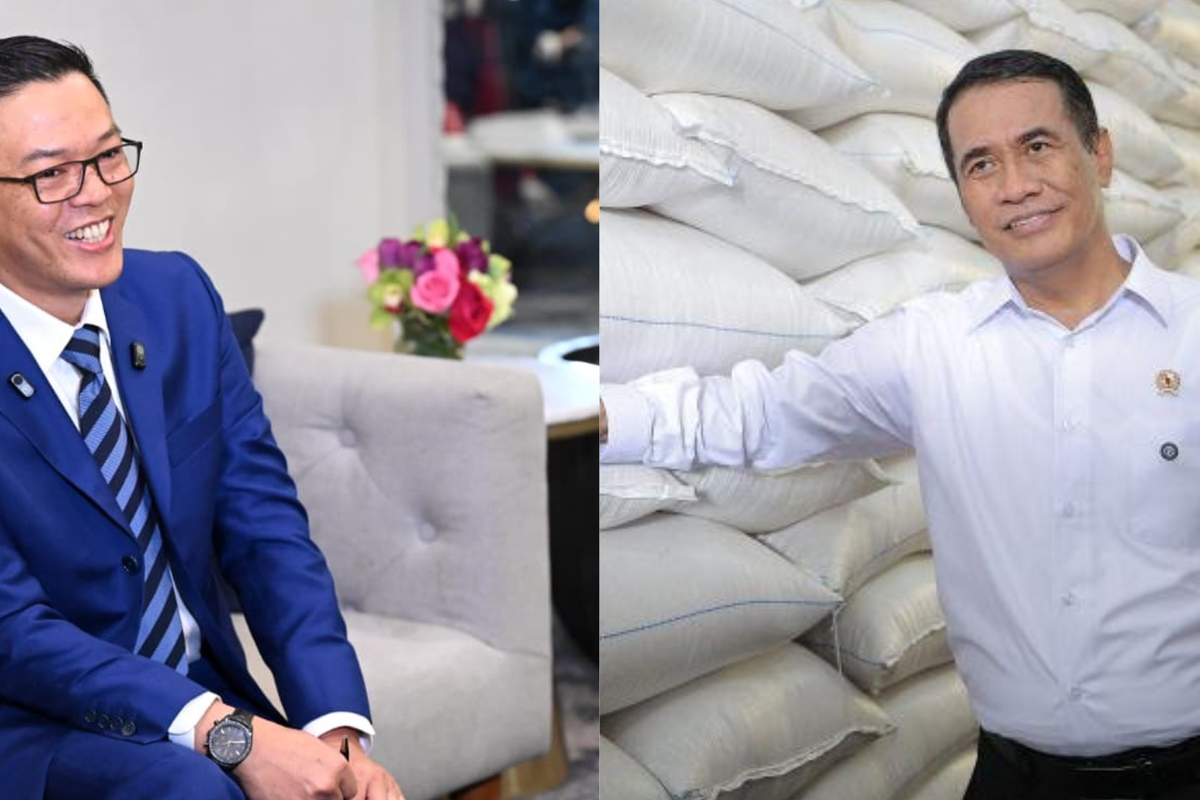
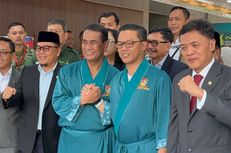
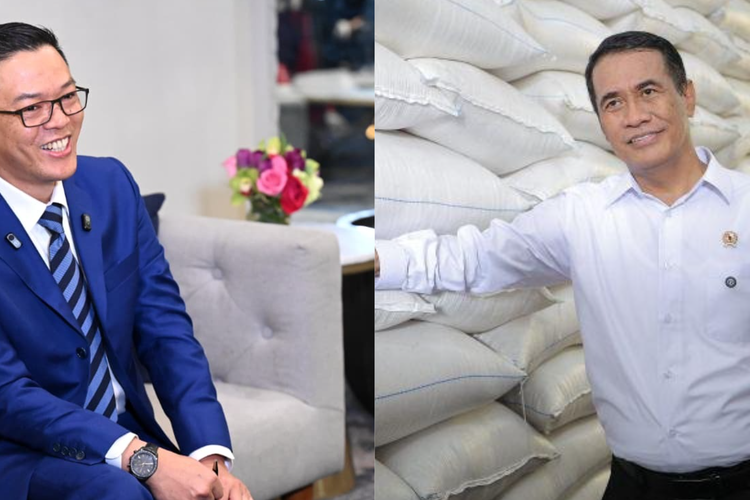
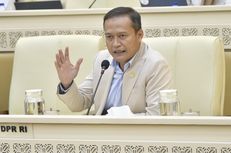
Meanwhile, political and military analyst from Universitas Nasional, Selamat Ginting, sees Sugiono and Amran as two strategic choices with different advantages.
According to Selamat, Sugiono is more relevant if Prabowo needs strengthening in geopolitics, defense, diplomacy, and strategic government consolidation.
On the other hand, Amran is deemed more suitable if the government's priority is strengthening the real economy, agriculture, food security, and community productivity.
"If Prabowo requires a Vice President who understands his strategic orientation, can maintain policy consistency, and strengthen national diplomacy and security, then Sugiono is a relevant option," Selamat told Kompas.com on Tuesday.
Conversely, he believes Amran has an edge if the president requires a partner who can help solve the economic issues of the people.
"If Prabowo needs a Vice President who can help address the economic problems of the populace and ensure that development successes are felt directly, then Andi Amran has unique advantages," he said.
Selamat added that food security is not solely about agricultural production, but also has dimensions of economy and national security.
Disruptions in food production or distribution can impact economic and social stability.
Therefore, according to him, the choice between the two candidates should align with Prabowo's governmental priorities.
Sugiono offers strengthening in geopolitics, diplomacy, defense, and government consolidation.
Meanwhile, Amran provides experience in real economy, food security, and productivity.
The proposal of Sugiono and Andi Amran Sulaiman as vice presidential candidates is also perceived to have long-term political implications, particularly regarding the configuration of political power ahead of the 2029 Presidential Election.
Executive Director of Aljabar Strategic Indonesia, Arifki Chaniago, believes Prabowo's decision to nominate both names cannot merely be viewed as an effort to fill the vice presidential vacancy.
According to him, whoever is elected through the MPR has the potential to build experience, legitimacy, and political closeness with Prabowo until the end of the 2024-2029 administration.
"Amran and Sugiono are not just vice presidential candidates. They could become part of the 2029 political configuration. For Prabowo, the vice president is not just a partner for completing governance but also a potential figure prepared to ensure continuity of national leadership," Arifki noted in a statement on Tuesday.
Arifki sees at least two calculations behind Prabowo's choices.
The first is the need to find a figure who can enhance government effectiveness.
The second is the interest in building leadership continuity should Prabowo run again in the 2029 presidential election.
However, he noted that the emergence of a figure who gains political legitimacy while accompanying Prabowo could also lead to internal coalition issues.
Because, the supporting parties have vested interests in preparing their own cadres for the next political contest.
"This is where the potential for political friction lies. Coalition parties may not mind supporting Prabowo for two terms, but they certainly want the opportunity to promote their own cadres. If a figure begins to emerge now that can build legitimacy as a successor, internal coalition competition could start sooner," Arifki explained.
He assesses that Prabowo must manage two potentially conflicting interests: maintaining coalition solidity while also fostering leadership continuity.
"Prabowo needs loyalty and political stability, but coalition parties also require room for regeneration. We must ensure that consolidation towards the second term doesn’t make the supporting parties feel like mere spectators in determining the next leadership direction," he warned.
Arifki added that whoever is elected as vice president will gain political advantages from the direct experience of accompanying the president, engaging in strategic decision-making processes, and building a track record of national leadership.
"Thus, the real contest is not only about who becomes RI-2 until 2029. The larger contest is about who gains the stage, trust, and political legitimacy to enter the next national leadership configuration. On the other hand, coalition parties need to reassess their positions and political opportunities heading towards 2029," Arifki said.