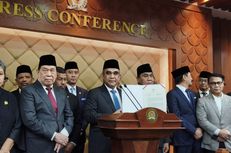

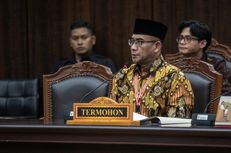
Gibran's Nomination Hearing at DKPP, KPU to Present Former Chairman Hasyim Asy'ari as Witness
-
News
-
1 minute ago
This article was translated by AI. Read the original article on Kompas.com. See Original
Employees must possess awareness of why change is necessary, a desire to support it, knowledge about new ways of working, the ability to practice these changes, and reinforcement to maintain new behaviors.
Alongside this, change management expert John Kotter emphasizes the need to foster a sense of urgency understood at all levels, build a solid leadership coalition, and eliminate bureaucratic obstacles that hinder employee innovation.
Concrete steps can begin with developing individual transition plans for affected civil servants, accompanied by a competency gap analysis before they assume their new roles.
The government also needs to open two-way communication channels to ensure that employees do not feel like mere objects of policy, but rather as subjects involved in designing new ways of working.
In the post-transition phase, the success of reforms should be measured through human-based indicators.
The state needs to evaluate the clarity of roles, the speed of work unit adaptation, public service satisfaction, and the sustainability of service functions, not just chasing budget absorption and the completion of derivative regulations.
In an article titled "Obese Bureaucracy" (Kompas.com, July 16, 2026), I highlighted that bureaucratic overweight is not merely about the number of employees, but rather about the accumulation of administrative burdens and work ritualism that erodes the meaning of service.
This phenomenon aligns with Paul C. Light’s (1995) assertion about thickening government, where structural layers continue to increase but instead distance decision-makers from the frontlines of service.
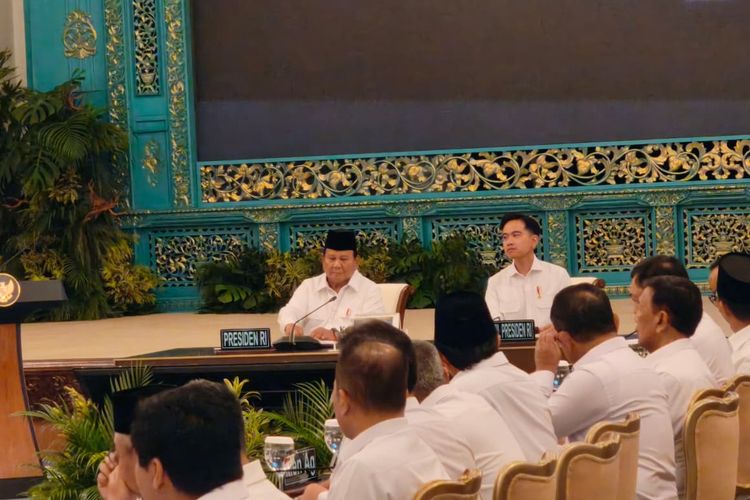
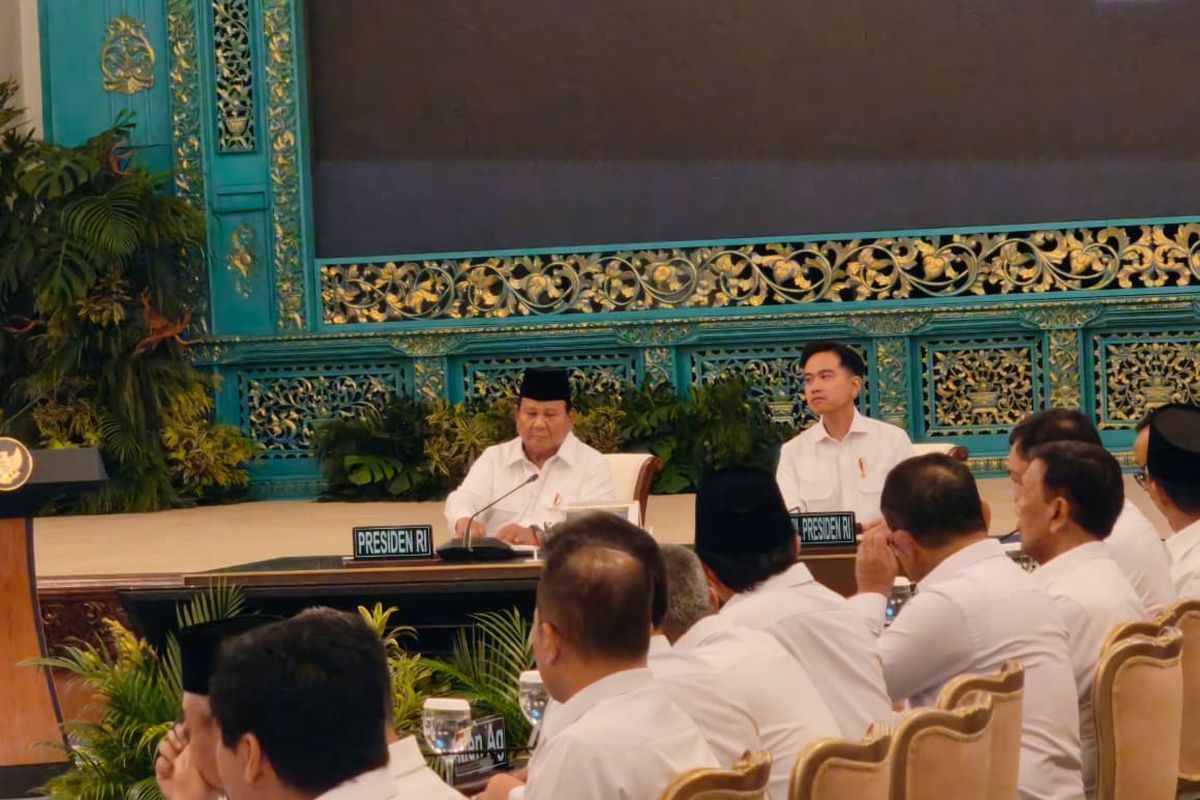
Now, the lawsuit in the Constitutional Court reminds us of another dimension of that obesity, namely the expansion of structure at the top levels.
The common thread is clear: bureaucratic obesity occurs when the structure continues to grow while the capacity and readiness of the human elements within it do not keep pace.
Regardless of what the Constitutional Court decides, whether it limits the number of ministries or maintains cabinet flexibility, the real challenge remains squarely within the daily working environment of civil servants.
Without transition management that humanizes employees, even a streamlined ministry can feel slow and rigid, while a large cabinet risks being hindered by internal coordination frictions.
Ultimately, a state is not driven by boxes on a piece of presidential regulation paper, but by the dedication and skills of the people who occupy those boxes.
Bureaucratic reform should not stop at organizational restructuring; it must be gauged by the readiness of its people to change and serve the public wholeheartedly.