
Focus on CPNS Needs 2026-2027: From Teachers to Cooperative Supervisors
-
News
-
Just now
This article was translated by AI. Read the original article on Kompas.com. See Original
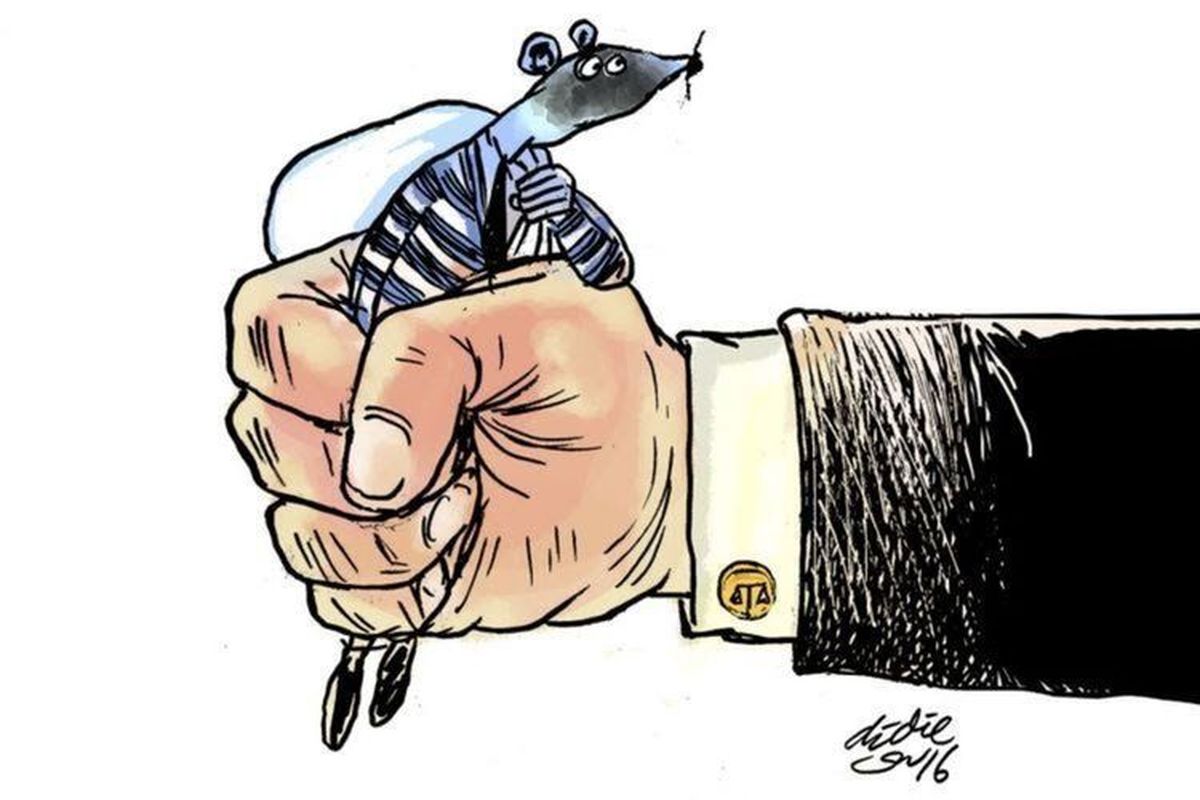
The establishment of these two new bodies has drawn criticism from legal experts.
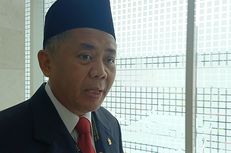
Criminal law expert from Trisakti University, Abdul Fickar Hadjar, argues that the formation of these two new bodies is unnecessary since several law enforcement agencies already have units that handle asset management.
According to Hadjar, the government should optimize existing agencies, such as the Prosecutor's Office and KPK, rather than create new institutions that might have overlapping authorities.
"I also agree, why not optimize existing divisions at the Prosecutor's Office or KPK? It would be more efficient," Hadjar told Kompas.com on Friday (20/11/2026).
He even suggested that the Prosecutor's Office and KPK be appointed as the implementers of asset forfeiture, while oversight can be conducted by pre-existing institutions.
Hadjar mentioned that the Supervisory Board of KPK, the Prosecutor's Commission, and the Ombudsman could be involved in oversight functions as per their authority.
He noted that the Prosecutor's Office already has a unit that handles execution and asset recovery.
Thus, the establishment of new bodies is likely to create duplicated efforts.
"It's not urgent because there are existing bodies that are already functioning, such as KPK and the Prosecutor's Office," he stated.
Hadjar also highlighted that forming new institutions would require budgets, human resources, and specific operational frameworks.
In fact, more pressing issues involve strengthening the capacities and coordination of existing agencies.
He also criticized provisions that allow the formation of these two bodies through presidential regulation.
He argued that while this mechanism could expedite the establishment process, it still carries risks of politicization regarding the appointments to these bodies.
Hadjar expressed concern that appointments to both the management and supervisory bodies could be influenced by the political interests of those in power.
Therefore, he believes strengthening existing institutions is more appropriate than creating new ones that could increase government spending and coordination challenges.
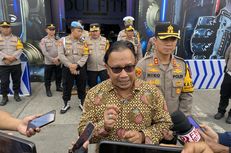
Criticism regarding the establishment of the two new bodies was also voiced by the former Head of the Financial Transaction Reports and Analysis Center (PPATK), Yunus Husein, serving from 2002 to 2011.
Yunus stated that establishing two new agencies is inefficient because the government already has several institutions that could be tasked with managing assets from criminal activities.
He emphasized that creating new agencies requires not only legal foundations but also a pool of integrity-based human resources, budgets, personnel, venues, and operational systems.
"In my opinion, creating new bodies, especially two, is completely inefficient," Yunus stated in an interview on the YouTube program Newsroom by Kompas.com on Thursday (19/11/2026).
He recounted his experience establishing PPATK from scratch.
According to him, establishing a new agency to operate optimally is not an easy task.
"Not to mention the budget, personnel, venues, and systems. My previous experience building PPATK from scratch to what it is now was not trivial," he said.
Yunus also cautioned that forming new agencies risks increasing the burden on the national budget, especially at a time when the government funds many institutions.
He suggested that the government should utilize existing agencies experienced in asset management.
He pointed out that the Asset Recovery Agency within the Prosecutor's Office, the Directorate General of State Assets under the Ministry of Finance, and the State Seized Goods Storage Agency (Rupbasan) could be reinforced.
"Why not utilize existing bodies? For instance, by enhancing the capacities of the Asset Recovery Agency under the Prosecutor's Office or the Directorate General of State Assets or Rupbasan," Yunus noted.
He insisted that existing agencies could expand their capacities in terms of organization, personnel, and budget without needing to build a new system from the ground up.
Yunus also emphasized the need to pay attention to the selection of individuals to fill these new bodies.
He expressed concern that a selection process that does not prioritize competence and integrity creates opportunities for corruption in managing confiscated assets.
"The issue in Indonesia is mainly a human problem; it's not about the regulations. Selecting the right people is not easy, especially in a situation where we face a crisis of integrity," he warned.