
Meeting of Trump, Xi Jinping, and Putin: Hopes for Global Peace
-
News
-
2 minutes ago
This article was translated by AI. Read the original article on Kompas.com. See Original
He further remarked that the public needs clarity through proper legal mechanisms and inspections, instead of just explanations or social actions from the figures under scrutiny.
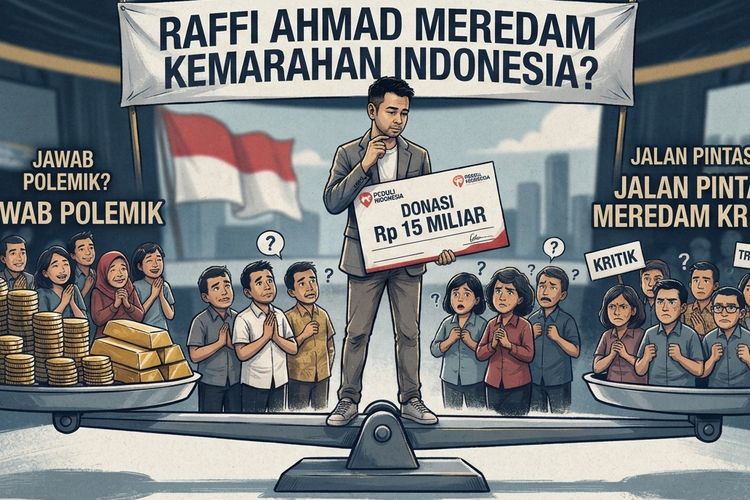
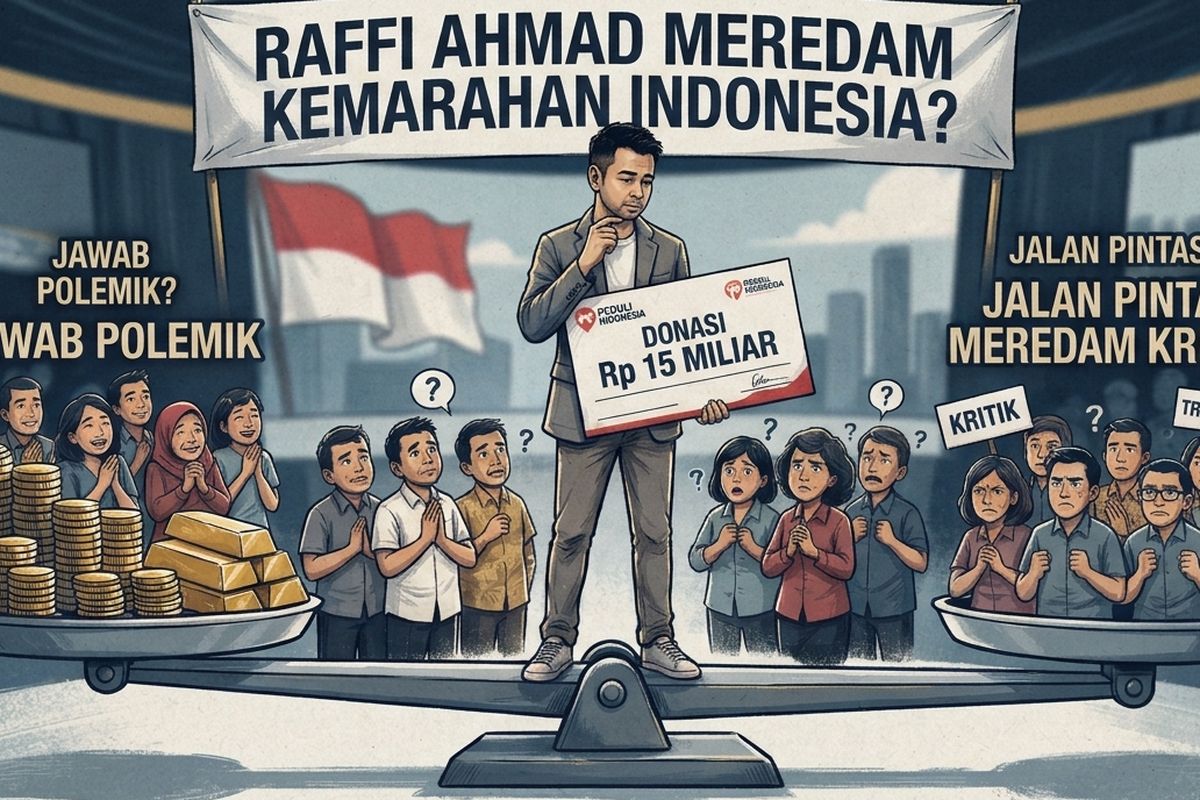
Agustinus also opined that the donation could be seen as an attempt to quell criticism if the fundamental issues concerning transparency and accountability are not addressed.
"The public is not wrong in analyzing that this move is a shortcut to mute public outcry without tackling the core issues surrounding transparency, accountability, and the governance of public procurement, as well as an effort to build Raffi Ahmad’s personal image," he explained.
He noted that law enforcement agencies, such as the Corruption Eradication Commission (KPK), police, and prosecutors, still have room to investigate these collaborations.
However, this investigation requires political will and commitment to ensure the governance is free from corruption, collusion, and nepotism.
Political communication expert from UGM and executive director of Indonesian Presidential Studies, Nyarwi Ahmad, remarked that for the past ten years, the government has tended to use influencers as a shortcut to convey programs and policies.
He pointed out that the government's use of influencers is not always accompanied by a selection process that considers their reputation, competence, educational background, or expertise.
"For over the last decade, the government has been fond of taking shortcuts by hiring influencers, and even that is not done selectively," Nyarwi stated when contacted by Kompas.com.
Nyarwi also criticized the government's tendency to use influencers as tools to shape public opinion instead of fostering two-way communication with society.
He argued that government communication should not stop at disseminating messages through popular figures.
The government must ensure that policy information is conveyed accurately, credibly, and responsibly.
"What often happens is not a process of public communication between the government and the people, but rather the use of influencers as hegemonic instruments to dominate public space or mobilize through their influence," Nyarwi said.
He labeled the use of influencers as a shortcut that may lead the government to rely on the popularity of particular figures to reach the public.
However, this strategy carries its own risks.
If the influencers collaborating with the government face public backlash or a decline in reputation, the image of the government agency utilizing their services may suffer as well.
"If this influencer also faces resistance from society, say if they're a celebrity and experience counteractions like cancel culture, then the government is actually the one that loses," he pointed out.
"When the reputation of this influencer declines, it also tarnishes the reputation of the party that hired them," Nyarwi concluded.