

Natalius Pigai Orders NTT Regional Office to Monitor Case of Female Student Victim of Kupang Regent's Rape
-
News
-
7 minutes ago
This article was translated by AI. Read the original article on Kompas.com. See Original
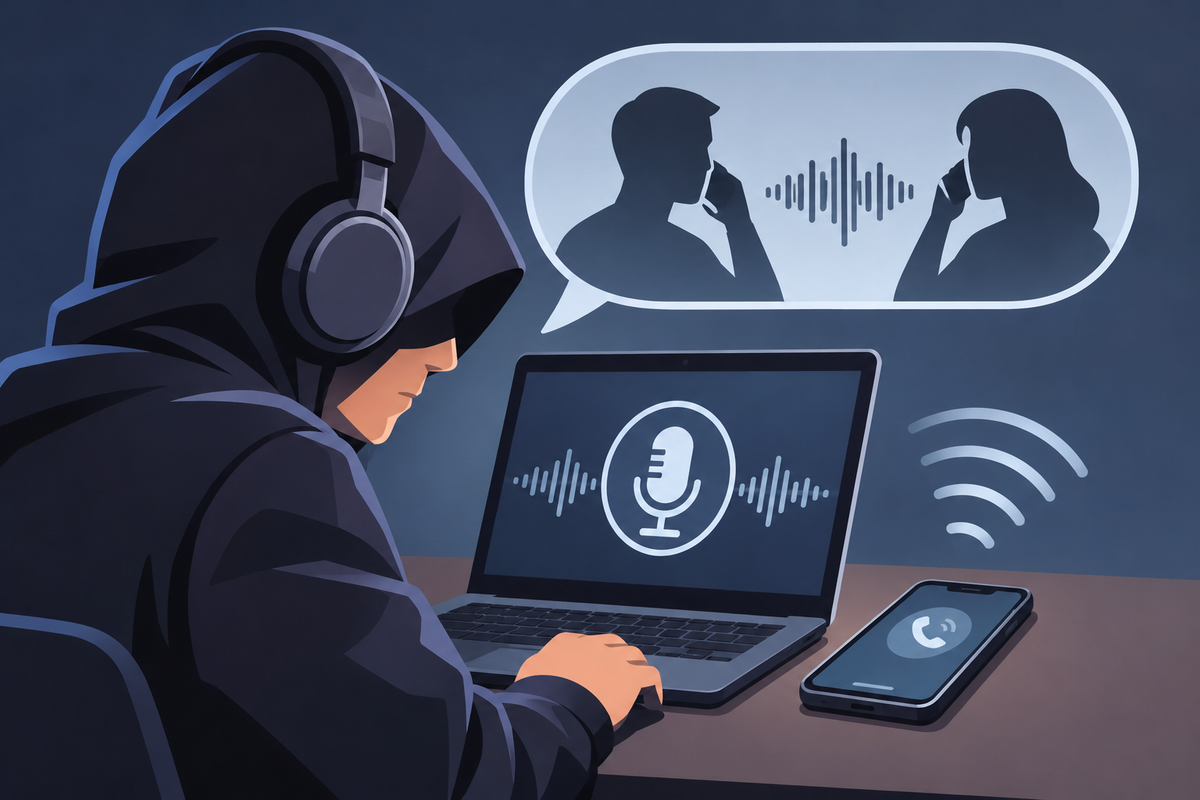
Regarding the proposal to establish an independent oversight body for eavesdropping, Fickar is of the opinion that it is unnecessary.
He argued that Indonesia already has several oversight bodies that can perform supervisory roles over government institutions.
"It is not needed, there are already many commissions such as Kompolnas, Komjak, KPK’s Supervisory Board, and the Ombudsman that oversee all executive activities, including eavesdropping authority," he said.
Researcher from Indonesia Corruption Watch (ICW) Seira Tamara notes that the allegations of illegal eavesdropping by high-ranking police officials highlight serious issues in the governance and oversight of eavesdropping powers.
According to Seira, this case cannot be viewed merely as an individual violation.
This issue also indicates a weakened mechanism of checks and balances in the use of eavesdropping powers.
"Thus far, oversight of eavesdropping authority by the police still relies on internal mechanisms. National security, state interests, or operational confidentiality defenses are often used to limit external oversight of the institution," Seira told Kompas.com on Tuesday (17/11/2026).
As a result, there is insufficient independent control to ensure that every eavesdropping action has a legal basis and can be accounted for.
Seira emphasized that oversight should also cover the use of eavesdropping technology and the management of the information obtained.
Because the issue doesn't end with who is targeted by eavesdropping, but also how that data is accessed, stored, used, and disseminated.
Information obtained through eavesdropping is sensitive data that must not be exploited for personal or political gain or shared with unauthorized parties.
ICW believes that oversight through the courts can serve as a mechanism to ensure eavesdropping is not solely controlled by the institution conducting it.
"Oversight can come through court permission, thus not requiring a new institution," they said.
In addition to court permissions, ICW advocates for the Eavesdropping Bill to mandate every agency to submit periodic accountability reports.
"Transparency of eavesdropping accountability reports must become a legal obligation, not dependent on the institution's goodwill," said Seira.