

Natalius Pigai Orders NTT Regional Office to Monitor Case of Female Student Victim of Kupang Regent's Rape
-
News
-
7 minutes ago
This article was translated by AI. Read the original article on Kompas.com. See Original
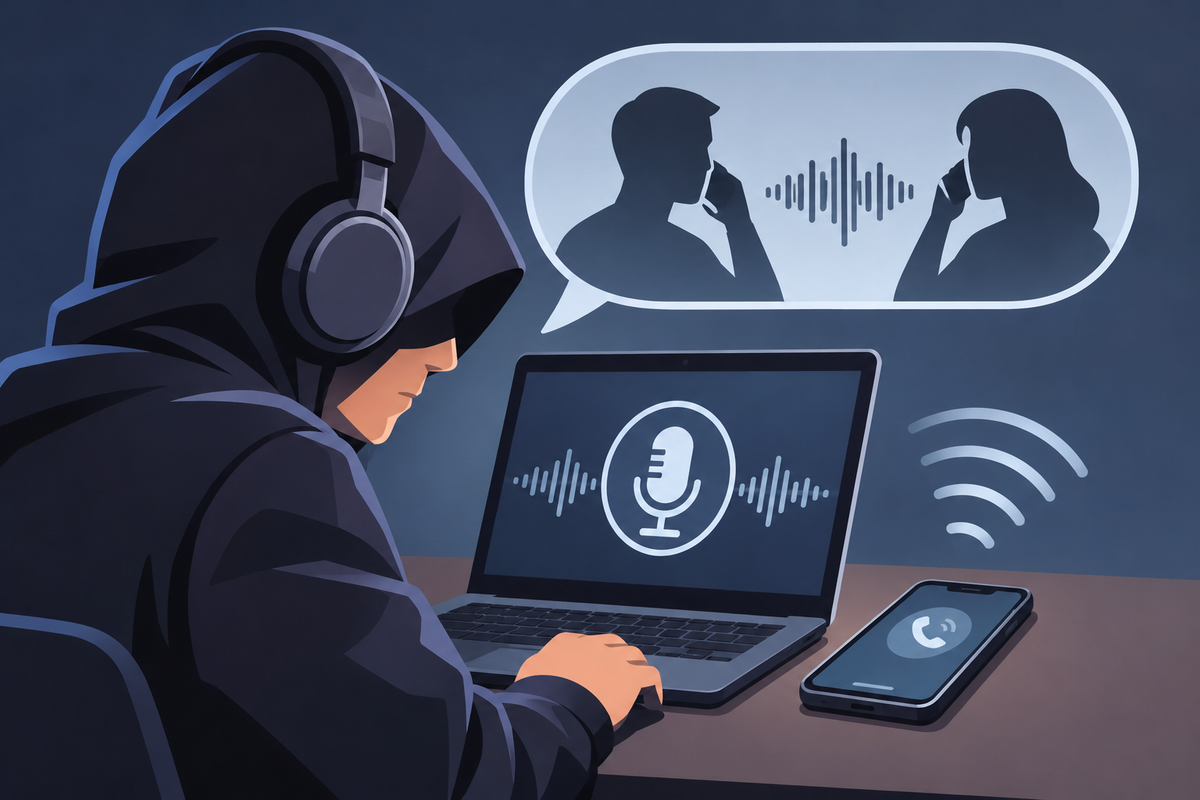
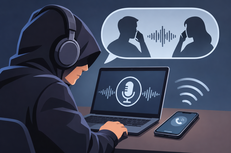
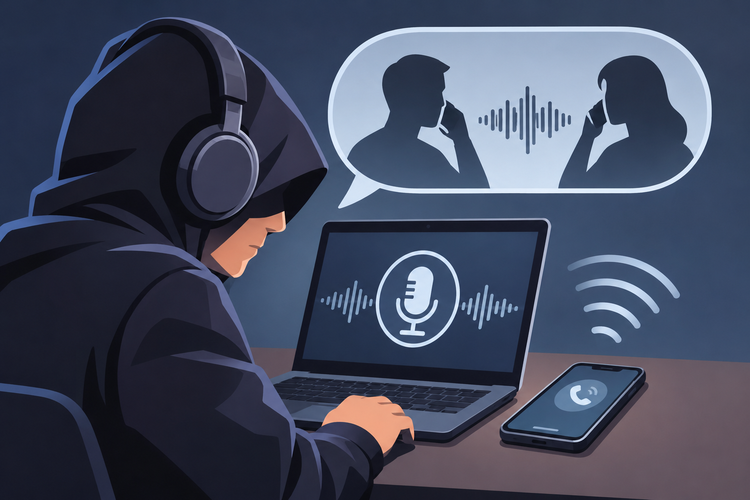
JAKARTA, KOMPAS.com - Eavesdropping can be an important tool for uncovering crime. However, the authority to access an individual's private communication can also become a threat when used without legal grounds and strict oversight.
Allegations of illegal eavesdropping against several state officials, journalists, and civil society members by police generals have once again raised questions regarding the oversight of such authority.
Moreover, eavesdropping is not carried out by a single institution.
Multiple government agencies, including the police, prosecutors, the KPK, and intelligence bodies, also possess eavesdropping powers or facilities.
So, how can we ensure that the authority to eavesdrop is not abused and that its oversight is effective?
Criminal law expert from Trisakti University, Abdul Fickar Hadjar, argues that eavesdropping should be conducted in the interest of law enforcement and must not be done carelessly.
Thus, every eavesdropping action must be based on a legal case and obtain court permission.
He stated that eavesdropping is part of the coercive measures in law enforcement.
Therefore, institutions intending to conduct eavesdropping must first file a request with the court.
"Even though this authority is part of law enforcement actions, it must still be authorized by the judiciary, meaning there must be a legal case. Eavesdropping without a law enforcement reason should be rejected as it is illegal," said Fickar to Kompas.com on Tuesday (17/11/2026).
He believes that the court is the most appropriate entity to grant eavesdropping permissions as it can ensure that the action has legal grounds.
"The court, there is no alternative to that," he said.
Fickar also mentioned that oversight of eavesdropping can be conducted through legal mechanisms, including pretrial proceedings.
Individuals who feel aggrieved may also lodge objections with the president or the courts.
Meanwhile, if eavesdropping is carried out without permission or in violation of procedures, perpetrators may face criminal accountability as stipulated in Article 258 of the Criminal Code.