
Indonesia to Receive Airbus A340-500 from Turkiye
-
News
-
8 minutes ago
This article was translated by AI. Read the original article on Kompas.com. See Original
Ironically, they are the ones who officially fall under the scope of the special envoy's duties. They do not seek compassion from the state; what they need is an open and fair procurement door.
Third is trust. Jürgen Habermas warns against the dangers of the refeudalization of the public space, where the space for citizens to deliberate ideas transforms into a stage for representation and promotion.
A state that pays popular figures to convey its programs is shifting public communication from argumentation to popularity. Citizens are no longer convinced, but rather enticed.
At that point, every post by an official who is also a celebrity becomes blurred, whether it is public information, personal expression, or a paid advertisement.
In a democracy, trust is built through testable explanations, not through familiar faces on screens.
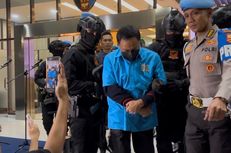
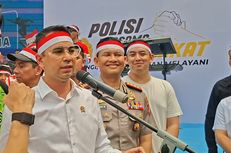
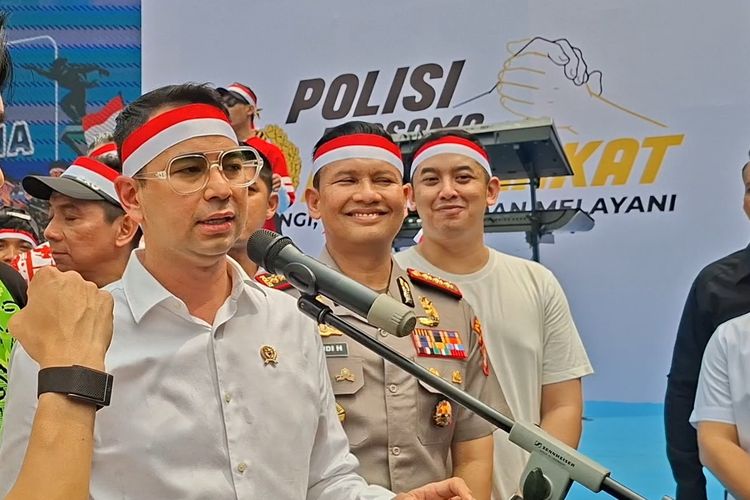
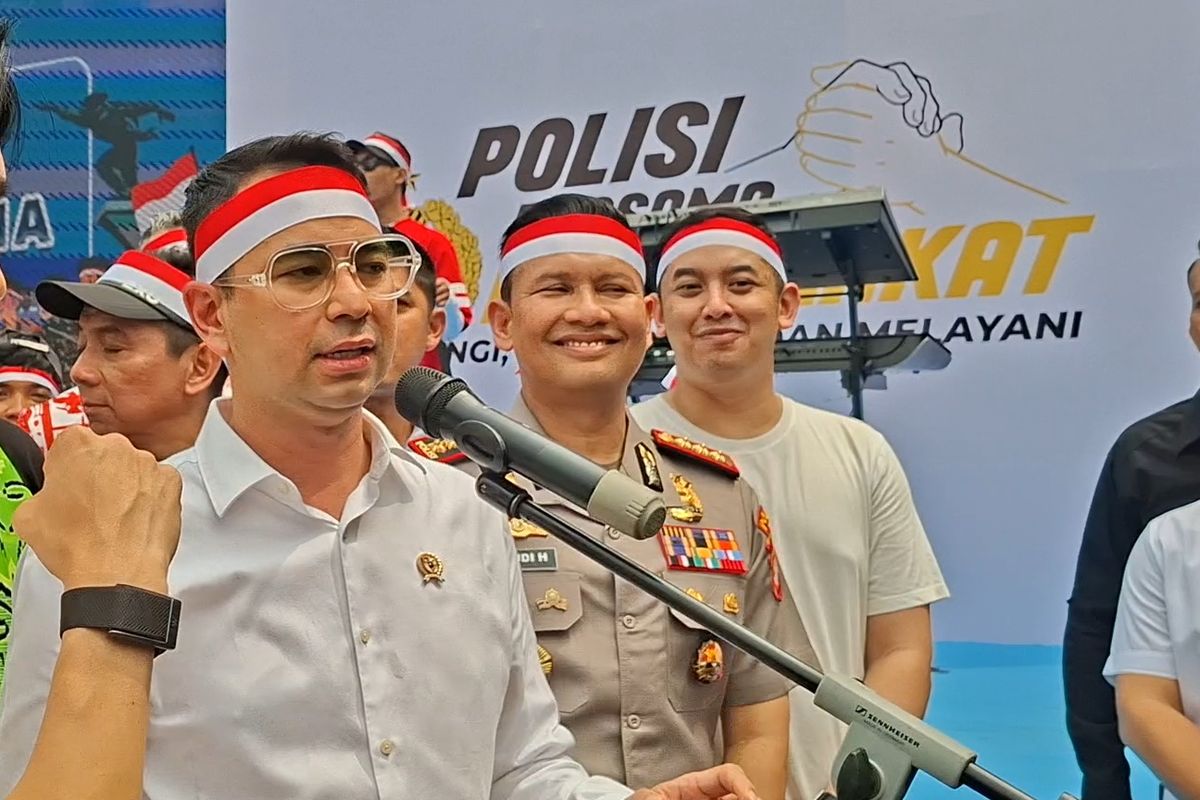
The uproar surrounding the declaration of the Youth Pledge at Bundaran HI, some participants of which were actually not students, illustrates a similar symptom.
The youth stage transformed into a spectacle, and the Metro Jaya Police as organizers eventually apologized. Popularity borrowed from power can quickly become a burden for both.
Raffi's apology should mark a beginning, not an end. What is needed is a stringent rule that prohibits companies owned by presidential appointees from receiving government contracts during their term, as ICW proposed, accompanied by an open audit of the fairness of the price for each package.
Without it, similar cases will recur with different names and faces. The question now turns to the President and the DPR. How much longer will public trust be allowed to be sold at endorsement rates?