
Indonesia to Receive Airbus A340-500 from Turkiye
-
News
-
8 minutes ago
This article was translated by AI. Read the original article on Kompas.com. See Original
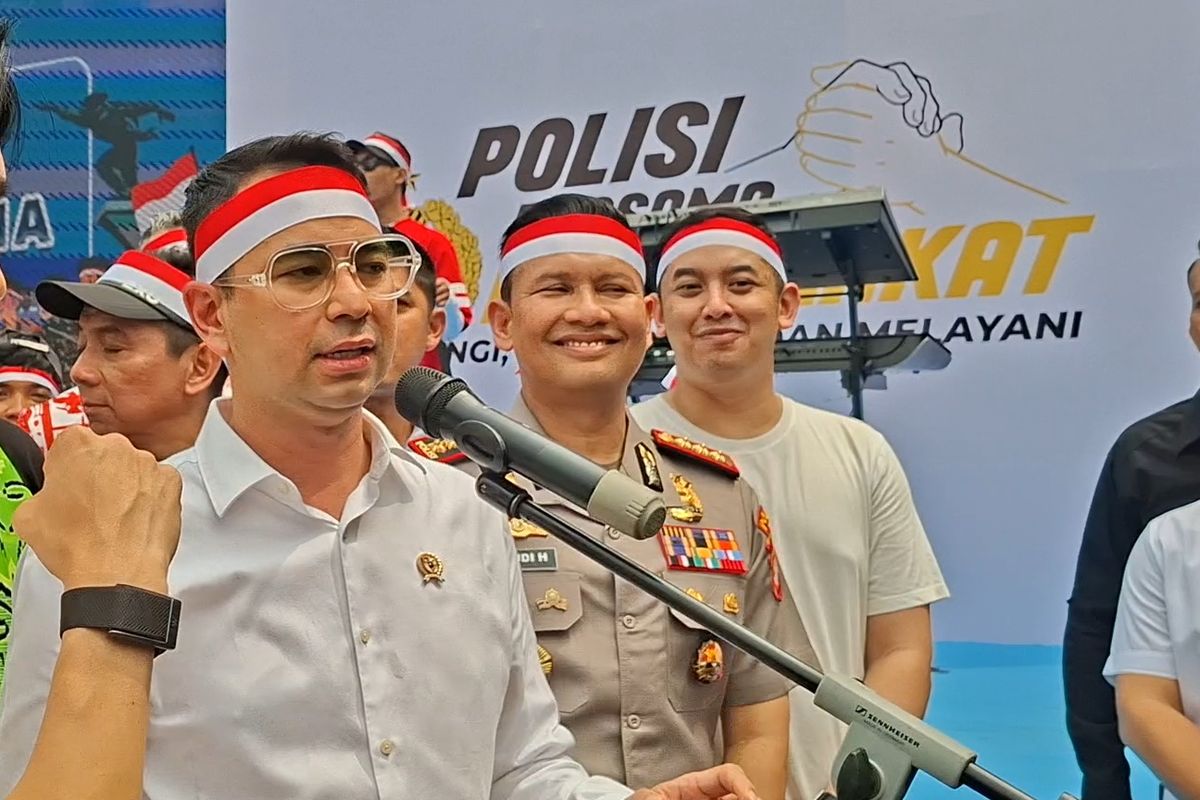
His name was also mentioned in court proceedings regarding import cases in the Customs sector, which he also denied being involved in.
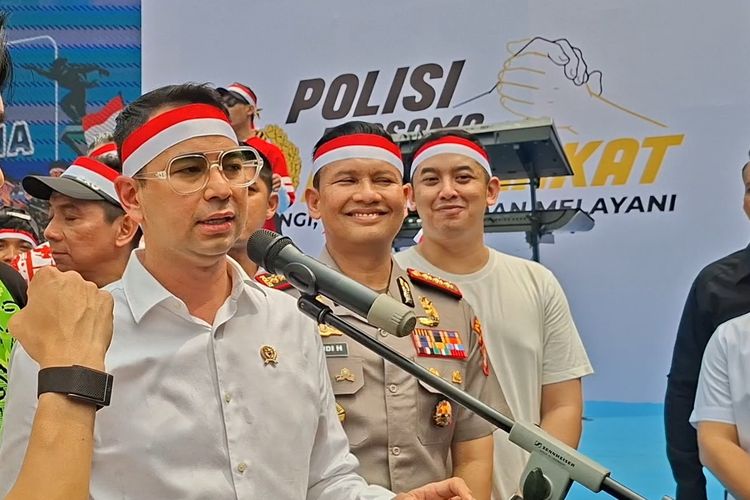
This pattern keeps repeating. Each time Raffi's closeness to power increases, public suspicions grow, while the available responses are merely personal clarifications rather than a convincing institutional mechanism.
Lawrence Lessig refers to this phenomenon as institutional corruption. In Republic, Lost (2011), he demonstrates that the greatest harm to democracy often occurs not through illegal bribery, but through legal dependencies that erode trust.
Institutions may operate within the rules, but the public no longer believes in whom those institutions serve.
This gap has been visible since the beginning. In 2024, the KPK stated there are no hard prohibitions for officials like Raffi to receive endorsements, and the issue pertains more to ethics (Kompas.com, 13/11/2024).
Ethics, left entirely to the individual, without regulatory barriers, ultimately rests on each official’s sensitivity.
Defenders of this contract have arguments that aren’t entirely incorrect. Ministries indeed need to reach young citizens who rarely read press releases, and popular figures offer an unmatched outreach.
RANS claims this collaboration produced over 150 pieces of content with tens of millions of views.
However, outreach is not the only metric. A more fundamental question remains: should that outreach be purchased from a company owned by state officials, without competitors, at uniform prices that are difficult to explain?
The biggest loss from this practice is not always recorded as state loss. First, there is the opportunity cost. 14.7 billion IDR is approximately equivalent to the annual wages for 360 workers, with an average salary of 3.39 million IDR per month (BPS, 2026).
Such funds are spent at a time when other ministries are asked to cut budgets and village funds are dwindling.
This does not even account for training for vocational school graduates or support for small creative economy players that have never seen communication budgets.
Second, there’s the job opportunity issue. BPS records show 7.38 million unemployed as of August 2026, while the share of informal workers has risen to 57.93 percent (BPS, 2026).
Among them are thousands of young creators, small production houses, and regional artists living project to project.
When procurement specifications mention specific channels and accounts, they don’t even get a chance to compete.