
Hearing of Silmy Karim Reveals 'Angel' Code in Immigration Fee Practices
-
News
-
3 minutes ago
This article was translated by AI. Read the original article on Kompas.com. See Original
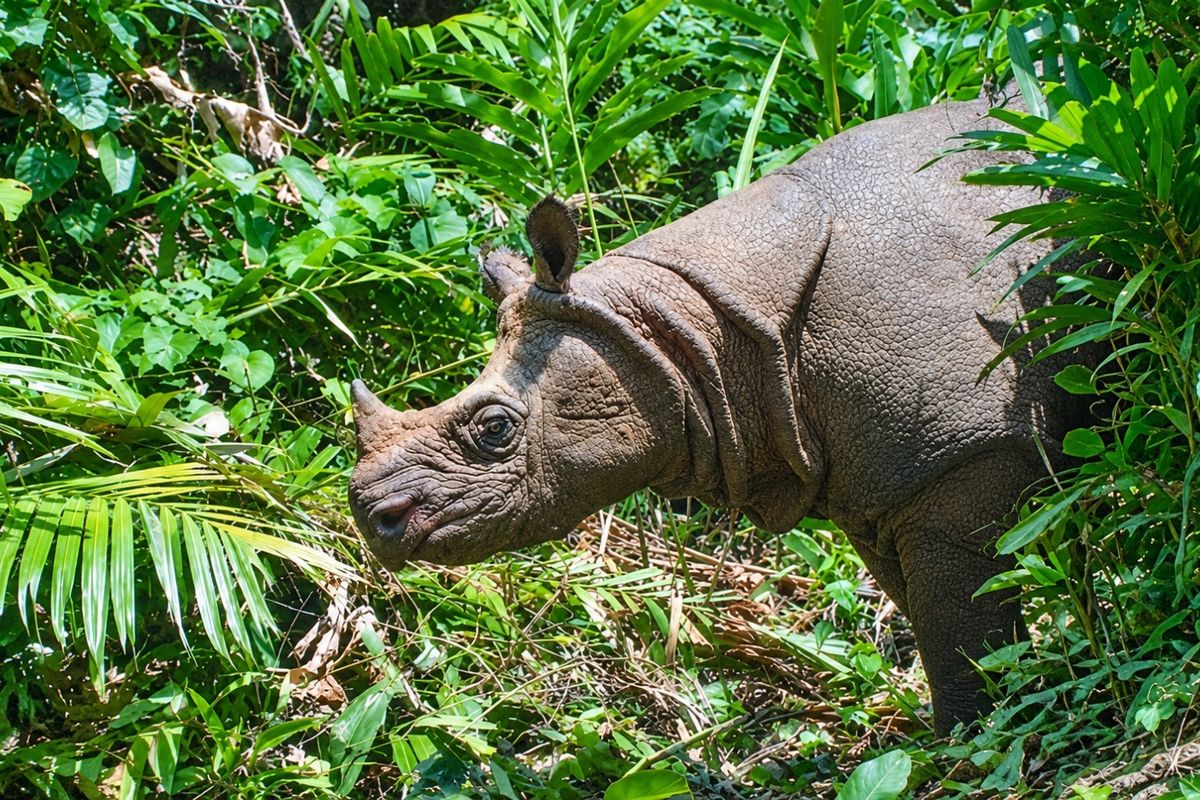
As a result, the minimum viable population is not met.
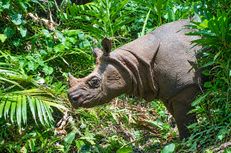
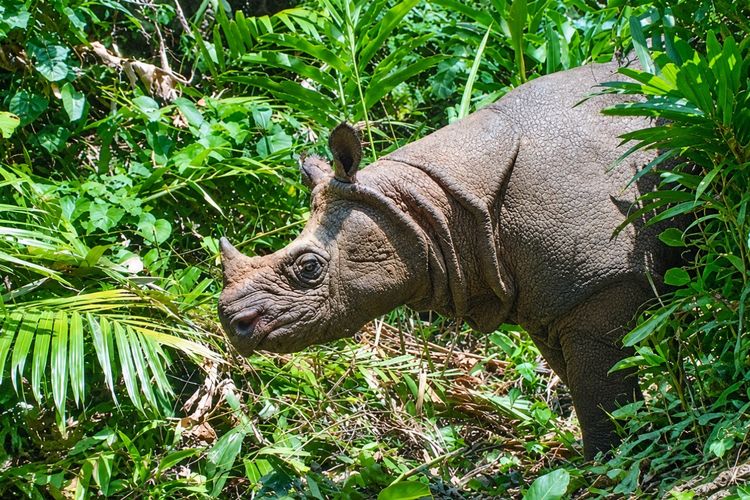
Currently, their numbers never exceed 100 to 150 individuals in their conservation area.
"This is the problem. When the population is too small, there arises the possibility of inbreeding, which can lead to inbreeding depression, resulting in deformities and other issues," Ali explained.
Additionally, one of the habitat issues in Ujung Kulon is the dominance of the langkap plant (Arenga obtusifolia), which can inhibit the growth of rhino food vegetation and reduce food availability.
Poaching has also been proven to occur in Ujung Kulon.
According to official information from the Ministry of Forestry's Press Release in June 2026, ten individual Javan rhinos have been confirmed as victims of poaching according to legal facts and judicial rulings.
Thus, conservation efforts cannot solely rely on relocating individuals.
"Strengthening the protection of the existing population in Ujung Kulon must remain a priority, through anti-poaching patrols, monitoring of populations and individual health, habitat management including controlling langkap, and efforts to maintain genetic diversity and sustainability of the population," Ali stated.
Ali elaborated that to tackle these issues, conservation efforts must focus on the root causes of population decline.
This approach not only aims to save threatened individual wildlife.
"This can be achieved by protecting and restoring habitats, strengthening patrols and enforcing laws, maintaining connectivity between habitat areas, and monitoring population health," Ali stated.
In order for all efforts to succeed, he emphasized the need for multi-stakeholder involvement, ranging from the government, private sector, to local communities.
In principle, preventing extinction is not just about protecting the animals; it is also about ensuring that habitats and environmental conditions that support their survival are maintained.
"In this way, the wildlife population (including Javan rhinos) can survive and reproduce naturally for extended periods," Ali asserted.
Furthermore, according to Yulinda, various issues must be addressed through audits and transparency.
She acknowledges that extinction may occur due to poor governance, such as budget limitations, inconsistent population data, and indications of individuals' involvement in poaching cases.
"The solution involves audits, data transparency, and consistent judicial rulings. In the case of horn trade, for instance, an intermediary was acquitted at the first level, and the prosecutor filed for cassation. Inconsistent rulings weaken the deterrent effect," she emphasized.
Next, establishing a second-wild population as part of a long-term conservation strategy should run alongside strengthening the protection of the existing population.
This means creating a new habitat cannot simply be construed as a complete relocation of the existing population.
The approach can be achieved through careful translocation accompanied by comprehensive studies.
"This effort cannot be executed hastily and requires meticulous planning involving stakeholders," she explained.
In the effort to establish a second wild population, the most fundamental consideration is ensuring that the Javan rhino population in their original habitat is safe and protected.
Conditions regarding population size, demographic structure, individual health, habitat quality, and prevailing threats need to be well understood and managed.
Additionally, the translocation of individuals should not increase risks to the sustainability of the remaining population.
The number and individuals forming the second wild population must also be carefully determined to avoid disrupting the remaining population in Ujung Kulon.
Furthermore, the target habitat must meet the ecological needs of Javan rhinos and have adequate protection, including food availability, water sources, wallows, and safety from poaching and human disturbance.
Scientifically based studies must also consider the potential for disease transmission from wildlife or livestock in surrounding areas, as well as possible competition with other wildlife for food and living space.
"Health checks for individuals, readiness of expert teams and veterinarians, safe capture and transport procedures, and intensive post-release monitoring are also critical requirements," Ali emphasized.
Similarly, Wanda Kuswanda, Senior Researcher at the Biota Research Center, National Research and Innovation Agency (BRIN), stated that developing a second habitat for the Javan rhino is important as part of long-term conservation strategies.
However, this urgency does not mean relocation must be rushed.
According to her, a comprehensive suitability assessment for the second potential habitat is necessary, covering bioecological aspects, potential threats, socio-economic factors, and considering the stress and potential mortality during the relocation of the Javan rhinos.
Therefore, comprehensive research is crucial to ensure the second habitat can meet the needs of the Javan rhino.