

Hearing of Silmy Karim Reveals 'Angel' Code in Immigration Fee Practices
-
News
-
3 minutes ago
This article was translated by AI. Read the original article on Kompas.com. See Original
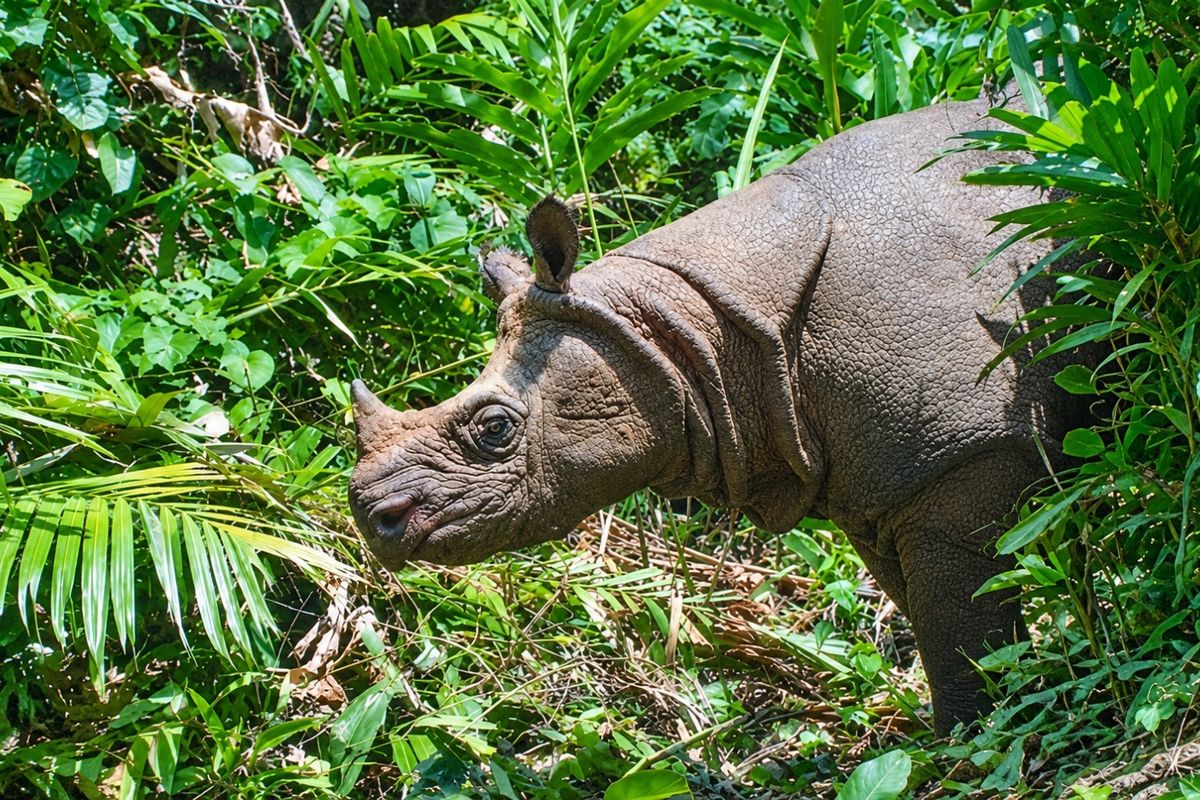
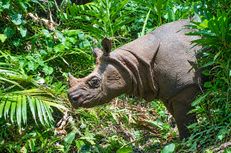
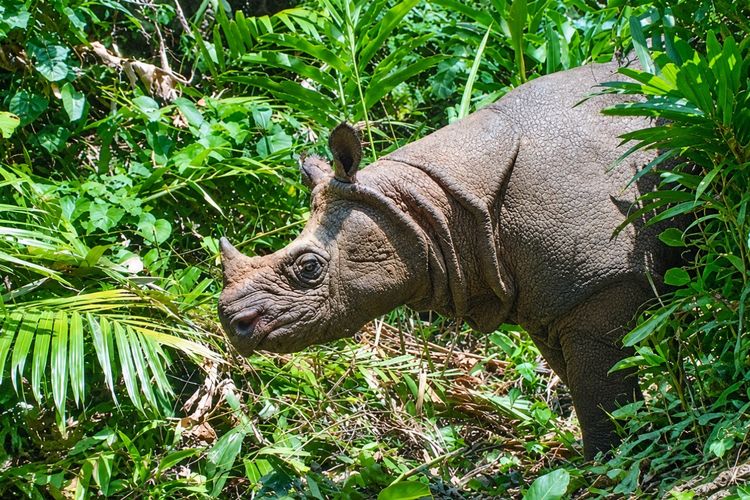
JAKARTA, KOMPAS.com - Concerns over the survival of the Javan rhino have often been linked to threats from natural disasters, such as eruptions from Mount Anak Krakatau and the subsequent tsunamis.
However, the risk of extinction for this endemic species from Indonesia is not solely due to natural factors.
Human activities and other factors also loom large.
So, what are these factors?
Academic and Environmental Law lecturer Yulinda Adharani from Padjadjaran University asserts that the root causes of wildlife extinction primarily stem from human actions.
She notes that nature has its own mechanisms for recovery after disasters.
This recovery does not apply when the issues are caused by humans.
"The pressures created by humans are what prevent the population from recovering," Yulinda stated when contacted by Kompas.com on Tuesday (17/11/2026).
Yulinda elaborated that one of the main human-related causes is illegal poaching and trade.
Specifically regarding the Javan rhino, poaching and trade are not merely theories.
Several cases have already made headlines.
"There have been judicial rulings that proved it: 26 rhinos were killed between 2019 and 2023 by two groups of poachers," Yulinda explained.
From a legal perspective, the instruments for prevention and enforcement are already stronger.
Law Number 32 of 2024 imposes a minimum prison sentence of three years for wildlife trade.
This law also extends to the actors behind these crimes, which may include corporations, instigators, and beneficiaries.
There are also additional penalties involving ecosystem restoration and wildlife rehabilitation.
"In my view, this should be combined with financial trail investigations, as the trade of rhino horns is an organized crime," Yulinda emphasized.
Another human action contributing to this crisis is the process of land conversion, which often occurs in forest areas.
This conversion leads to the loss and fragmentation of wildlife habitats.
Yulinda does not deny that many forests are being cleared for mining, plantations, or infrastructure.
Wildlife bears the brunt of these changes, losing their living space.
She suggests various methods to address this, including strengthening zoning regulations and environmental approvals that encompass Environmental Impact Assessments (AMDAL).
"We need to reinforce strict zoning laws, credible AMDAL processes that are not just formalities, as well as law enforcement within conservation areas," she explained.
The conflict maps between humans and wildlife also frequently appear in several regions.
Conflicts can arise when local communities feel that wildlife are merely a burden.
It is not surprising that communities with such views are unwilling to partner in conservation efforts.
"This necessitates mitigation, compensation, and genuine involvement of surrounding communities, rather than just asking them to safeguard wildlife," Yulinda stated.
On the other hand, the extinction of wildlife is also driven by competition with other animal species.
One species can be pressured by others, particularly invasive species, as well as diseases.
There is also the risk of inbreeding due to dwindling population sizes.
"For populations that are very small, just one outbreak can be fatal. Therefore, rigorous biosecurity and routine health monitoring of wildlife are necessary," Yulinda stated.
M. Ali Imron, Director of the Forests and Wildlife program at the World Wildlife Fund (WWF) Indonesia, remarked that the Javan rhino faces threats from population decline due to several factors.