
PDI-P Chairman: If Gibran Regrets, the Rice is Already Porridge
-
News
-
2 minutes ago
This article was translated by AI. Read the original article on Kompas.com. See Original
EVERY political organization will eventually face a test that will determine its future direction. This test does not always manifest in the form of electoral defeat or pressure from political opponents.
Sometimes, the challenge comes from within: when key figures leave the organization, when political relationships change, and when the foundational identity that has supported the party's journey begins to be questioned.
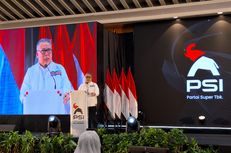
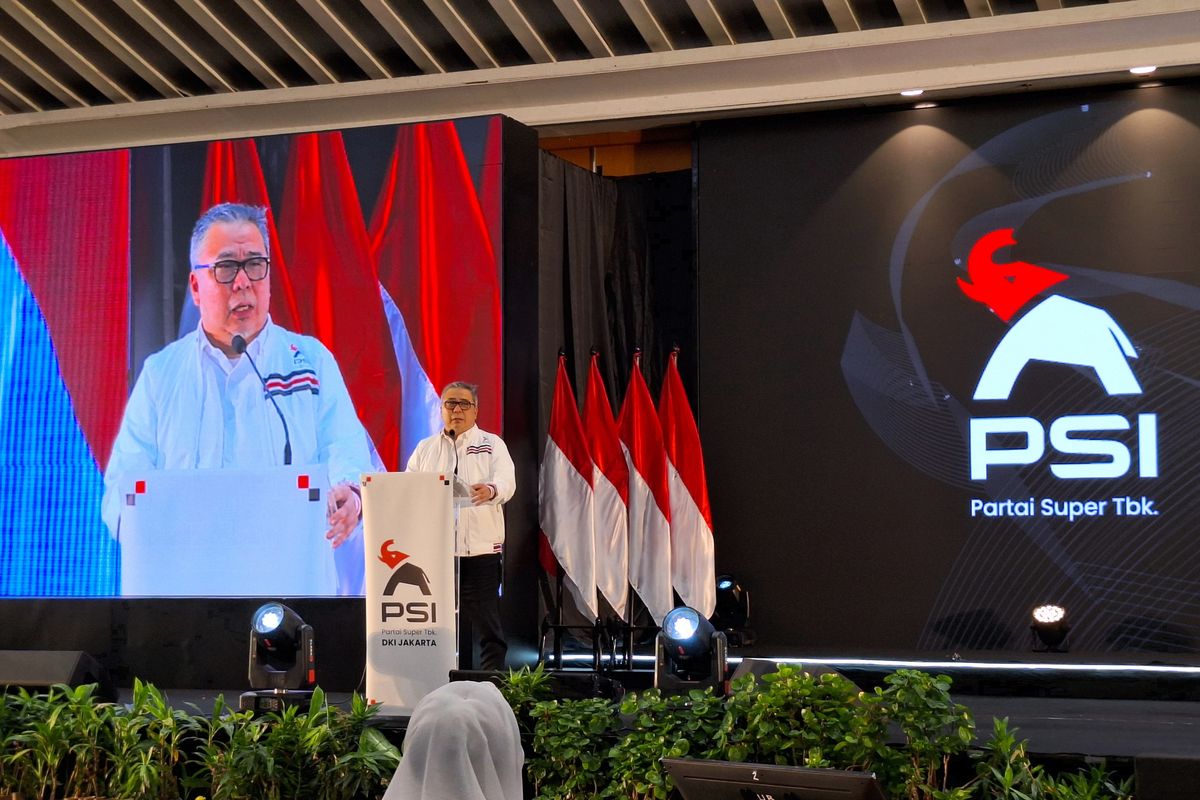
PSI is currently grappling with one of those moments. The decision of several central figures to resign from PSI is certainly not an ordinary event.
Instead of denying their past contributions and viewing their departures as a sign that the party's future is doomed with their exit, it would be far more valuable to treat this event as a moment for reflection.
This is where the political maturity of the organization is tested: can it transcend dependence on individuals, or will its identity and existence continue to be defined by who arrives and who departs?
A political party should be greater than the names that have previously elevated it.
It must possess ideas that transcend the popularity of individuals, an organization that goes beyond elite interests, and a political identity that does not easily shift merely because the power dynamics change.
Therefore, the most crucial question for PSI today is not merely why certain figures have chosen to leave the party.
A far more fundamental question is: what does PSI truly want to fight for, and how resilient is this organization in standing by its own political convictions?
In a constantly changing political landscape, PSI needs to forge a more mature relationship with the political forces around it.
The historical closeness with Jokowi is part of a political journey that does not need to be denied but should be reinforced through more meaningful institutionalization.
Jokowi's influence and contributions to PSI's journey remain a political reality that should be understood proportionally.
Similarly, its relationship with the Prabowo Subianto administration should not be built solely on a choice between unconditional support and consideration-free opposition.
The administration should be evaluated based on policies, performance, and their impacts on the community. Beneficial policies deserve support; problematic policies should be subject to criticism and correction.
In short, appreciating history does not mean tying the future to it.