
MPR Receives Letter from Prabowo Regarding Replacement Vice Presidential Candidate for Gibran
-
News
-
4 minutes ago
This article was translated by AI. Read the original article on Kompas.com. See Original
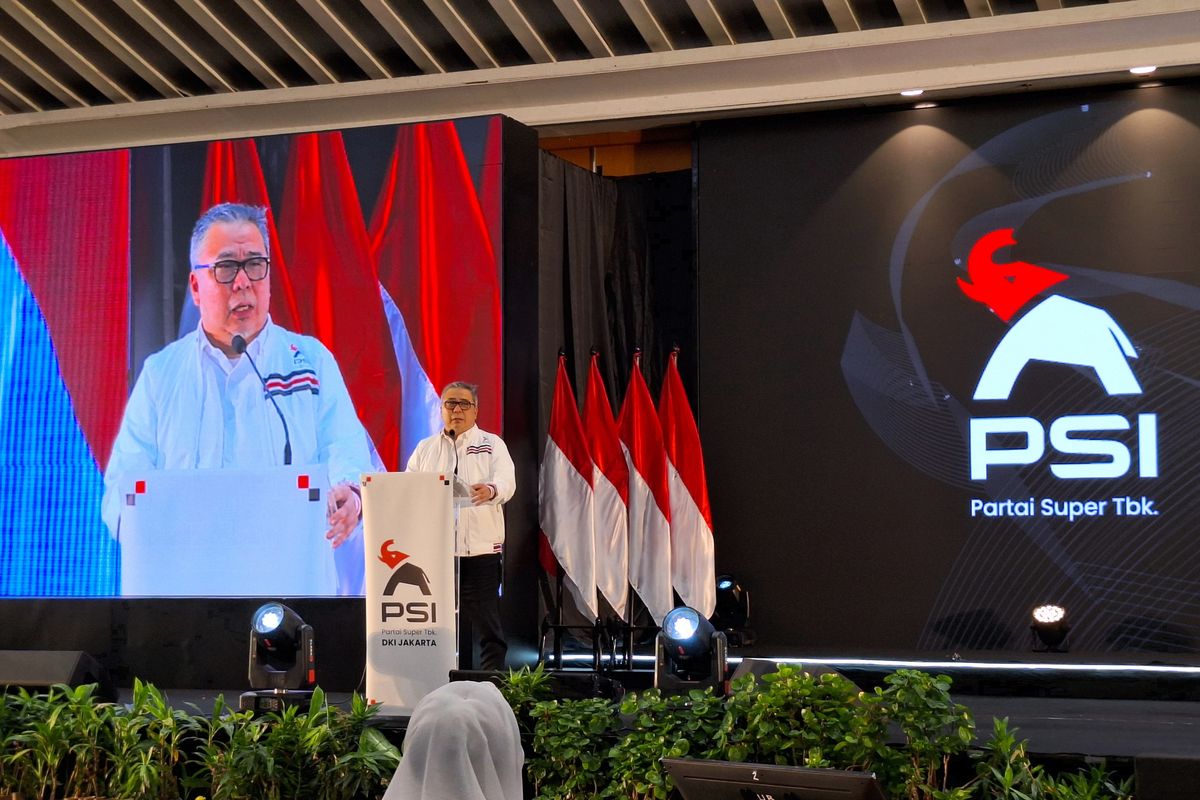
This is where the importance of party autonomy lies. Autonomy does not mean severing ties with figures who have been part of the organization’s history. Autonomy also does not imply automatically distancing from the government.
Autonomy is the ability to determine positions based on values, public interests, political considerations, and the organization’s own decisions.
Simply put: closeness does not replace identity. Support does not replace independence.
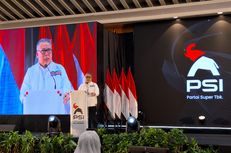
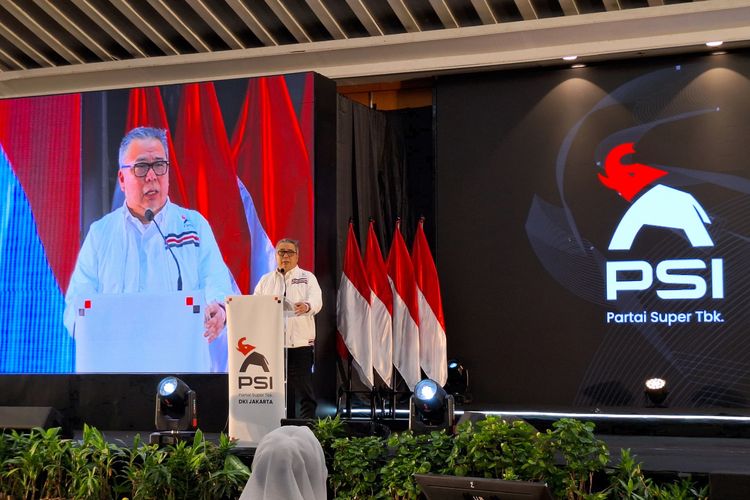
PSI needs to establish a political position that isn’t solely determined by cabinet positions, nor its relation to the Prabowo administration.
Strategic relationships can still be maintained but must be framed within the interests and political identity of PSI itself.
Thus, the party avoids being trapped in dependence on individual centrality while maintaining the ability to cooperate with various political forces.
PSI can be part of the government’s political process without losing its critical edge; it can support good policies without having to justify every government decision; and it can maintain historical ties without surrendering its organizational independence.
This is the difference between a party that merely exists within power configurations and a party that has its own political identity.
However, autonomy is not sufficient just as a political stance. It must be demonstrated through organizational improvements.
An independent party requires cadres who possess critical thinking, courage to act and express opinions, and the ability to take responsibility.
It needs a democratic leadership mechanism, open regeneration, and space that allows ideas and critiques to develop without always depending on the will of a select few elites.
If PSI wants to be a strong party, it must build strong cadres. If it wants to have an independent political identity, it should develop an organization capable of producing and evolving that identity.
And if it seeks public trust, it must show that democracy, openness, and accountability are not just slogans, but principles that are genuinely upheld.
The departure of key figures from the party should serve as a chance to pose fundamental questions: Has leadership regeneration been carried out adequately? Do cadres have equal opportunities to grow and take on roles?
Have strategic decisions been built through an open and accountable organizational process?